
Personalized Anti-Aging Treatments and Cosmetic Surgery
The Evolution of Anti-Aging Treatments in 2026
In 2026, many of us seek ways to refresh our appearance and reflect how we feel inside. Often, the first areas to show signs of aging are the forehead and brows. Sagging brows or deep forehead lines can make us look tired, worried, or even angry, even when we’re not. This can impact our confidence and how others perceive us.
Fortunately, modern cosmetic advancements offer effective solutions to rejuvenate the upper face. One such procedure, the brow lift, specifically targets these concerns, aiming to restore a more alert and youthful expression.
In this extensive guide, we will explore everything you need to know about the brow lift procedure. We’ll delve into who makes an ideal candidate, the various surgical techniques available, and what to expect during preparation and recovery. We will also compare brow lifts to other cosmetic options and address common questions about costs and choosing the right surgeon. Our goal is to provide you with comprehensive information to make informed decisions about personalized anti-aging treatments and enhance your natural beauty.
The landscape of aesthetic medicine has undergone a remarkable transformation by 2026, shifting towards more sophisticated, personalized, and natural-looking results. Gone are the days of a one-size-fits-all approach; today, the focus is on understanding individual facial anatomy, skin quality, and desired outcomes to craft bespoke treatment plans. This evolution is driven by advancements in technology, deeper scientific understanding of the aging process, and a growing demand for subtle rejuvenation that enhances, rather than alters, one’s inherent features.
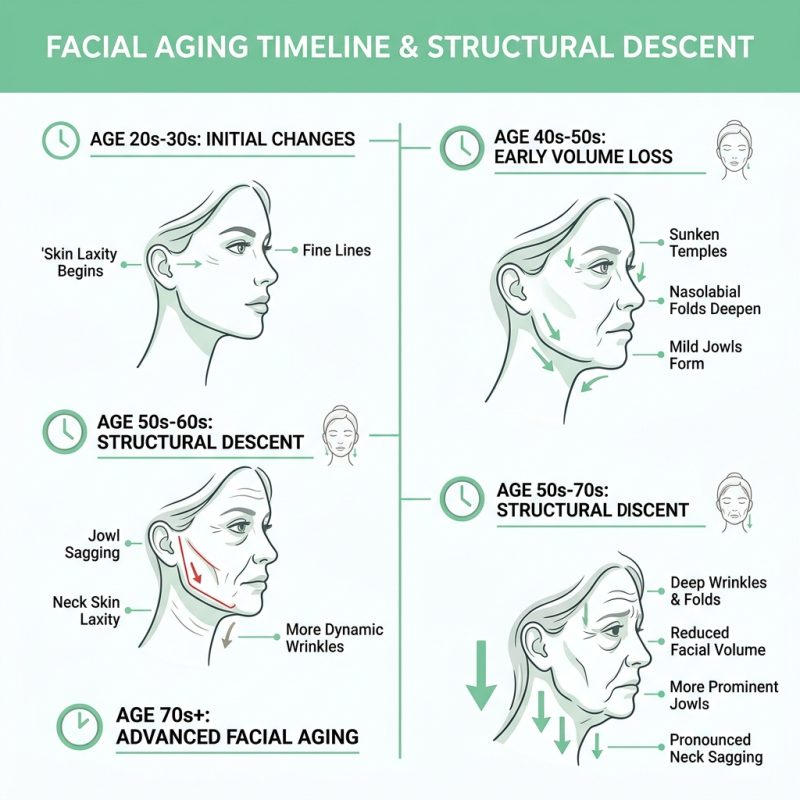
We now have a comprehensive toolkit that addresses various facets of aging, including skin laxity and volume loss, dynamic wrinkles, and structural descent. Regenerative medicine, which focuses on stimulating the body’s natural healing and collagen production, is increasingly significant. The goal is not just to turn back the clock, but to optimize facial symmetry and maintain skin elasticity, ensuring results that harmonize with the rest of the face and body. This holistic perspective ensures that patients achieve a refreshed and youthful appearance that feels authentic to them.
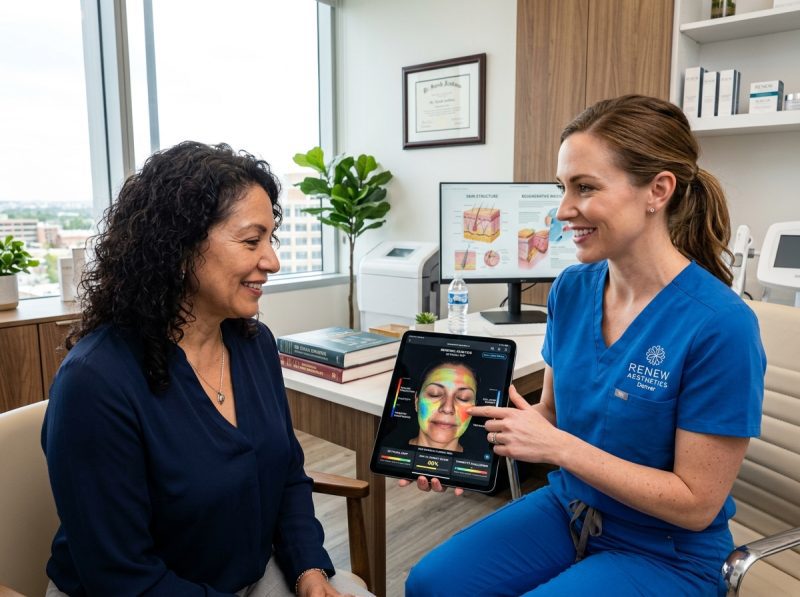
The journey of facial aging is complex, involving changes in the skin, soft tissues, muscles, and bones. Understanding this progression is key to effective anti-aging strategies.
Identifying Candidates for Modern Anti-Aging Treatments
Determining who is an ideal candidate for anti-aging treatments, particularly surgical interventions like a brow lift, involves a thorough assessment of several factors. Our approach prioritizes patient safety, realistic expectations, and the likelihood of achieving satisfactory results.
An ideal candidate for a brow lift typically exhibits signs of aging in the upper face that contribute to a tired, angry, or sad appearance. These often include:
- Brow Ptosis: A drooping or sagging of the eyebrows, which can sometimes create a hooded appearance over the upper eyelids.
- Deep Forehead Wrinkles: Horizontal lines across the forehead that persist even when the face is at rest.
- Frown Lines (Glabellar Furrows): Vertical lines between the eyebrows that can make one look perpetually stern or worried.
- Asymmetry: Unevenness in brow height or shape.
Beyond these aesthetic concerns, we look for individuals who are in good overall physical and psychological health. This includes having no serious medical conditions that could impair healing or increase surgical risks. It’s also crucial for candidates to be non-smokers or willing to quit well in advance of the procedure, as smoking can significantly compromise healing.
Perhaps most importantly, ideal candidates possess realistic expectations about what a brow lift can achieve. While the procedure can offer dramatic rejuvenation, it’s not a magic wand. We ensure patients understand the potential outcomes, limitations, and the natural progression of aging that will continue after surgery.
Here are some traits we often look for in ideal candidates for surgical brow intervention:
- Good General Health: Free from chronic illnesses that could complicate surgery or recovery.
- Non-Smoker: Or willing to cease smoking for a specified period before and after surgery.
- Realistic Expectations: Understanding the benefits and limitations of the procedure.
- Stable Weight: Significant weight fluctuations can affect facial aesthetics.
- Positive Outlook: A healthy mental state and clear motivations for surgery.
- Visible Signs of Aging: Such as brow ptosis, deep forehead lines, or frown lines.
- No active skin infections or other dermatological conditions in the treatment area.
It’s worth noting that while women predominantly seek brow lifts, men also benefit significantly from the procedure. Historically, men account for less than 10% of all brow lift procedures in the U.S., but this trend is slowly evolving as more men seek facial rejuvenation. Annually, over 88,000 brow lift procedures are performed in the United States, reflecting its established efficacy and popularity.
Integrating Non-Surgical Anti-Aging Treatments
While surgical options like brow lifts offer profound, long-lasting results, non-surgical anti-aging treatments play a vital role in a comprehensive rejuvenation plan. These less invasive alternatives are often used to complement surgical outcomes, delay the need for surgery, or provide temporary improvements for those not ready for or interested in a surgical procedure.
Neurotoxins, such as Botox, are highly effective for addressing dynamic wrinkles caused by muscle movement. They work by temporarily relaxing the muscles responsible for frown lines, forehead furrows, and crow’s feet, creating a smoother appearance. While they can offer a subtle “brow lift” effect by relaxing depressor muscles, their impact on true brow ptosis (sagging due to skin and tissue laxity) is limited and temporary, typically lasting three to four months.
Dermal fillers, on the other hand, are used to restore lost volume, smooth static wrinkles, and enhance facial contours. They can be strategically placed to add subtle lift to the temples or directly beneath the brows, providing a temporary elevation. However, like neurotoxins, fillers do not address significant skin laxity or reposition underlying tissues as a surgical brow lift does.
Skin resurfacing treatments, including chemical peels, laser resurfacing, and microneedling, focus on improving skin texture, tone, and superficial wrinkles. While they contribute to overall facial rejuvenation, they do not provide the structural lift achieved by a brow lift.
The key distinction lies in their mechanism and longevity. Non-surgical options offer temporary solutions that require regular maintenance treatments to sustain results. They are excellent for addressing early signs of aging, fine lines, and minor volume loss. However, for moderate to severe brow ptosis, significant forehead wrinkles, and a desire for more enduring correction, a surgical brow lift remains the gold standard. We often integrate these non-surgical treatments into a patient’s long-term maintenance plan following surgery, ensuring the longevity and freshness of their results.
The Role of the Brow Lift Procedure in Facial Harmony
The brow lift, also known as a forehead lift, is a powerful cosmetic procedure that rejuvenates the upper third of the face. Its primary goal is to address the visible signs of aging that accumulate around the forehead and eyebrows, which can significantly impact overall facial harmony and expression.
As we age, gravity, sun exposure, and repetitive muscle movements contribute to brow descent, the formation of horizontal forehead wrinkles, and the deepening of frown lines between the eyebrows. This can lead to a perpetually tired, angry, or worried appearance, even when a person feels rested and content. A brow lift specifically targets these concerns by:
- Repositioning Eyebrows: Lifting sagging eyebrows to a more youthful and alert position, which can also alleviate the hooded appearance of the upper eyelids.
- Smoothing Frown Lines: Reducing or eliminating the vertical lines (glabellar furrows) between the eyebrows.
- Softening Forehead Wrinkles: Diminishing the horizontal lines across the forehead.
- Opening the Eye Area: By elevating the brow, the procedure can make the eyes appear more open and refreshed, often reducing the need for or complementing an upper blepharoplasty (eyelid surgery).
The impact of a brow lift extends beyond mere wrinkle reduction; it also contributes significantly to softening facial expressions. By restoring the brows to a natural, elevated position, the procedure can transform a stern or weary look into one of warmth, approachability, and vitality. This subtle yet profound change can greatly enhance a person’s self-confidence and how others perceive them. For those seeking a comprehensive approach to facial rejuvenation, a Personalized anti-aging brow lift can be a cornerstone of their treatment plan, offering tailored solutions to meet individual aesthetic goals.
Surgical Techniques and Procedural Steps
The brow lift procedure encompasses several distinct surgical techniques, each designed to address specific patient needs, anatomical considerations, and desired outcomes. The choice of technique depends on factors such as the degree of brow ptosis, the patient’s hairline, the presence of forehead wrinkles, and the desired amount of lift.
Here’s a comparison of common brow lift techniques:
Feature Endoscopic Brow Lift Coronal Brow Lift (Traditional) Temporal Brow Lift (Limited Incision) Direct Brow Lift Incision 3-5 small incisions (¾” to 1.5 cm) within the hairline Long incision from ear to ear, behind the hairline 1-inch incisions in the temple region, within the hairline Incision directly above the eyebrow, along its upper border Visibility Minimal scarring, hidden within the hairline Scar hidden within the hairline, but longer Small scars hidden in the hairline Scar directly above the eyebrow, potentially visible Approach Minimally invasive, uses an endoscope Open surgery, direct visualization Limited open surgery Open surgery, direct removal of skin Target Area Entire forehead and brow Entire forehead and brow Outer (lateral) third of the brow Specific area of brow ptosis, often to correct asymmetry Hairline Impact Can slightly raise the hairline Can significantly raise the hairline Minimal impact No impact on hairline Recovery Generally faster (1 week to return to work) Longer (2 weeks to return to work) Faster, minimal downtime Quick, but scar management is key Anesthesia IV sedation or general anesthesia General anesthesia Local anesthesia with sedation or general Local anesthesia with sedation or general Best For Moderate brow ptosis, forehead wrinkles Significant brow ptosis, deep wrinkles, excess scalp skin Mild lateral brow droop, subtle lift Heavy brows, specific asymmetry, older men with deep wrinkles Regardless of the chosen technique, the general steps of a brow lift procedure follow a similar pattern:
- Anesthesia: The procedure begins with administering anesthesia to ensure patient comfort. This can range from intravenous (IV) sedation, in which the patient is relaxed but conscious, to general anesthesia, in which the patient is completely asleep. The choice depends on the complexity of the procedure and the patient’s preference and health.
- Incisions: The surgeon makes incisions according to the selected technique. For an endoscopic brow lift, these are small, typically ¾ to 1.5 cm in length, strategically placed within the hairline. For a coronal lift, a longer incision is made from ear to ear, hidden behind the hairline. A direct brow lift involves an incision just above the eyebrow.
- Tissue Repositioning and Muscle Adjustment: Through these incisions, the surgeon carefully lifts the forehead skin and underlying tissues. Excess skin may be removed, and the muscles responsible for frown lines and forehead wrinkles (such as the corrugator and procerus muscles) are often modified, released, or partially removed to achieve a smoother, more relaxed appearance. The brow is then carefully repositioned to a more elevated and youthful contour.
- Fixation: Once the brow is in its desired position, it needs to be secured. This can be done using various methods, including internal sutures, small temporary screws placed in the bone (which are later removed or dissolve), or bioabsorbable fixation devices. These help maintain the new brow elevation as the tissues heal.
- Incision Closure: Finally, the incisions are meticulously closed. This is typically done with sutures, which may be absorbable or require removal in about 7 to 10 days. Skin adhesives or special clips can also be used, particularly in areas where hair growth will conceal the closure. The goal is always to minimize visible scarring, often by placing incisions within the hair-bearing scalp or natural skin creases.
Precision in Anti-Aging Treatments: The Endoscopic Approach
By 2026, the endoscopic brow lift technique had gained significant popularity due to its minimally invasive nature and excellent results. This technique represents the pinnacle of precision in anti-aging treatments, offering significant rejuvenation with reduced downtime and less visible scarring than traditional methods.
The endoscopic brow lift uses a small camera (endoscope) and specialized surgical instruments inserted through several small incisions, typically three to five, hidden within the hairline. These incisions are usually only about ¾ inch to 1.5 cm long, making them virtually imperceptible once healed.
The endoscope provides the surgeon with a magnified, high-definition view of the underlying tissues, muscles, and nerves on a monitor. This allows for extremely precise manipulation of the forehead structures. Working in a subperiosteal plane (beneath the periosteum, the membrane covering the bone), the surgeon can carefully release and reposition the forehead skin and brow. The muscles that cause frown lines and horizontal forehead wrinkles are either weakened or partially removed, contributing to a smoother, more relaxed appearance.
A key advantage of the endoscopic technique is its ability to ensure nerve protection. With direct visualization, the surgeon can meticulously identify and avoid critical nerves, such as the frontal branch of the facial nerve, which controls eyebrow movement. This significantly reduces the risk of nerve damage and temporary or permanent numbness.
The benefits of this precision extend to the patient’s recovery. The smaller incisions mean less tissue disruption, which translates to:
- Minimal Scarring: Scars are tiny and well-hidden within the hairline.
- Reduced Swelling and Bruising: Less trauma to the tissues generally results in less post-operative swelling and bruising.
- Rapid Healing: Patients often experience a quicker recovery compared to more invasive open techniques. Many can return to work within about a week.
By carefully lifting and securing the brow in its new, elevated position, the endoscopic approach achieves a natural-looking rejuvenation that avoids the “surprised” or “over-pulled” appearance sometimes associated with older, more aggressive techniques. This method epitomizes the modern aesthetic philosophy: achieving significant improvement with minimal intervention and maximum precision.
Navigating Recovery and Maintaining Results
Undergoing a brow lift is a significant step towards facial rejuvenation, and understanding the recovery process is crucial to achieving a smooth, successful outcome. While individual healing varies, we can outline a typical recovery timeline and what patients can generally expect post-surgery.
Immediate Post-Operative Period (Day 1-3): Immediately after surgery, patients may experience swelling, bruising, and mild discomfort in the forehead and around the eyes. Pain medication will be prescribed to manage any discomfort. A light dressing or bandage may be applied to the forehead to minimize swelling and provide support. It’s essential to keep the head elevated, even while sleeping, for at least the first few days to help reduce swelling. Cold compresses applied to the sides of the face (avoiding direct pressure on the forehead incisions) can also be beneficial.
First Week: During the first week, swelling and bruising will be most noticeable and will gradually subside. Sutures or clips, if non-absorbable, are typically removed around 7 to 10 days after surgery. Most patients feel comfortable returning to work or resuming light daily activities approximately one week after the procedure. However, some residual bruising may still be present and can often be camouflaged with makeup. Patients typically return to work about 1 week after brow lift surgery. Strenuous activities, heavy lifting, and vigorous exercise should be strictly avoided during this period.
Weeks 2-4: By the second to fourth week, the majority of swelling and bruising will have resolved. The forehead and scalp may feel tight or numb, and some patients might experience itching as nerves begin to heal. Most normal activities can be gradually resumed, but high-impact exercise should still be approached with caution.
Months 1-6: Full healing is a gradual process. While initial results are visible within weeks, the final aesthetic outcome may take up to six months to fully manifest as all swelling dissipates and tissues settle. Numbness or altered sensation in the scalp typically resolves over several months.
Longevity of Results and Maintenance: The results of a brow lift are generally long-lasting, often providing a rejuvenated appearance for many years. However, the aging process continues. Factors such as genetics, sun exposure, lifestyle choices, and skin care can influence how long the results remain optimal.
To maintain and prolong the benefits of a brow lift, we recommend:
- Sun Protection: Consistent use of high-SPF sunscreen and protective headwear is crucial to prevent sun damage, which can accelerate skin aging and compromise results.
- Healthy Lifestyle: A balanced diet, regular exercise, adequate hydration, and avoiding smoking contribute significantly to skin health and overall well-being.
- Skincare Regimen: Utilizing medical-grade skincare products, including retinoids, antioxidants, and moisturizers, can support skin elasticity and health.
- Follow-Up Care: Regular follow-up appointments with your surgeon are important for monitoring healing and for discussing any concerns.
- Non-Surgical Treatments: Integrating non-surgical treatments like neurotoxins (Botox) or fillers can help manage new wrinkles or volume loss that may appear over time, further extending the refreshed look.
By adhering to these guidelines, patients can enjoy the youthful, alert appearance achieved by their brow lift for a significantly longer period.
Comparing Surgical Lifts to Non-Surgical Alternatives
When considering facial rejuvenation, understand the distinct roles of various procedures. While a brow lift specifically targets the upper face, other surgical and non-surgical options address different areas and concerns. Differentiating between them helps in making an informed decision tailored to individual needs.
Brow Lift vs. Blepharoplasty (Eyelid Surgery): This is one of the most common distinctions patients need clarification on.
- Brow Lift: Focuses on raising the eyebrows and smoothing the forehead. It addresses sagging brows that can create a heavy, hooded appearance over the upper eyelids. By lifting the brow, it can indirectly improve the appearance of the upper eyelids.
- Blepharoplasty: Specifically targets excess skin, fat, and muscle on the eyelids themselves. An upper blepharoplasty removes sagging skin from the upper eyelids, while a lower blepharoplasty addresses under-eye bags and puffiness. Often, these two procedures are combined for comprehensive upper facial rejuvenation, as drooping brows can exacerbate eyelid hooding, and vice versa.
Brow Lift vs. Facelift:
- Brow Lift: Concentrates solely on the upper third of the face – the forehead and eyebrows.
- Facelift: Addresses the middle and lower thirds of the face, targeting sagging cheeks, jowls, and loose skin in the neck. While both are surgical lifting procedures, they target different areas of concern. A brow lift will not improve jowls, nor will a facelift significantly lift a drooping brow. Patients often choose to undergo both procedures, sometimes simultaneously, for a harmonious full-face rejuvenation.
Brow Lift vs. Non-Surgical Options (Botox, Fillers, Thread Lifts): As discussed, non-surgical options offer temporary improvements but do not provide the structural lifting or longevity of a surgical brow lift.
- Botox: Primarily relaxes muscles to reduce dynamic wrinkles and can offer a very subtle brow elevation by relaxing brow depressors.
- Dermal Fillers: Can add volume to temples or under the brow for a minor lift, but mainly address volume loss and static wrinkles.
- Thread Lifts: Involve inserting dissolvable, barbed threads beneath the skin to lift physically and reposition tissues. While less invasive than surgery, thread lifts offer more modest, temporary results than a surgical brow lift, typically lasting 1-2 years. They are suitable for mild sagging and stimulating collagen production.
Here’s a list of benefits for surgical vs. non-surgical approaches:
Benefits of Surgical Approaches (e.g., Brow Lift):
- Significant and Lasting Results: Provides a more dramatic and durable correction of sagging brows and deep wrinkles.
- Structural Lifting: Repositions underlying tissues and muscles to address the root cause of ptosis.
- Comprehensive Correction: Can remove excess skin and modify muscles for a smoother, more youthful contour.
- One-Time Procedure: While aging continues, the results are typically long-lasting, reducing the need for frequent maintenance.
- Addresses Moderate to Severe Aging: More effective for pronounced brow ptosis and deep rhytids.
Benefits of Non-Surgical Approaches (e.g., Botox, Fillers, Thread Lifts):
- Minimally Invasive: No incisions, general anesthesia, or extensive downtime.
- Temporary and Reversible (some options): Allows for adjustments or changes if desired.
- Lower Initial Cost: Generally less expensive per treatment session.
- Quick Procedure: Often performed in-office with minimal preparation.
- Addresses Early Signs of Aging: Ideal for fine lines, minor volume loss, and subtle enhancements.
- Complements Surgical Results: Can be used to maintain and enhance the effects of surgery over time.
The choice between surgical and non-surgical options depends on the extent of aging, desired outcome, recovery tolerance, and long-term commitment. For significant structural changes and lasting rejuvenation of the upper face, a surgical brow lift often provides the most comprehensive and satisfying results.
Frequently Asked Questions about Forehead Rejuvenation
What is the average cost of a brow lift, and does insurance cover it?
The cost of a brow lift procedure can vary significantly based on several factors, including the surgeon’s fees, anesthesia costs, facility fees, and the specific technique used (e.g., endoscopic vs. coronal). In the U.S., the average cost of a brow lift typically ranges from $3,000 to $10,000. However, this is an average, and the total price can sometimes exceed $2,000+. We always recommend a personalized consultation to receive an accurate quote tailored to your specific needs.
Regarding insurance coverage, brow lifts are generally considered elective cosmetic procedures. As such, they are typically not covered by health insurance. However, if the brow ptosis is severe enough to cause functional impairment, such as obstructing your field of vision, a portion of the procedure might be covered. This is rare and requires thorough documentation and pre-authorization from your insurance provider. Most patients should plan to cover the cost out of pocket.
How do I choose a qualified surgeon, and what should I ask during a consultation?
Choosing the right surgeon is paramount for a successful and safe brow lift procedure. We emphasize selecting a board-certified plastic surgeon or facial plastic surgeon with experience in facial rejuvenation. Look for a surgeon who:
- Is certified by the American Board of Plastic Surgery or the American Board of Facial Plastic and Reconstructive Surgery.
- Specializes in facial procedures and has a deep understanding of facial anatomy.
- Can provide before-and-after photos of their previous brow lift patients, demonstrating consistent, natural-looking results.
- Operates in an accredited surgical facility.
During your consultation, don’t hesitate to ask detailed questions. We encourage patients to inquire about:
- Surgeon’s Experience: How many brow lift procedures have they performed? Which techniques do they prefer and why?
- Procedure Details: What specific technique do they recommend for you and why? Where will incisions be placed? What type of anesthesia will be used?
- Expected Results: What can you realistically expect in terms of outcome? Will the results look natural?
- Risks and Complications: A thorough explanation of all potential risks and how they are managed.
- Recovery Process: A detailed breakdown of the recovery timeline, post-operative care, and activity restrictions.
- Cost Breakdown: A clear, itemized estimate of all fees involved.
- Patient Testimonials: Ask if you can speak with previous patients or see more before-and-after photos.
A good surgeon will take the time to listen to your concerns, assess your facial anatomy, and provide clear, honest answers, ensuring you feel comfortable and confident in your decision.
What are the potential risks, complications, and side effects of the procedure?
Like any surgical procedure, a brow lift carries potential risks, complications, and side effects. While serious complications are rare, it’s crucial to be aware of them:
- Bleeding and Hematoma: Accumulation of blood under the skin, which may require drainage.
- Infection: Though uncommon, infection can occur at the incision sites.
- Scarring: While surgeons meticulously place incisions to minimize visibility, some scarring is inevitable. In rare cases, scars can be more prominent.
- Nerve Damage: Temporary or, very rarely, permanent numbness or weakness in the forehead or scalp. This can affect eyebrow movement.
- Asymmetry: Slight unevenness in brow position or shape, which may require revision surgery or be managed with injectables like Botox.
- Hair Problems: Temporary hair loss around incision sites (alopecia) is possible, and in rare cases, can be permanent. A traditional coronal lift can also raise the hairline.
- Skin Sensation Changes: Numbness, tingling, or increased sensitivity in the forehead or scalp, which usually resolves over time.
- Anesthesia Risks: Adverse reactions to anesthesia, though rare, can occur.
- Unsatisfactory Aesthetic Outcome: Despite careful planning, some patients may not be fully satisfied with the results, potentially requiring revision surgery.
We take every precaution to minimize these risks through careful patient selection, meticulous surgical technique, and comprehensive post-operative care. It’s vital to follow all pre- and post-operative instructions diligently and report any unusual symptoms to your surgical team immediately.
Conclusion
In 2026, the pursuit of a refreshed and youthful appearance is more attainable and personalized than ever before. The brow lift procedure stands as a testament to the advancements in cosmetic surgery, offering a highly effective solution for rejuvenating the upper face and restoring facial harmony. By addressing sagging brows, deep forehead wrinkles, and frown lines, a brow lift can transform a tired, worried, or angry expression into one of alertness, warmth, and vitality.
We’ve explored the evolution of anti-aging treatments, the characteristics of an ideal candidate, and the nuanced differences between various surgical techniques, particularly highlighting the precision of the endoscopic approach. We’ve also drawn clear distinctions between surgical and non-surgical options, emphasizing that the most effective path is always a personalized one, tailored to your unique anatomy, aesthetic goals, and lifestyle.
Navigating the journey of facial rejuvenation requires careful consideration, informed decision-making, and, most importantly, partnering with a qualified and experienced surgeon. Prioritizing patient safety, understanding the recovery process, and committing to long-term maintenance are all crucial for achieving and preserving optimal results.
Whether through a comprehensive brow lift or a combination of treatments, our goal is to help you achieve holistic rejuvenation that not only enhances your aesthetic but also boosts your confidence and reflects the vibrant individual you are inside.
For more information and to discuss your personalized care plan, we encourage you to schedule a consultation.