
How Dental Implants Are Transforming Tooth Replacement
Key Takeaways
- Dental implants offer a durable and natural-looking solution for missing teeth.
- Advancements in technology have improved implant success rates and patient outcomes.
- Understanding the benefits and process of dental implants can help individuals make informed decisions about tooth replacement.
Introduction
Living with missing teeth can impact everything from daily chewing and speaking to self-image. Tooth loss also affects dental health and facial structure, prompting many to seek restorative solutions. While dentures and bridges have been used for decades, dental implants have emerged as a leading choice for those seeking a reliable and more natural-feeling option.
Unlike traditional removable dentures, dental implants offer a permanent solution that closely mimics the appearance and function of natural teeth. As this innovative method becomes more accessible, it continues to reshape modern restorative dentistry by offering significant improvements for most patients.
Understanding how dental implants work and their key advantages can help you feel more confident when weighing your tooth replacement options. This article provides a comprehensive overview, demystifying the process and highlighting important considerations.
Recent years have seen a dramatic increase in interest in advanced dental solutions. For anyone considering dental implants, knowing what makes them unique can help ensure a more informed choice.
The evolution of dental technology has changed not just the aesthetics of tooth replacement but also the comfort and longevity of results. For an in-depth perspective on advances in implant dentistry, refer to this detailed overview on WebMD.
What Are Dental Implants?
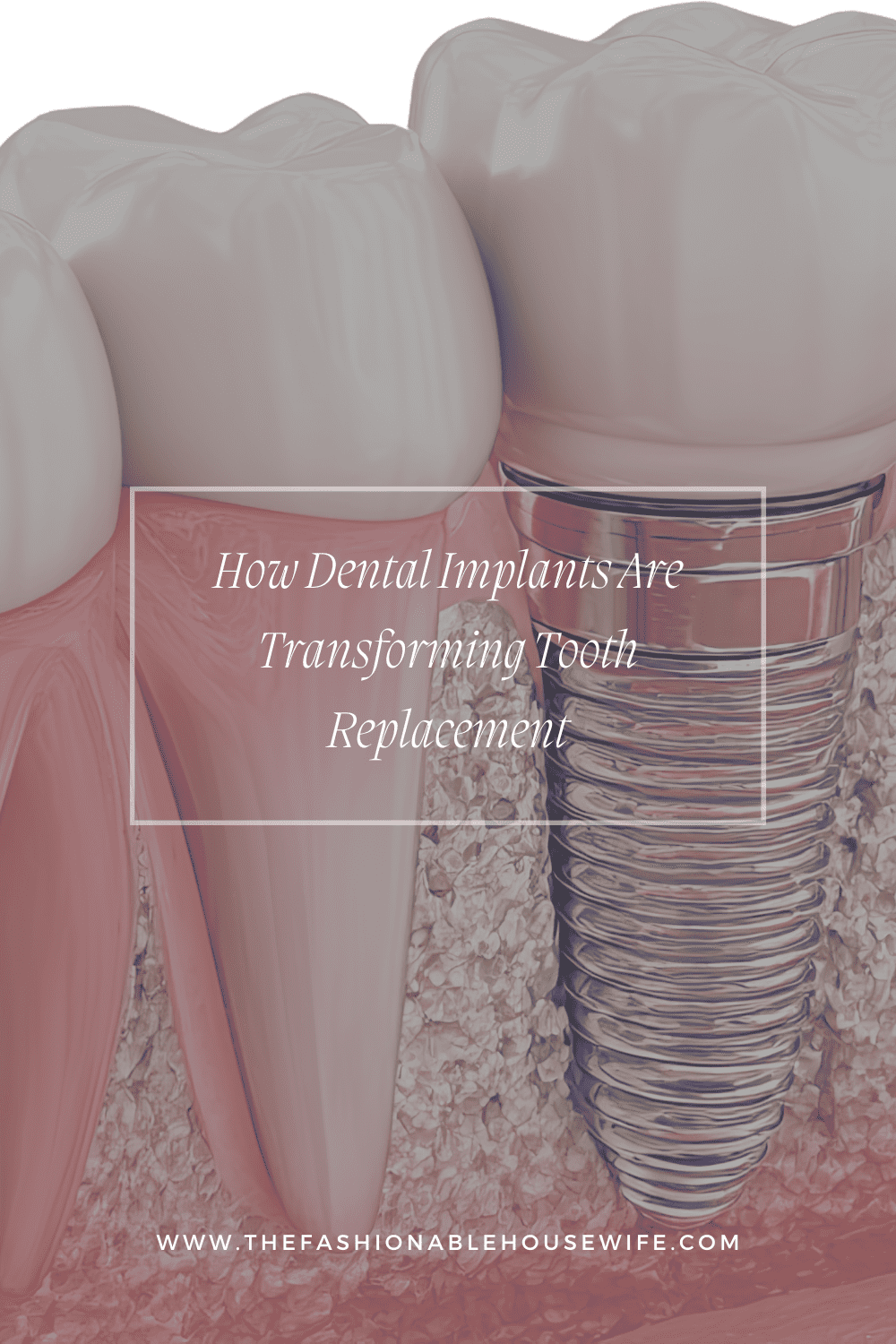
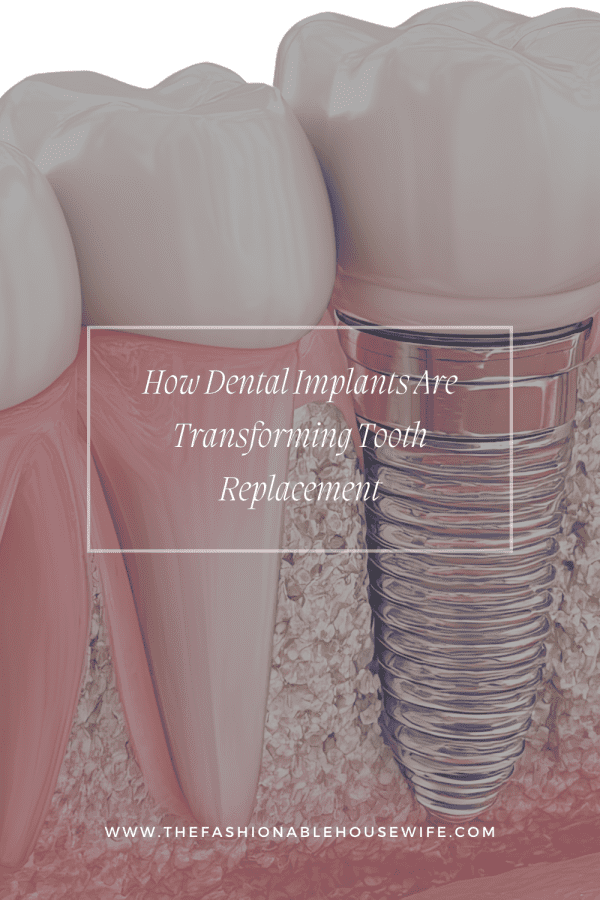
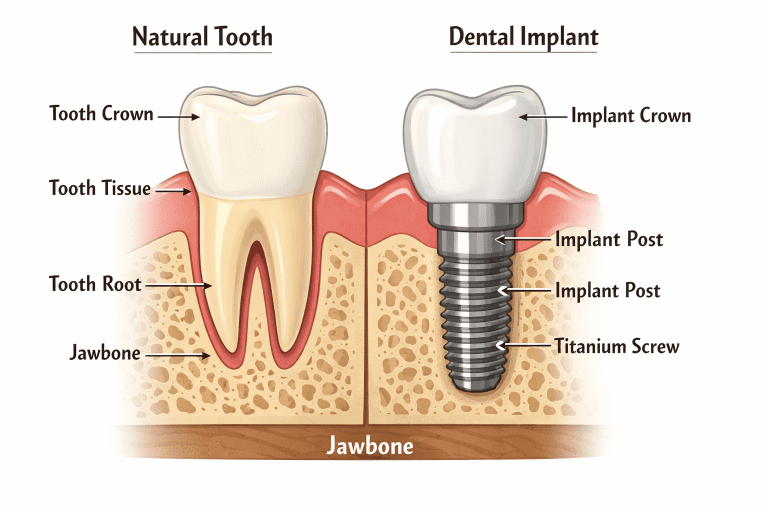
Dental implants are small, biocompatible posts made typically of titanium. The implants are surgically placed into the jawbone, where they gradually fuse with the bone through a biological process called osseointegration. Serving as artificial tooth roots, these posts provide a secure foundation for replacement teeth, such as crowns, bridges, or dentures.
Because they integrate with the natural bone, implants offer stability unmatched by removable alternatives. This stability is crucial for maintaining a comfortable bite and safeguarding oral health over time.
Advantages Over Traditional Methods
- Durability: Dental implants are designed for longevity. When properly cared for, they can last decades, far outliving most bridges or dentures.
- Bone Preservation: The placement of implants promotes ongoing jawbone stimulation, preventing the bone loss commonly associated with missing teeth and removable dentures.
- Natural Appearance and Function: Implants mimic the look and function of real teeth. This boosts self-confidence and makes eating, speaking, and smiling more comfortable and natural.
For many, implants also mean no dietary restrictions. They eliminate slippage and irritation, two common complaints with conventional dentures. These advantages often lead to greater long-term satisfaction among patients who choose implants over other tooth-replacement options.
According to the American Dental Association, implants have become a preferred method for single-tooth replacement and comprehensive restorations.
The Implant Procedure
- Consultation and Planning: A thorough dental examination with digital imaging ensures that patients are ideal candidates for implants. Dentists assess bone health, alignment, and oral hygiene at this stage.
- Surgical Placement: The titanium post is carefully inserted into the jawbone in a surgical procedure, typically performed under local anesthesia. Some cases may involve a bone graft beforehand if additional support is needed.
- Healing Period: Over the next few months, the implant site heals and osseointegration occurs, securing the post in the jawbone.
- Abutment Placement: After healing, a small connector (an abutment) is attached to the implant. This piece will link the implant to the final restoration.
- Prosthetic Attachment: A custom-made crown, bridge, or denture is fabricated and securely placed onto the abutment, completing the process.
This multi-stage approach prioritizes stability and long-term success. Your dental professional may outline personalized timelines or options based on your overall oral health and the type of restoration needed.
Technological Advancements
Remarkable progress in dental implant technology has improved success rates and reduced recovery times for patients. Modern imaging, 3D printing, and materials science have enabled greater customization and predictability in treatment plans. For instance, Tufts University researchers have developed next-generation dental implants that closely mimic real tooth functionality, opening the door to even more natural results. Learn more about this development.
Further innovations, such as digital planning software and minimally invasive procedures, are making implants more accessible and comfortable than ever before.
Considerations and Candidacy
Not every individual is a candidate for dental implants. Key factors include the patient’s overall health, jawbone density, and a commitment to maintaining good oral hygiene. Chronic conditions like diabetes or smoking can interfere with healing and implant integration, impacting the success of the procedure.
Before proceeding, a dental provider will conduct a comprehensive consultation to assess risk factors and discuss expected outcomes. In certain cases, additional preparatory steps (such as bone grafts or periodontal treatment) may be needed to ensure long-term success.
Conclusion
Dental implants have truly transformed the landscape of tooth replacement, providing a realistic solution for both function and aesthetics. With ongoing advancements in technology and technique, the future of dental restoration continues to brighten. For those seeking to regain their smile with confidence and comfort, consulting a knowledgeable dental provider is the first step toward a lasting solution.