
The Future of Tooth Replacement: Trends in Dental Implants
Key Takeaways
- Material and technology innovations are driving improved outcomes and wider access to dental implants.
- Digital tools and 3D printing make implant treatment quicker, more comfortable, and increasingly precise.
- The development of smart implants and regenerative tissue engineering signals the next chapter in tooth replacement care.
Tooth loss remains a prevalent issue worldwide, affecting individuals’ self-confidence, speech, nutrition, and oral health. While dentures and bridges have traditionally helped address this problem, dental implants are now considered the gold standard for lasting tooth replacement. Advanced solutions such as All-on-4 dental implants provide a secure, natural-feeling alternative for those looking to restore their smile and bite strength. With ongoing research, new materials, and digital breakthroughs, the future of tooth replacement is evolving faster than ever.
These improvements in dental implant options are not just about comfort and aesthetics; they also bring enhanced health outcomes, fewer complications, and easier procedures. As science continues to advance, dentists and patients alike benefit from safer, more predictable, and more personalized tooth-replacement options. This article will explore the current trends and look ahead to what the future may hold for dental implants, with a special focus on technological advancements, market growth, and innovation in clinical procedures.
Advancements in Implant Materials
Titanium has long been used for dental implants due to its strength, bone-bonding ability, and high success rates. Recently, zirconia implants have gained popularity as a durable alternative, especially for those with metal allergies or seeking natural-looking restorations. Research shows that zirconia’s osseointegration is comparable to that of titanium, providing strong, stable results. This expands options for different patients, balancing function and aesthetics.
In addition, scientists are exploring hybrid materials and coatings to reduce inflammation, promote healing, and improve implant integration. Nanoscale surface modifications aim to enhance cell adhesion and accelerate osseointegration, leading to faster healing and fewer complications. As materials science advances, future implants will likely be more biocompatible and customizable, reducing allergic reactions and boosting long-term success.
Digital Workflows and 3D Printing in Dentistry
Digital dentistry has dramatically altered the implant process, making the diagnostic and planning stages more precise. Modern practices now utilize intraoral scanners and cone-beam computed tomography (CBCT) to produce detailed 3D models of a patient’s entire mouth. These digital models are used to design personalized surgical guides, which can be 3D printed for ultimate placement accuracy. For patients, digital workflows mean shorter treatment duration, fewer visits, and a smoother overall experience, while clinicians enjoy improved outcomes and more predictable results. This surge in digital dentistry adoption is transforming procedural standards across specialties.
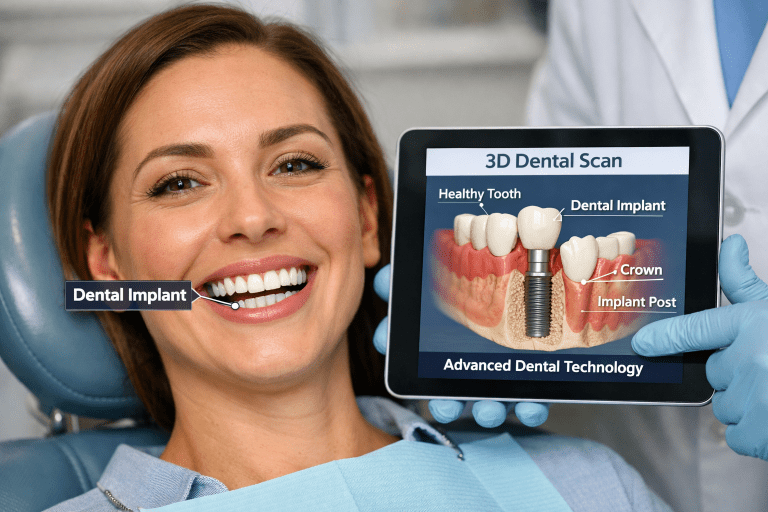
Beyond surgical guides and diagnostics, 3D printing is now being utilized to create custom abutments and implant-supported crowns. This leads to a near-flawless fit, further improving patient comfort and the aesthetic outcome. The integration of artificial intelligence into treatment planning software is helping automate complex decision-making and predict potential challenges before surgery, thereby improving precision and patient safety.
Smart Implants and Osseointegration Monitoring
The next leap in dental implant technology is represented by smart implants. These futuristic devices integrate embedded micro-sensors, enabling real-time monitoring of healing progress, bone integration, and loading forces. By delivering data directly to clinicians, smart implants promise highly customized care plans and more timely interventions in the event of complications. Though currently in development, this approach is likely to reduce overall implant failure rates and further minimize patient discomfort.
This smart monitoring may also pave the way for personalized aftercare based on each individual’s unique response to implant surgery. With the capacity to detect early signs of infection, inflammation, or movement, these innovations could revolutionize post-operative care and elevate the standard of long-term dental implant maintenance.
Biological Implants and Tissue Engineering
Researchers aim to regrow natural teeth through tissue engineering and stem cell science, exploring how to trigger the body’s regenerative pathways for new teeth. While clinical trials are still experimental, experts predict they will occur within a decade. Advances in tissue engineering have improved bone grafting and gum regeneration. Nature highlights the potential of regenerative dental medicine.
Stem cell therapy with gene editing could lead to replacement teeth and repair of bone and tissues damaged by disease or trauma. These advances could make artificial implants obsolete, despite challenges like cost, ethics, and technical success. The future may see biologically derived teeth grown from patients’ own cells, revolutionizing dental care.
Market Growth and Improved Access to Care
The global dental implant market is rapidly growing, driven by technological advances and rising consumer awareness. Demand increases due to an aging population and a focus on long-term dental health and aesthetics. Industry forecasts predict the market will surpass $30 billion in 10 years, reflecting steady patient adoption and better access. Innovations in devices, streamlined workflows, and remote consultations are expanding access to care for underserved groups. Tele-dentistry enables remote consultations, reducing care barriers for rural patients and aiding specialist collaboration on complex procedures. Enhanced dental education supports wider adoption of advanced implant techniques, ensuring patients benefit from the latest practices.
Conclusion
Dental implants are now the top solution for tooth replacement, offering strength, function, and a realistic look. Advances in materials like zirconia, digital workflows, and smart implants are changing patient experiences. Biological tooth regeneration is an exciting frontier. As the industry grows and new tools emerge, implant solutions will become more personalized, efficient, and accessible. Scientific innovation, better training, and digital connectivity will improve the quality and reach of these treatments worldwide. Staying informed helps patients and professionals make the best choices for strong, healthy, and beautiful smiles.