

What to Know About Rideshare Accidents in Las Vegas

Key Takeaways
- Rideshare accidents in Las Vegas often involve complex liability due to the involvement of multiple parties and shifting insurance coverage.
- Liability depends largely on the driver’s app status at the time of the accident.
- Common causes include distracted driving, fatigue, unsafe pickups, and speeding.
- Immediate actions—such as documenting the scene and seeking medical care—are critical after a crash.
- Legal guidance can help victims navigate insurance claims and pursue fair compensation.
Las Vegas attracts countless visitors each year, making it one of the busiest cities for rideshare services like Uber and Lyft. With the rapid growth of these transportation options, new legal and safety questions have emerged regarding accident liability and injury claims. If you’ve ever wondered what to do or who is responsible after a rideshare accident, discovering the nuances of these incidents can help protect your rights. For more knowledge and legal assistance surrounding rideshare accidents, consider reaching out to blakefriedmanlaw for expert advice curated for Las Vegas residents and visitors.
Accidents involving rideshare vehicles are often more complex than standard car accidents due to the involvement of multiple parties and evolving regulations. Whether you’re an unsuspecting passenger, a driver, or another motorist, the details matter in determining how damages are covered and liability is assigned. Tourists unfamiliar with Nevada laws and the insurance rules related to rideshare companies are particularly vulnerable in the aftermath of a crash.
As rideshare bookings spike during peak times—such as conventions, concerts, and game nights—the sheer volume of rides increases the potential for accidents. Understanding your rights and legal responsibilities before an accident occurs can significantly impact your recovery process, both physically and financially.
Common Causes of Rideshare Accidents
Several scenarios often lead to rideshare collisions on the busy streets of Las Vegas:
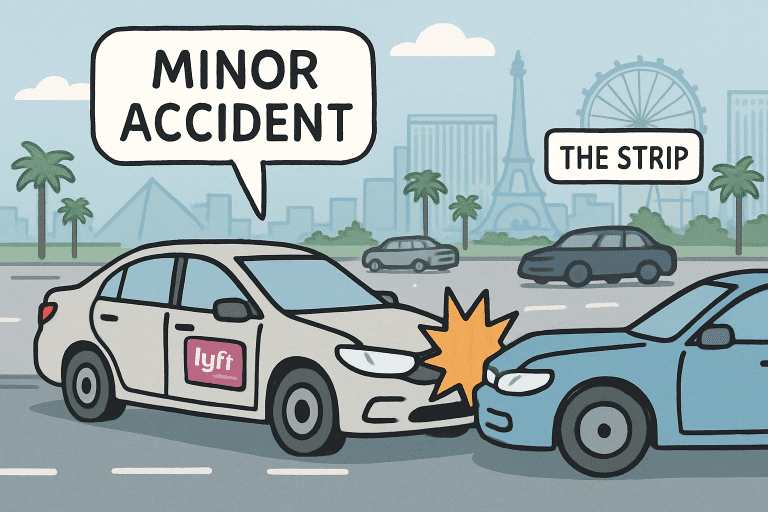
- Distracted Driving: Many drivers split their attention between navigating unfamiliar routes, managing ride notifications, and communicating with passengers.
- Driver Fatigue: To maximize rides and tips, drivers may work extraordinarily long hours, increasing fatigue and the risk of errors on the road.
- Unsafe Pickups and Drop-offs: High-traffic areas, such as the Las Vegas Strip or major event centers, often result in hurried and sometimes hazardous stops for boarding and exiting vehicles.
- Speeding: Pressured to complete more rides per shift, some drivers exceed the speed limit, which significantly increases crash risk.
Determining Liability in Rideshare Accidents
Determining who is responsible for a rideshare accident requires a thorough examination of all parties involved. Key points include:
- Rideshare Driver: If their negligence—such as distracted driving or speeding—caused the crash, the driver could be liable.
- Rideshare Company: Uber and Lyft may be responsible depending on whether their platform was active and a ride was in progress during the incident.
- Other Motorists: When another driver is responsible for the collision, standard auto insurance liability may apply.
- Vehicle Manufacturers: If a mechanical or manufacturing defect played a role, the company that built the vehicle could also be held accountable.
Liability often requires careful evidence gathering and a thorough understanding of the applicable regulations, which can differ between standard vehicles and commercial rideshare operations.
Insurance Coverage Nuances
One of the most important distinctions in a rideshare accident is the driver’s “app status” at the time of the collision, which determines which insurance policies apply:
- App Off: Only the driver’s personal insurance is in effect.
- App On, No Ride Accepted: The rideshare company provides limited liability coverage during this period.
- Ride Accepted/Passenger Onboard: The most robust coverage—often up to $1 million in liability—kicks in during these stages.
Having a clear grasp of where the accident falls in this coverage timeline is crucial for filing successful insurance claims.
Steps to Take After a Rideshare Accident
Taking the right actions immediately after a rideshare accident can protect your health and strengthen your case:
- Ensure Safety: If possible, move out of harm’s way and check if anyone is injured.
- Contact Authorities: Always call the police and request an official report.
- Document the Scene: Take pictures of the vehicles, accident site, and any injuries.
- Gather Information: Collect the names, contact information, and insurance details of all parties involved.
- Seek Medical Attention: Regardless of the injury’s severity, consult a healthcare provider for a thorough evaluation.
- Report to Rideshare Company: Use the app or customer support to notify the company about the accident.
Legal Considerations and Rights
Victims of rideshare accidents—passengers, other drivers, or even pedestrians—have rights to seek compensation for injuries, lost income, and emotional distress. Consulting an attorney who understands state and local laws about rideshare liability ensures that no critical detail is overlooked in your claim or lawsuit. Legal experts can guide negotiations with insurance companies and help maximize your compensation.
Preventive Measures for Passengers
Proactive steps can help safeguard your rideshare experience:
- Verify Driver and Vehicle: Before entering, double-check the car and driver against app details.
- Share Trip Details: Use the app’s built-in feature to send ride updates to friends or family.
- Choose Safe Pickup Locations: Select visible, low-traffic spots for boarding and exiting when possible.
Final Thoughts
The popularity of rideshare services in Las Vegas comes with increased risks and a complex legal landscape for car accident victims. Knowing what causes these accidents, how liability is determined, and the necessary steps to take afterward can have a significant impact. Whether you’re a local or a visitor, staying informed ensures you’re better prepared to protect your health, finances, and legal rights in the event of the unexpected.