What a Garment Label Can Tell You
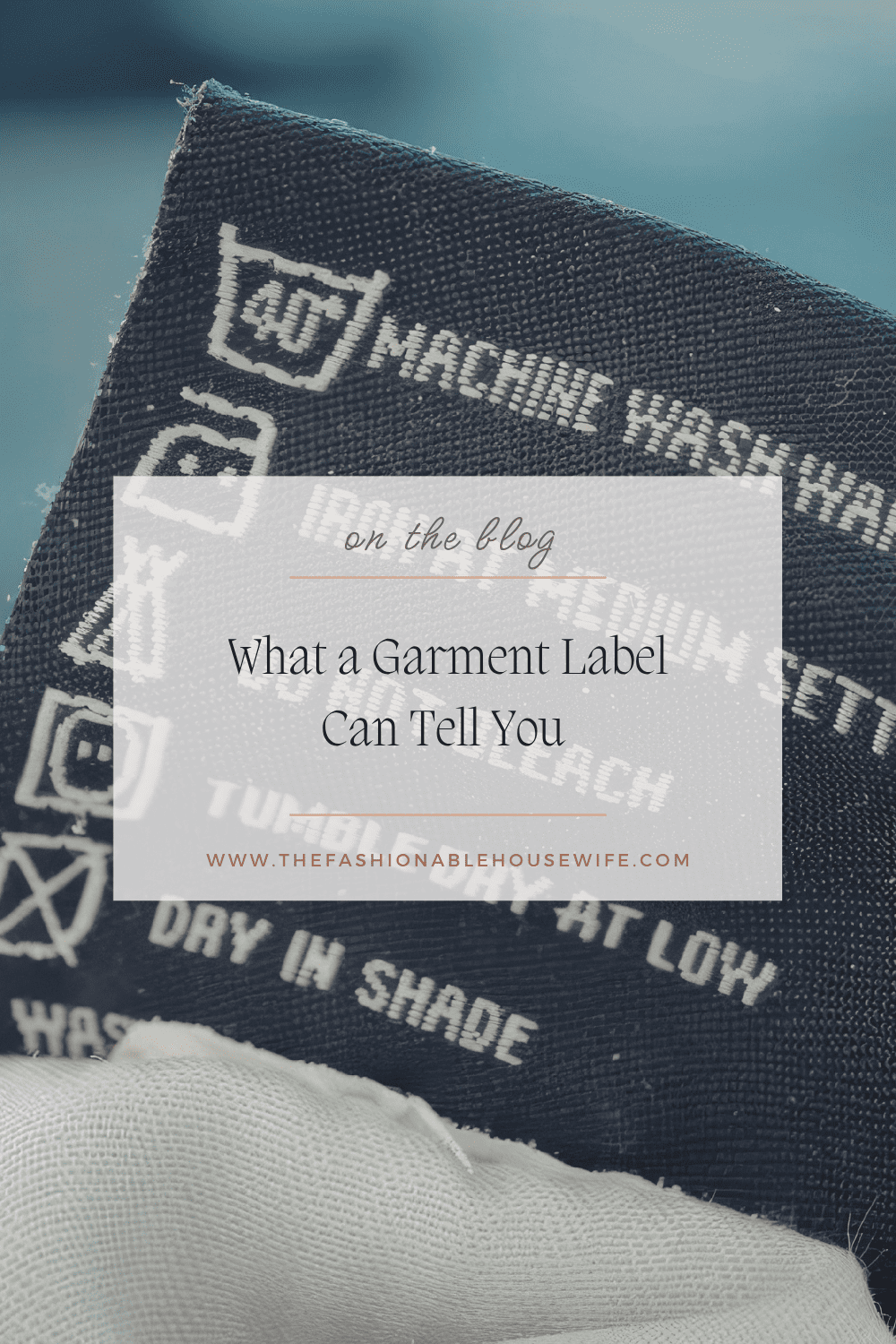
A well-made garment rarely depends on novelty to make its case. Its value is often found in the quieter details, and the fabric label is one of the clearest among them. While it is easy to focus first on silhouette, color, or price, the label offers a more grounded view of what a piece is made of, how it may wear, and how carefully its story aligns with its construction.
What the Label Can Tell You
The fabric label gives structure to what might otherwise remain a visual impression. Fiber content offers clues about texture, breathability, resilience, and drape. A cotton poplin shirt, a wool crepe trouser, and a women’s linen coat each carry distinct expectations, and the label helps explain why a garment feels the way it does in the hand and on the body. Even when the material blend is simple, the percentages matter because they shape performance over time. A small amount of stretch may change comfort and recovery, while a lining or trim can affect ease, warmth, and care in ways that are easy to miss upon first glance.
Reading the label also encourages a more thoughtful standard for value. Price alone cannot explain whether a garment has been made with intention. Composition, finishing, and origin together offer a stronger basis for judgment. When a piece is described as timeless, natural, or responsibly made, those claims carry more weight when they are supported by clear label language and specific material information. Precision has a quiet authority, and clothing that is presented with precision often reflects greater care in its making.
Country of origin belongs in that reading as well. It does not tell the entire story of a garment, though it does place the piece within a broader conversation about production, labor, and accountability. For a conscientious shopper, this line on the tag can serve as an invitation to look more closely at how a brand speaks about its process and whether the language is transparent or merely polished.
What the Label Cannot Resolve
For all its usefulness, the label does have limits. It can identify fiber and place of final production, but it cannot fully express the quality of the raw material, the standards of the mill, or the skill of the hands that cut and sew the garment. Two pieces may carry similar fiber content and still differ greatly in finish, feel, and longevity. This difference is often revealed in the fabric itself, in the steadiness of the stitching, in the way a seam lies flat, or in how the garment settles into movement.
The most discerning approach is to treat the label as part of a larger reading. It offers evidence which should be considered alongside touch, construction, and proportion. Over time, this habit builds a sharper eye and a steadier sense of what belongs in a wardrobe for years rather than a season. Clothing chosen in this way tends to feel less disposable because it has been evaluated with care before it is ever brought home.
For a practical companion to this subject, refer to the accompanying fabric label guide.
