
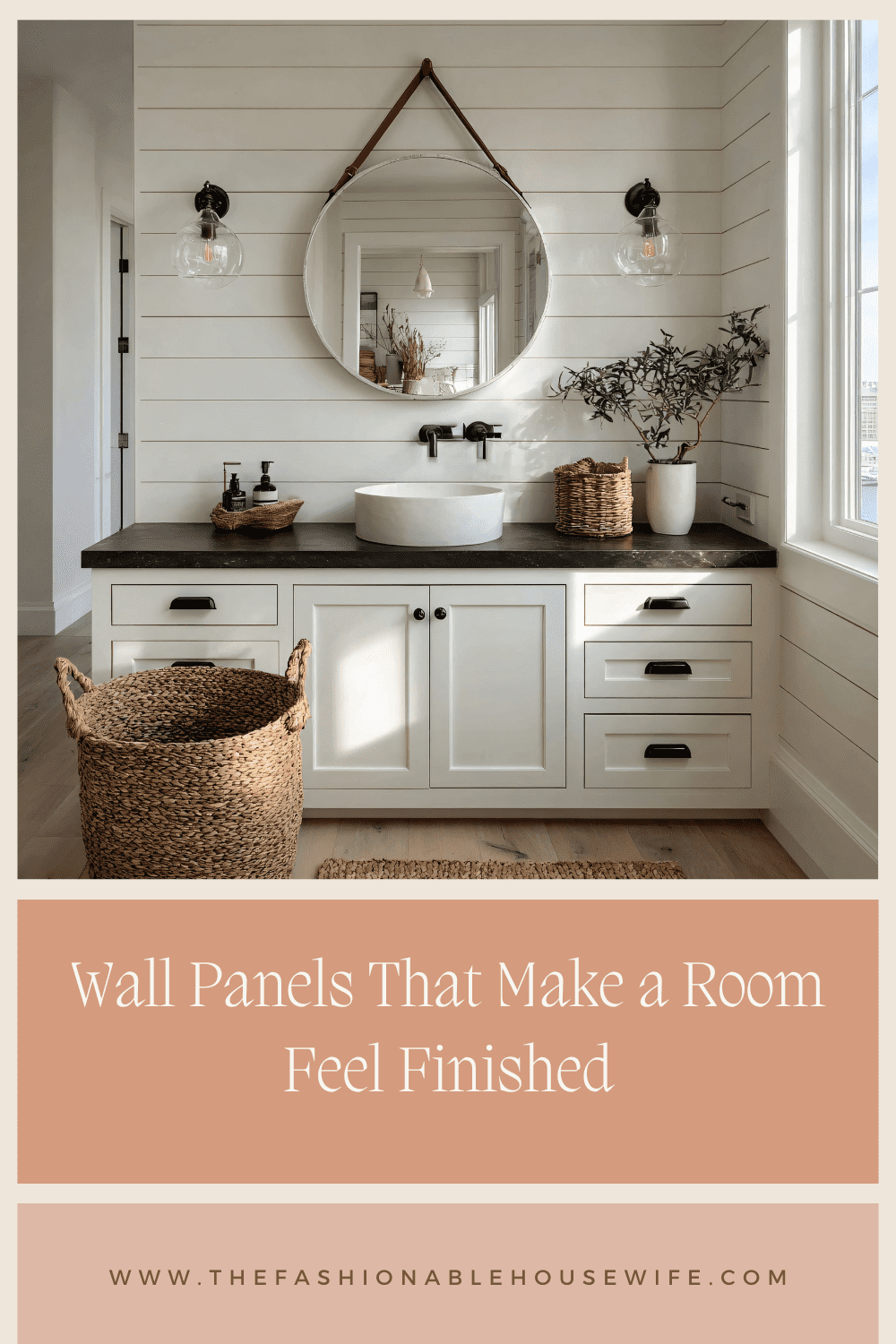
Wall Panels That Make a Room Feel Finished
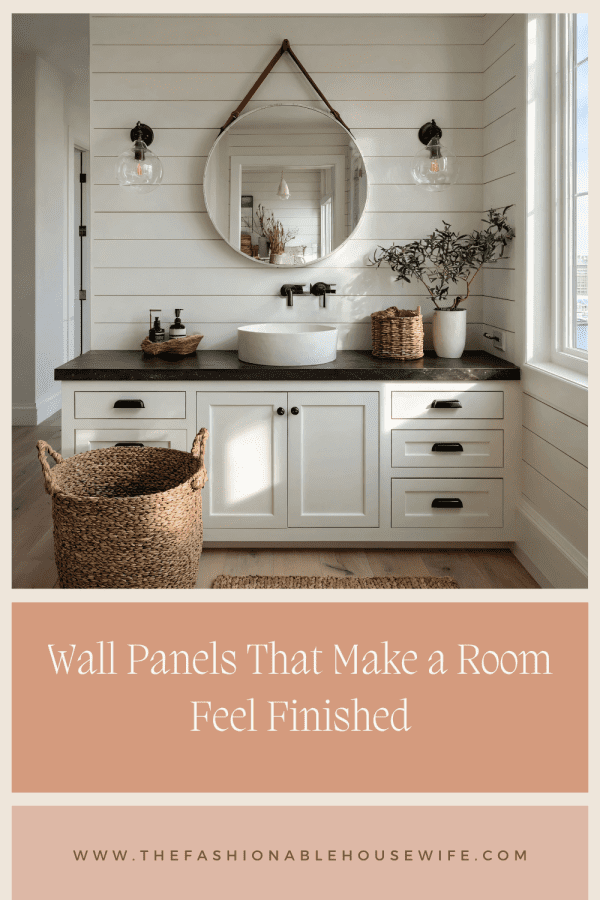
Wall panels are one of those upgrades you notice immediately, but appreciate even more over time: the room feels warmer, acoustics improve, and the walls gain depth that paint alone rarely delivers. Designers use panels to create rhythm, hide small wall imperfections, protect high-traffic areas, and build “architectural” character without a full remodel.
If you’re planning a refresh—one room or an entire home—the smartest approach is to treat wall panels as part of a whole interior system (walls + doors + trims + lighting), not a standalone accent.
How to choose wall panels for your space
Start with what the room needs, then match the look. A hallway needs durability and easy maintenance. A bedroom might need softness and calm textures. A living room often benefits from a feature wall that anchors the furniture layout.
A quick decision checklist:
- Purpose: accent wall, full-room cladding, zoning (TV area / dining), or protection (entryway, stairs).
- Light: in darker rooms, lighter finishes and subtle texture feel bigger; in bright rooms, deeper tones and strong milling look premium.
- Scale: large-format panels suit open spaces; smaller divisions (classic framing) can add structure to compact rooms.
- Maintenance: think fingerprints, kids, pets, and cleaning products before you fall in love with a finish.
Triodoors positions wall panels as a finishing material for interiors and exteriors, and emphasizes design flexibility and paneling as a way to create a distinct look.
Materials and finishes: what actually changes the look
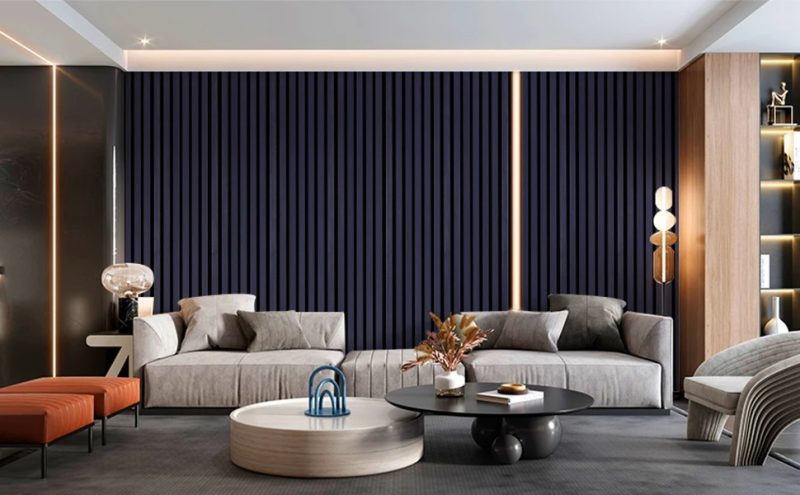
The “same style” can feel completely different depending on the surface finish and core. Decorative wall panels may be finished with veneer, paint, glass, or wood, giving you a wide spectrum—from natural and calm to glossy and bold.
A few common directions homeowners pick (and why):
- Veneered panels: natural warmth, refined grain, great for living rooms/offices where you want a “quiet luxury” feel.
- Pre-painted panels: consistent color control; easier to coordinate with furniture, trims, and doors for a clean modern interior.
- Glass / reflective solutions: visually enlarge the space and work well in modern entryways or corridors (especially with good lighting).
- Performance laminates (HPL-type finishes): practical choice for durability and everyday wear resistance.
One detail that matters more than people expect is construction. For example, Triodoors notes an MDF base option (12 mm) for certain decorative panel solutions. That kind of spec influences how the wall feels, how it takes fasteners, and how clean the joints can look.
Installation, pairing with doors, and how to avoid “almost” results
Great wall panels look intentional when the edges, corners, and transitions are planned. The biggest “miss” I see in real homes is when panels are chosen first—and doors are treated as an afterthought. When you coordinate them, the wall plane looks continuous, the lines stay consistent, and the room reads like a finished design.
If you want fewer surprises during installation:
- Measure wall flatness and plan for alignment points (centerline, ceiling line, door casing line).
- Decide early whether panels should wrap into corners or stop with a reveal/trim.
- Plan outlets, switches, and sconces so they land symmetrically on the panel layout.
Triodoors highlights ordering wall panels as part of a broader interior catalog that includes doors and related systems—useful if you’re trying to keep the whole project visually consistent.
When you’re ready to source, compare finish options and request what fits your exact concept, then order at Triodoors.ca for a cohesive doors + panels approach.