
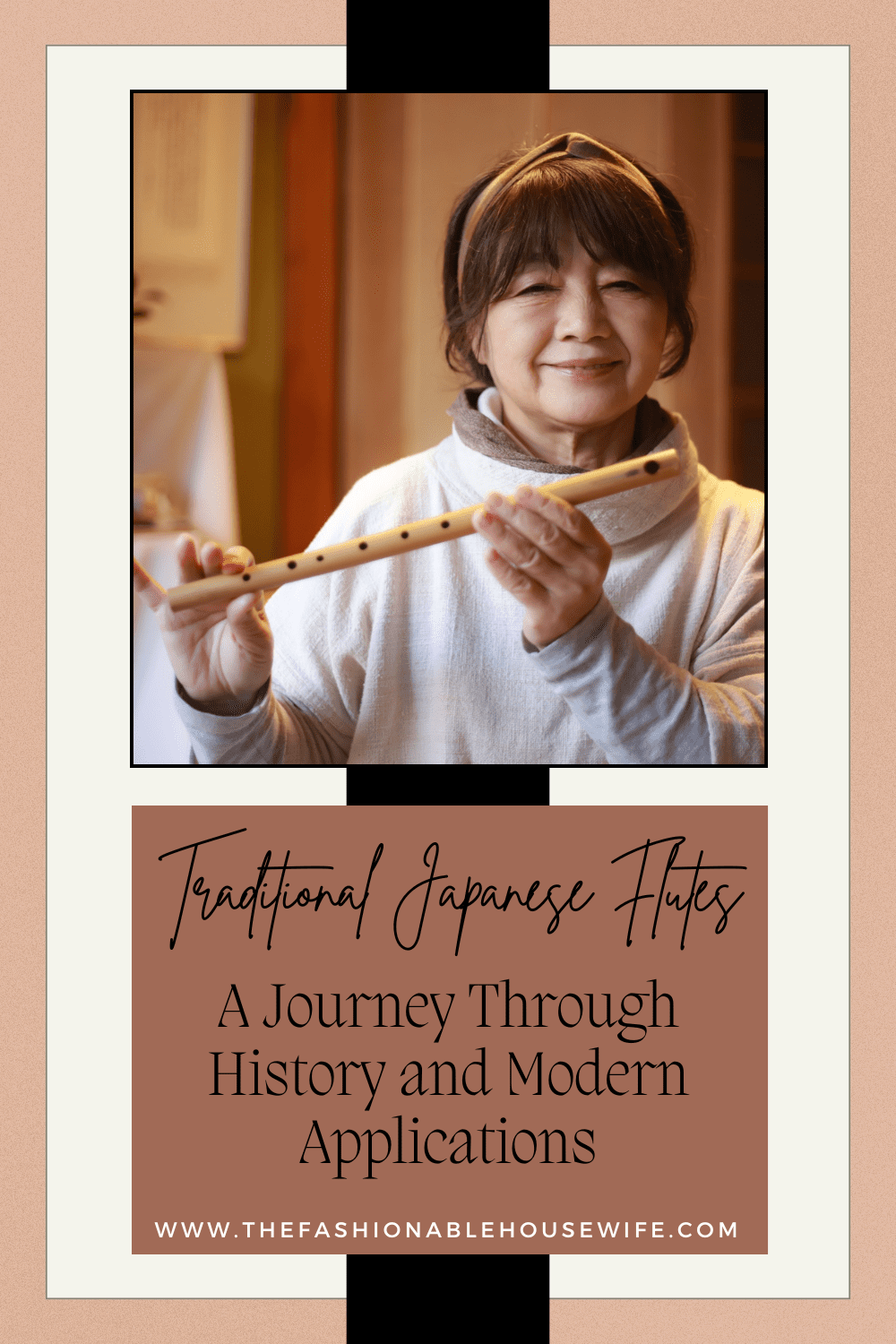
Traditional Japanese Flutes: A Journey Through History and Modern Applications
Key Takeaways
- Traditional Japanese flutes, such as the shakuhachi, nohkan, and shinobue, have deep historical and cultural significance.
- These instruments have evolved from spiritual tools to versatile components in various musical genres.
- Modern adaptations and global interest have expanded their use beyond traditional settings.
Introduction to Traditional Japanese Flutes
Japan’s rich musical culture owes much of its distinctive sound to traditional flutes, each carrying centuries of stories and craftsmanship. Three of the most widely recognized flutes, the shakuhachi, nohkan, and shinobue, occupy unique places in the history and rituals of Japan. These instruments have long been revered not only as tools for melody but also as vessels for spiritual and social expression.
While these flutes began as symbols of spiritual devotion and communal celebration, their remarkable sounds have traversed time. Over generations, Japanese flutes have shifted from ceremonial origins into contemporary and even global musical landscapes, impacting everything from traditional festival music to modern film soundtracks.
The intricate artistry of these flutes is more than mere technical craftsmanship. It reflects the ongoing transformation of music and culture in Japan. The evolution of these instruments is intertwined with the nation’s spiritual practices, entertainment traditions, and identity, offering a living link between past and present.
Each flute has its own voice and purpose, shaped by hundreds of years of cultural and artistic development. For example, the shakuhachi was originally used by wandering monks to facilitate meditation, while the nohkan continues to heighten dramatic moments in Noh and Kabuki theater. This journey from ritual function to modern innovation helps explain why Japanese flutes remain captivating in today’s music world.
The Shakuhachi: From Zen Meditation to Global Stages
The shakuhachi, with its earthy, haunting tone, stands as perhaps the most iconic of all traditional Japanese flutes. Its origins can be traced back to China’s xiao flute, but it gained its deepest cultural roots in Japan during the Edo period. Komusō monks of the Fuke Zen sect famously played the shakuhachi for ‘suizen,’ a meditative practice where music and mindfulness merge. Musicians would wander the countryside, heads hidden beneath basket hats, playing the flute for spiritual deepening and to seek alms.
In modern times, the shakuhachi’s legacy echoes through a wide range of popular media. It can be heard in international cinema, such as in the evocative soundtrack of “Memoirs of a Geisha,” lending an unmistakably Japanese timbre to emotional scenes. Video games like “Ghost of Tsushima” also make extensive use of the shakuhachi, introducing the instrument to new, global audiences.
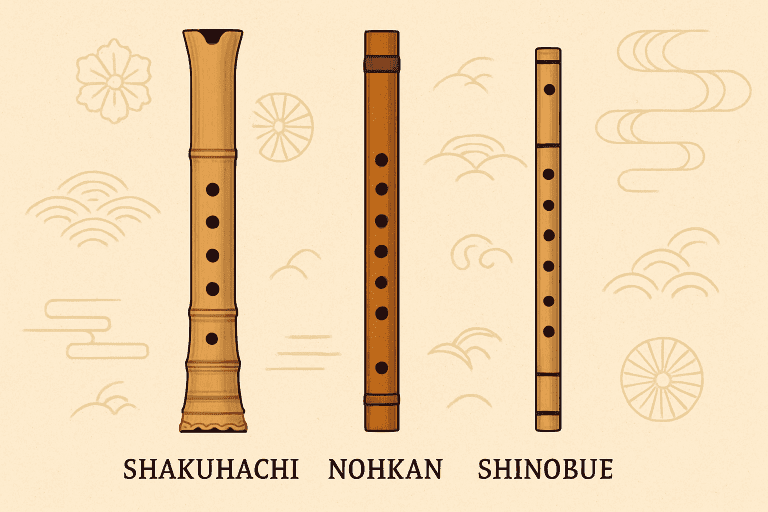
The Nohkan: Theatrical Essence in Noh and Kabuki
The nohkan is a unique transverse flute crafted from bamboo and designed to pierce through the complex soundscapes of Noh and Kabuki theater. Created in the 15th century by the stage masters Kan’ami and Zeami, the nohkan features a notable conical bore and a deliberate restriction in its tube, resulting in a sound unlike any other. This sharp, bright timbre allows the instrument to carry above voices, percussion, and strings during elaborate stage performances.
The role the nohkan plays in the theater cannot be overstated. It marks entrances, underscores climactic moments, and enhances the emotional impact of each scene. This flute’s ability to evoke excitement or tension is fundamental to traditional Japanese stagecraft. For those curious about its place in Japanese performing arts, the historical context is detailed in mainstream sources such as Wikipedia.
The Shinobue: Festival Sounds and Folk Traditions
With its lightweight, easily portable frame, the shinobue has long been the instrument of choice for festival musicians. Its high-pitched, lively sound is a familiar feature of ‘matsuri’ (Japanese festivals) and local folk events throughout the country. The shinobue, sometimes called the takebue, comes in several versions, each tuned to suit various musical traditions. This versatility ensures its enduring presence at parades, folk dances, and community celebrations.
Constructed from bamboo and available in multiple tunings, the shinobue effortlessly adapts to both old and new compositional styles. Its association with outdoor events and jubilant gatherings cements its place as a key figure in folk music.
Modern Adaptations and Global Influence
Traditional Japanese flutes have undergone a remarkable transformation in recent years, finding new audiences through their use in a diverse array of musical genres. The unmistakable sound of the shakuhachi, for example, is now heard in jazz improvisations, Western classical music, and even electronic compositions. A new generation of musicians, including performers like Kojiro Umezaki, is dedicated to exploring how these traditional sounds can blend seamlessly with contemporary music.
In addition, Japanese flutes have found a permanent home in the soundtracks of international movies and video games, a testament to their emotional and atmospheric power. Their integration into mainstream media continues to widen their reach and inspire musicians worldwide.
Preservation and Innovation: The Role of Modern Artisans
While the global music scene has sparked creative new uses for Japanese flutes, dedicated artisans and musicians are also working to keep ancient techniques alive. Companies like Muramatsu Flutes carry forward these traditions while introducing modern touches. Established in 1923, Muramatsu Flutes has become a leader in producing both traditional and modern instruments that honor the fine art of Japanese flute-making. Their instruments are now played by renowned flautists worldwide and stand as examples of how craftsmanship and innovation can come together.
Learning and Playing Traditional Japanese Flutes Today
Access to traditional Japanese flutes and the opportunity to learn how to play them have never been greater. An expanding network of workshops, online tutorials, and international communities welcomes both beginners and advanced players. By taking up the shakuhachi, nohkan, or shinobue, musicians find not only a path toward skill improvement but also a deeper understanding of Japanese culture, music, and spiritual philosophy.
Conclusion
The enduring allure of traditional Japanese flutes such as the shakuhachi, nohkan, and shinobue connects players and listeners to a cultural journey spanning centuries. These instruments have moved from sacred and communal roots toward vibrant roles in the global artistic world. As symbols of innovation and heritage, they continue to inspire, challenge, and delight musicians and audiences everywhere. Their evolving legacy ensures that Japan’s music will resonate far beyond its shores.