
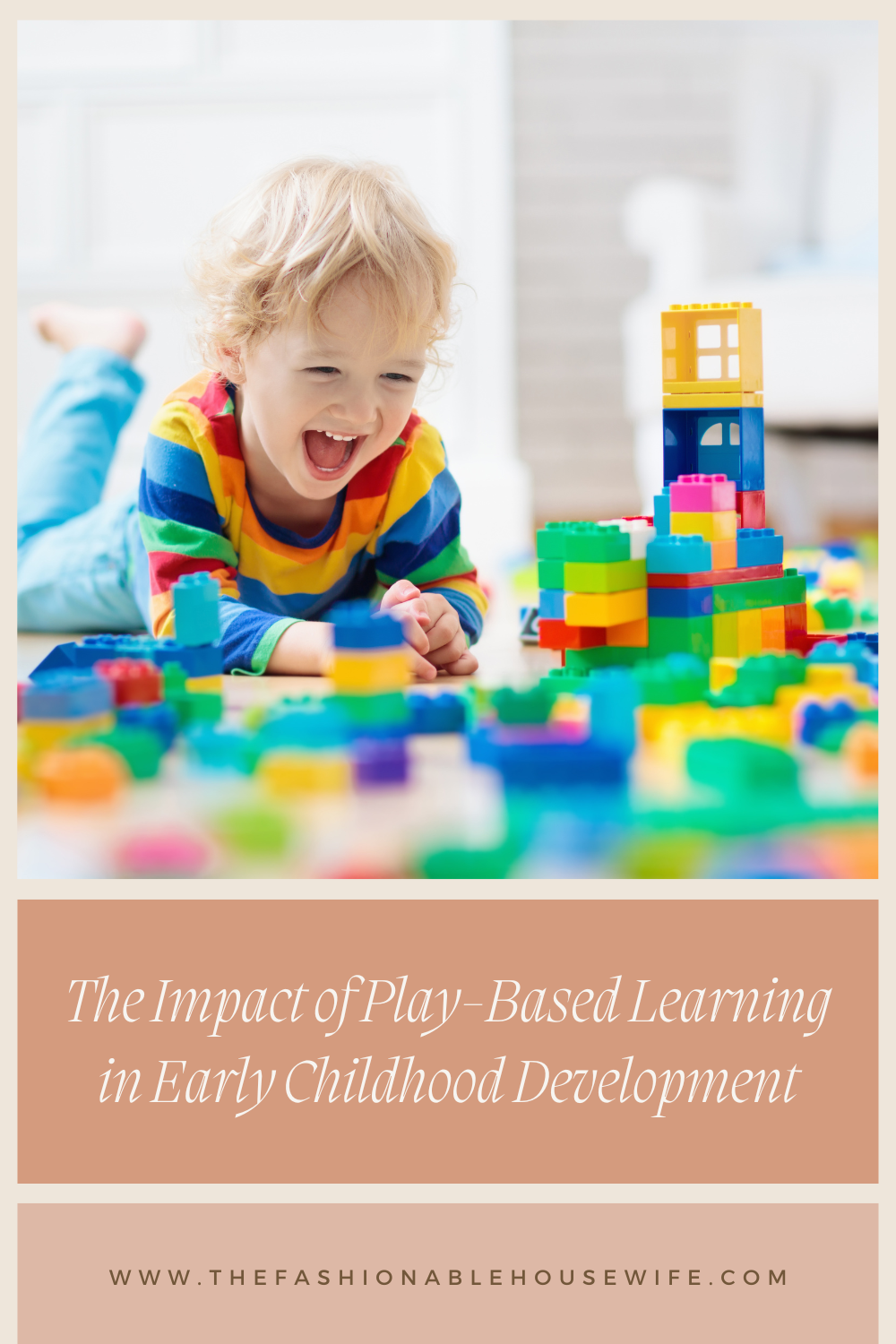
The Impact of Play-Based Learning in Early Childhood Development
Key Takeaways
- Play-based learning fosters cognitive, social, and emotional growth in children.
- Incorporating play into early education enhances problem-solving abilities and creativity.
- Guided play, where adults support but don’t direct play, can be particularly effective.
Table of Contents
- Cognitive Benefits of Play-Based Learning
- Social and Emotional Growth Through Play
- Physical Development and Coordination
- Implementing Play-Based Learning in Early Education
- The Role of Caregivers and Educators
- Challenges and Considerations
- Final Thoughts
Play isn’t just a source of joy for children. It forms the backbone of healthy development during the early years, offering vital opportunities for growth in every area of a young child’s life. When children engage in playful experiences, they discover how to interact with their environment, engage with others, and build skills that set the stage for all future learning. If you’re looking to support your child’s growth and socialization, you might consider a toddler daycare near Windsor, Connecticut, to experience well-rounded, playful environments that nurture these crucial abilities.
Through intentional play, young children naturally develop their intellect, emotional resilience, communication abilities, and physical coordination. The process of play is much more than keeping children occupied; it is recognized by early childhood experts as one of the most effective tools in helping children acquire real-world skills, flexibility in thinking, and problem-solving ability.
Cognitive Benefits of Play-Based Learning
Engagement in play provides children with opportunities to develop core skills tied to critical thinking, attention, and memory. Activities such as stacking blocks, sorting shapes, or fitting puzzle pieces together prompt children to try out solutions and learn from mistakes in a safe and supportive setting. These problem-solving exercises help them understand concepts such as cause and effect and pattern recognition.
Imaginative play or pretend play is especially valuable for cognitive growth. When children take on different roles, act out stories, or set up imaginary scenarios, they build flexible thinking, language development, and the ability to hold multiple perspectives. According to research highlighted by the National Association for the Education of Young Children (NAEYC), playful learning directly supports the development of executive function skills, which are crucial for academic success.
Social and Emotional Growth Through Play
Play lays the groundwork for emotional intelligence and strong social abilities. When children engage in peer-to-peer play, they learn important concepts such as cooperation, negotiation, and patience. It is through these interactions that they practice self-control, learn coping strategies, and understand the value of empathy and sharing.
Through group activities, children encounter a variety of emotions, including excitement, frustration, and disappointment. Guided by caring adults, children can learn to name their feelings, express themselves constructively, and resolve conflicts skills that benefit them in all areas of life.
Physical Development and Coordination
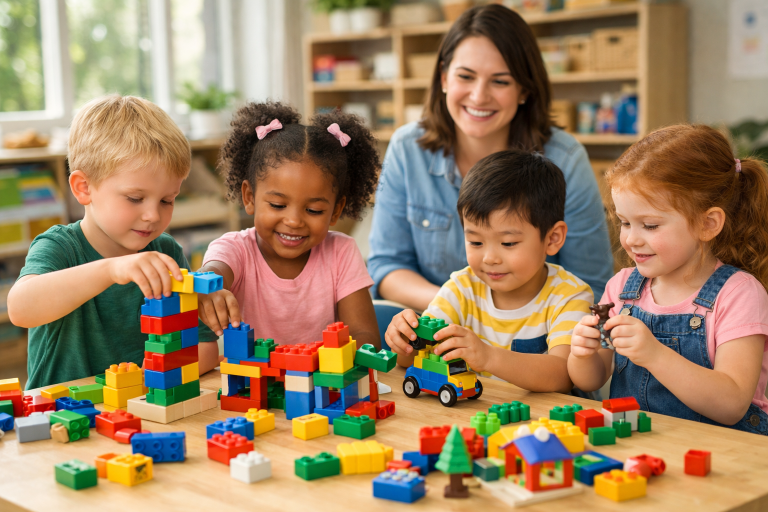
Physical play is integral to the development of both fine and gross motor skills. When children manipulate objects, draw, or construct with building materials, they refine the movements of their hands and fingers. Meanwhile, adventurous play such as climbing, running, or jumping helps build muscle coordination and general body awareness.
By regularly engaging in activities that challenge their physical abilities in a playful way, children develop confidence and stamina, which serve them well not just in school settings but through a lifetime of sports and physical endeavors. As noted by Verywell Family, early mastery of these skills is a predictor of later academic and extracurricular success.
Implementing Play-Based Learning in Early Education
Play-based learning can be successfully embedded into early childhood settings with several practical strategies:
- Create flexible classroom layouts with open spaces for movement and a blend of play areas for both quiet and active learning.
- Offer a variety of materials, such as natural objects, art supplies, and manipulatives, that prompt discovery and creative exploration.
- Dedicate daily time blocks for both open-ended free play and loosely structured playful activities that build on children’s interests.
Guided play is particularly powerful when adults observe, provide gentle cues, and scaffold learning, while still allowing autonomy. This approach has been shown to maximize engagement and help children make meaningful connections in their learning.
The Role of Caregivers and Educators
Adults have a central role in supporting play-based learning. Caregivers and teachers who keenly observe children’s preferences and emerging skills can tailor the environment, introduce new ideas, or rotate materials to maintain interest and encourage exploration. The emphasis should remain on empowering children to lead their play, while adults are present to guide and facilitate without dominating the process.
Establishing this balance helps children develop initiative and perseverance, while also benefiting from the guidance necessary to stretch their thinking and broaden their experiences.
Challenges and Considerations
Despite its proven benefits, play-based learning still faces challenges. Pressure to achieve academically, limited space, and varying access to quality programs can make it difficult for educators to prioritize play in early learning environments. Advocacy from parents and professionals continues to play a key role in raising awareness about the critical need for play and ensuring its protection in policy and practice.
Addressing these obstacles requires a shared commitment from families, educators, and communities to promote equitable access and support for play-based initiatives.
Final Thoughts
Play-based learning is a vital, evidence-based approach for fostering robust early childhood development across cognitive, social, emotional, and physical domains. Creating spaces that honor and support child-directed play lays the foundation for resilient, creative, and confident learners who are ready to thrive in school and life. By integrating play at the heart of early education, we invest in children’s most promising, joyful futures.