
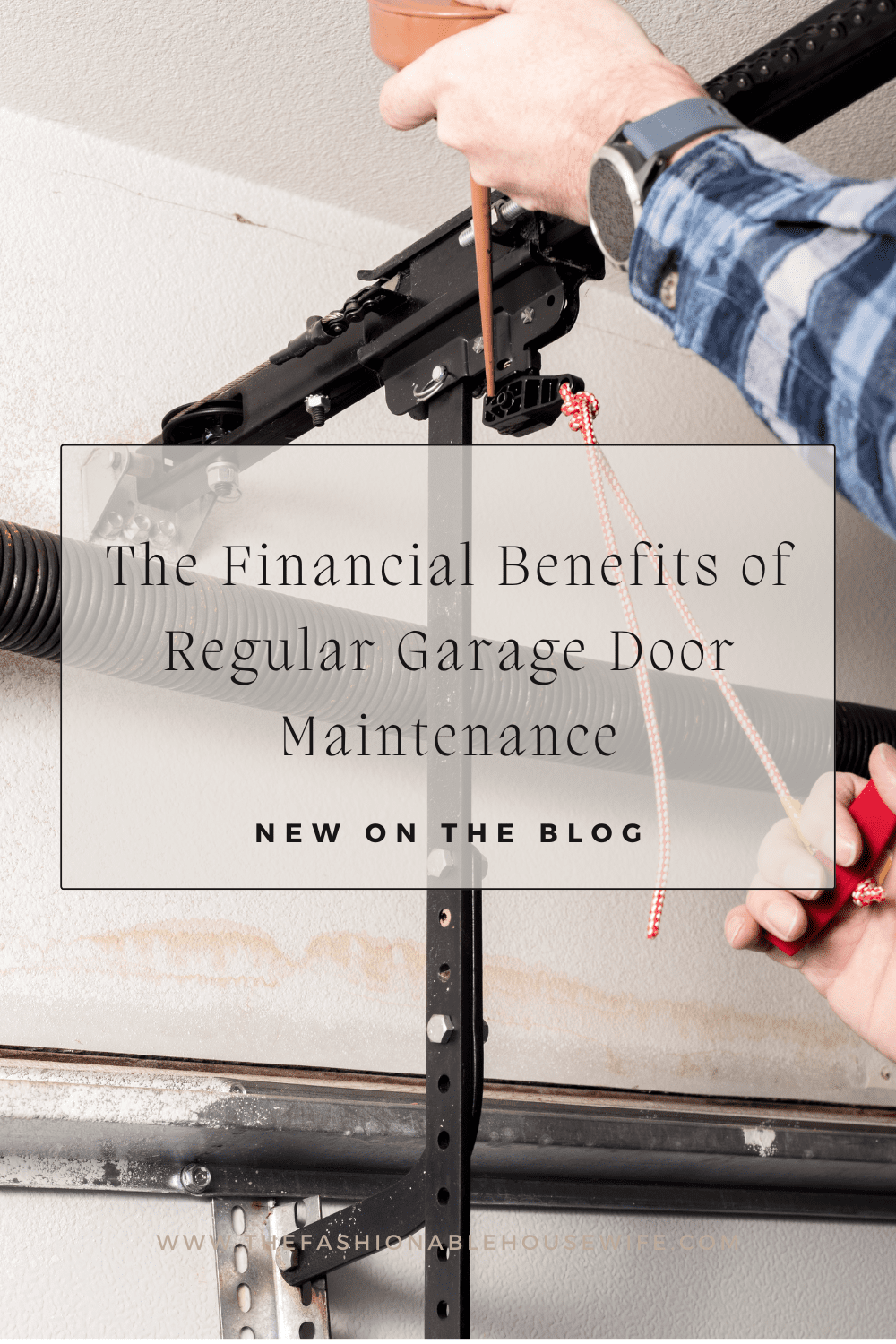
The Financial Benefits of Regular Garage Door Maintenance
Key Takeaways
- Regular maintenance helps identify and address minor issues before they escalate into costly repairs.
- Simple tasks like lubrication and visual inspections can significantly extend the lifespan of garage door components.
- Professional tune-ups are recommended annually to ensure all parts function correctly and safely.
Table of Contents
- The Importance of Regular Maintenance
- Common Issues Prevented by Maintenance
- DIY Maintenance Tips
- When to Call a Professional
- Cost-Benefit Analysis of Maintenance
- Conclusion
Regular maintenance of your garage door is a simple yet effective way to avoid expensive emergency repairs and ensure the reliability of your home’s entry system. Homeowners often overlook basic upkeep, assuming these durable doors will function smoothly year after year. However, routine care allows you to spot and fix minor problems before they cause significant, costly damage. Those who manage commercial properties can also benefit from a proactive maintenance approach. For more information, explore specialized commercial garage door repair solutions for larger facilities.
The average garage door opens and closes over a thousand times each year. This frequent use means that various moving parts, such as springs, rollers, tracks, and openers, experience consistent wear and tear. Without regular checks and simple preventative measures, these small components can quickly escalate into failures that require expensive professional intervention. Knowing these costs and how easily many issues can be prevented emphasizes the importance of routine maintenance for any homeowner.
Beyond individual household savings, a well-maintained garage door enhances your home’s overall safety and security. Malfunctioning sensors or worn cables, for example, can create hazards that put your family or property at risk. Taking time for scheduled maintenance and calling professionals when necessary ensures your entire garage system remains safe and reliable throughout the year. According to experts at Ease Construction, regular garage door maintenance may also help avoid costly insurance claims by reducing the likelihood of accidents or structural damage.
Additionally, annual maintenance supports the energy efficiency of your home’s attached garage, helping you control heating and cooling costs. This creates a win-win scenario that saves money on both future repairs and monthly utility bills.
The Importance of Regular Maintenance
Garage doors are one of the most frequently used features in modern homes. Each cycle of use subjects the system’s moving components to mechanical stress that, left unchecked, can cause performance to deteriorate over time. Preventative maintenance keeps key parts in working order, reducing the risk of operational failures and preserving the overall safety of your home. Regular inspections can also detect hidden problems, such as developing rust or small fractures in the springs, before they escalate into situations that require urgent, expensive emergency repair.
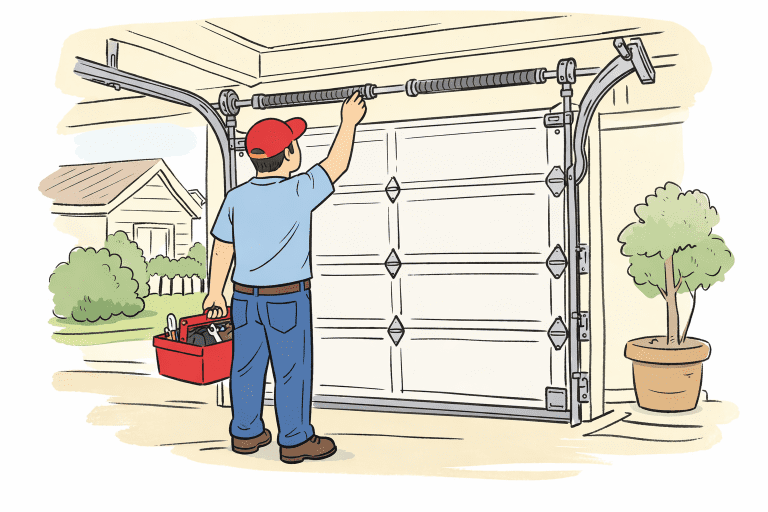
Consistently checking and servicing your garage door ensures it continues to operate smoothly for years to come. A neglected door may develop a misaligned track or a stuck hinge, for example, which can then strain the opener motor or cause more severe structural damage. Going beyond simple DIY checks, annual or biannual tune-ups by professionals provide another layer of security and mechanical reliability.
Common Issues Prevented by Maintenance
Routine upkeep can prevent a variety of problems that, if allowed to progress, often lead to costly repairs:
- Broken Springs: Springs bear much of the door’s weight and tension. Regular inspection and lubrication can prevent excessive wear or sudden failure, which might otherwise leave your garage door inoperable and necessitate an expensive call to a specialist.
- Worn or Frayed Cables: Cables assist springs in lifting and lowering the door. Neglect often leads to frayed or snapped cables, which can cause the door to malfunction or become stuck, requiring professionals to replace them and restore functionality.
- Misaligned Tracks: A door that rides up and down a crooked track puts strain on other parts and is prone to jamming. Checking for minor misalignments and correcting them early can prevent costly repairs or full track replacement.
- Malfunctioning Sensors: Sensors prevent the door from closing on vehicles, objects, or people. Cleaning and realigning the sensors ensures the safety features remain operational, reducing risk and avoiding the need for a full sensor replacement in the future.
DIY Maintenance Tips
While some garage door maintenance tasks require a professional technician, homeowners can extend the lifespan and reliability of their doors with basic do-it-yourself care. Start with a visual inspection, looking for obvious signs of wear such as rusty springs or frayed cables. Regularly lubricate moving parts, such as hinges, rollers, and tracks, to ensure smooth, silent operation and to prevent metal-on-metal shavings from causing early deterioration.
Keeping tracks and sensors clear of dust and debris supports proper performance and avoids unnecessary strain on the mechanical opener. Periodically test the auto-reverse safety feature by placing a small object in the path of the closing door. If the reverse mechanism is unresponsive, it is time for a professional evaluation. For more hands-on maintenance guidance, resources like Ease Construction offer helpful step-by-step tips for homeowners.
When to Call a Professional
Although homeowners can handle many routine tasks, other repairs should be left to certified garage door technicians for safety and technical expertise. Spring and cable replacement are particularly dangerous because of the intense stored tension, and handling them incorrectly can result in serious injury. Similarly, major misalignments of the door track, electrical problems in the opener, or persistent system malfunctions require professional tools and training.
Faulty openers involve complicated electrical circuits and sometimes even software integration, so troubleshooting or attempted repairs often void warranties or introduce new issues. By calling an experienced technician when advanced service is necessary, homeowners can address the root of a problem efficiently and safeguard their door’s long-term performance.
Cost-Benefit Analysis of Maintenance
Regular maintenance is a cost-effective strategy for homeownership. A typical professional tune-up usually costs between $100 and $300, but even these modest annual expenses pale in comparison to the alternatives. Emergency repairs for a broken spring or motor failure can easily run over $300, and complete opener replacements may cost anywhere from $200 to $700 or more, depending on the unit and installation requirements. By catching issues before they worsen, routine maintenance minimizes the inconvenience and budget impact of sudden breakdowns.
Conclusion
Taking a proactive approach to garage door maintenance ensures your home remains safe, efficient, and free of preventable major repair expenses. Consistent inspections, lubrication, and prompt professional attention to developing problems significantly extend the lifespan of your garage door system. Ultimately, smart maintenance habits deliver both peace of mind and tangible savings, making them an important part of home care for every homeowner.