The Art and Craft of Bespoke Menswear
Your wedding day is a landmark moment. For the groom, looking and feeling his best is essential. A custom wedding suit promises a perfect fit and unparalleled style. But what truly guarantees that perfection?
We understand the importance of confidence and comfort on such a significant occasion. This is why the concept of a “custom wedding suits guarantee” is so vital. It’s about ensuring every detail of your attire meets your highest expectations.
In this comprehensive guide, we will explore the intricate world of bespoke menswear. We will uncover what defines a true custom suit, from its historical origins to the precision of modern tailoring. Crucially, we will examine the various types of guarantees offered by custom suit providers. We will discuss how these assurances protect your investment and deliver peace of mind. Our aim is to help you navigate the journey of selecting a custom wedding suit, ensuring it fits flawlessly and arrives on time.
Specifically, we will dive into what a bespoke custom suits guarantee truly entails. We will cover fit, quality, and delivery, making sure you are well-informed. This guide is designed to empower you to choose a custom suit provider with confidence, leading to an unforgettable look for your big day.
The journey into bespoke menswear begins with a profound understanding of its origins and the meticulous standards that define it. The term “bespoke” itself carries a rich history, stemming from the verb “to bespeak,” meaning “to speak for something.” In the context of tailoring, it traditionally referred to a bolt of cloth that had been “spoken for” by a client, indicating a garment crafted entirely to their individual specifications. This historical context underscores the deeply personal and unique nature of bespoke tailoring, a tradition that found its most renowned expression on Savile Row in London.
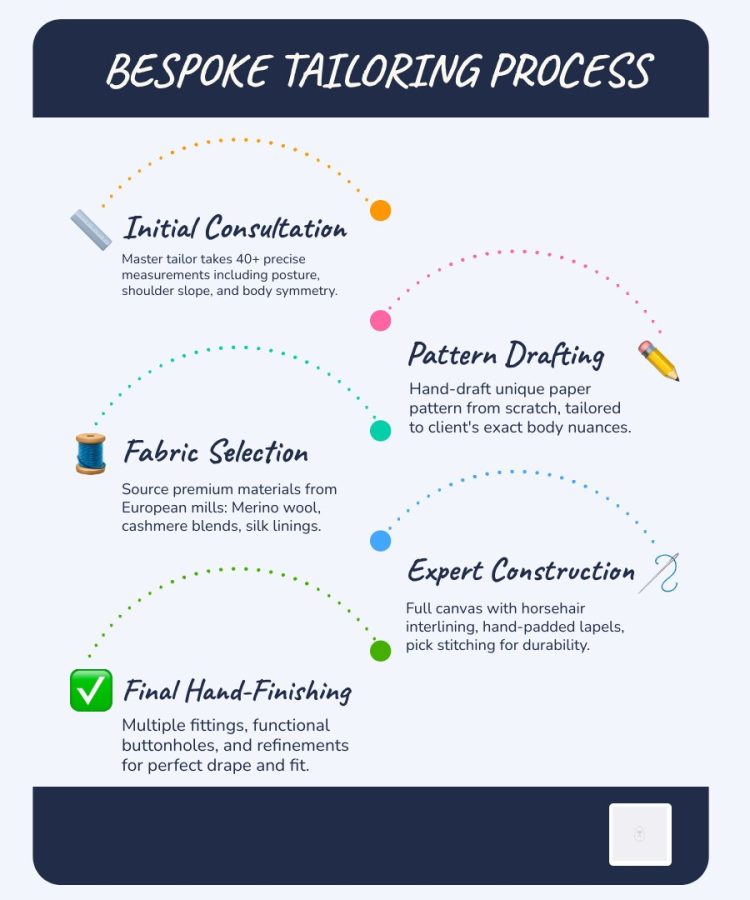
At the heart of bespoke craftsmanship lies the creation of a unique paper pattern. Unlike made-to-measure suits, which adapt an existing block pattern, a bespoke suit starts from a blank slate. A master tailor drafts a completely new pattern based on the client’s precise measurements and unique bodily nuances. This intricate process involves taking upwards of 40 individual measurements, far exceeding the typical 10-15 measurements for a made-to-measure garment. These aren’t just circumference and length measurements; they delve into the subtle intricacies of the human form.
Considerations such as posture analysis are paramount. A tailor observes how a client naturally stands, noting any forward lean, backward arch, or asymmetry. This informs how the pattern will be cut to ensure the garment drapes perfectly, rather than pulling or creasing in unnatural ways. Similarly, shoulder slope is meticulously assessed. Few people have perfectly even shoulders, and a bespoke pattern accounts for these variations, ensuring the jacket sits smoothly without one side riding higher or lower. Body symmetry, or lack thereof, is also addressed, allowing the tailor to balance the garment to the individual’s form, creating an illusion of perfect equilibrium. This level of personalized attention is what elevates a bespoke suit from a mere garment to a second skin, perfectly contoured to the wearer.
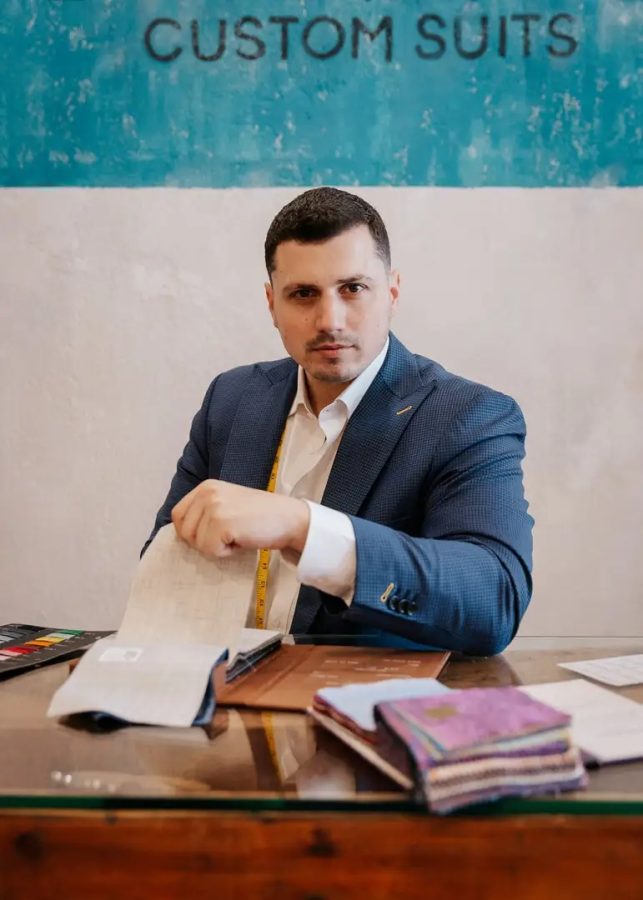
The selection of fabric is another cornerstone of bespoke tailoring. It’s not merely about choosing a color or pattern; it’s about understanding the provenance and properties of the material. Reputable bespoke tailors source their fabrics from the world’s most esteemed European mills, known for their centuries-old traditions of weaving excellence. These mills offer an unparalleled range of materials, from luxurious Merino wools, celebrated for their softness, breathability, and wrinkle resistance, to opulent cashmere blends that provide exceptional warmth and a sumptuous hand. Silk linings, chosen for their smooth feel against the skin and their elegant drape, further enhance the garment’s internal comfort and luxurious finish. The choice of fabric profoundly impacts the suit’s appearance, feel, and longevity, making it a critical decision guided by the tailor’s expertise and the client’s preferences.
The Technical Construction of High-End Tailoring
Beyond the initial measurements and fabric selection, the true artistry of bespoke menswear reveals itself in its technical construction. This is where the garment transcends mass-produced clothing, embodying structural integrity, natural drape, and unparalleled comfort. The most distinguishing feature of high-end tailoring is full canvas construction.
A full canvas suit incorporates a layer of horsehair canvas, meticulously hand-stitched between the outer fabric and the lining of the jacket. This canvas acts as the suit’s skeleton, providing crucial structural integrity. Over time, and with wear, the canvas molds to the wearer’s body, creating a personalized fit that improves with age. This contrasts sharply with fused construction, where an interlining is glued to the outer fabric. Fused suits often appear stiff, can bubble or delaminate over time, and lack the natural, fluid drape of a canvas-constructed garment. The horsehair interlining allows the fabric to breathe, preventing the suit from feeling stifling and contributing to its overall comfort.
Another hallmark of superior craftsmanship is the hand-padded lapel. This involves stitching the canvas to the lapel fabric with hundreds of tiny, invisible stitches. This painstaking process gives the lapel a soft, natural roll that cannot be replicated by machine. It allows the lapel to gracefully curve, adding a dimension of elegance and sophistication to the jacket. Functional buttonholes, often referred to as “surgeon’s cuffs,” are another indicator of quality. While many off-the-rack suits feature decorative, non-functional buttonholes, bespoke suits typically have buttonholes that can be unbuttoned, showcasing the tailor’s attention to detail and the garment’s custom nature.
Feature Bespoke Made-to-Measure Off-the-Rack Pattern Unique, hand-drafted from scratch Modified existing block pattern Standardized, pre-made sizes Measurements 30-40+ unique measurements 10-15 standard measurements Chest, waist, length (general) Fittings 2-4 basted and final fittings 1-2 fittings (often final adjustments) Minimal to no fitting Construction Full canvas, extensive hand-stitching Half canvas or fused, machine-stitched Fused, machine-stitched Personalization Unlimited, every detail customized Limited to fabric, lining, basic style Very limited (e.g., pant hem) Timeline 8-12+ weeks 4-6 weeks Immediate purchase Price Range High ($3,500 – $10,000+) Mid ($1,000 – $3,500) Low ($100 – $1,000) Table: Comparing Bespoke, Made-to-Measure, and Off-the-Rack Construction Methods
Further details that signify bespoke quality include pick stitching along the lapels and pockets, a subtle decorative stitch that also helps secure the edges and prevent rolling. Reinforced seams, particularly in high-stress areas like the armholes and crotch, ensure the garment’s durability and longevity. These elements, though often unseen, are integral to the suit’s overall quality, comfort, and ability to withstand the test of time, making it a true investment rather than a fleeting purchase.
Navigating the Custom Wedding Suit Process
Choosing a custom wedding suit is a significant decision, and navigating the process requires thoughtful planning to ensure perfection for your special day. The timeline is crucial, and we generally recommend initiating the process at least six months before your wedding date. This generous window allows ample time for consultations, fabric selection, multiple fittings, and any necessary alterations, ensuring a stress-free experience.
One of the unique advantages of custom tailoring for weddings is the ability to coordinate groomsmen’s attire seamlessly. Whether you envision matching suits for a unified look or individual styles that complement a cohesive aesthetic, a custom clothier can bring your vision to life. This ensures that the entire wedding party looks impeccably dressed, creating stunning photographs and a harmonious visual presentation.
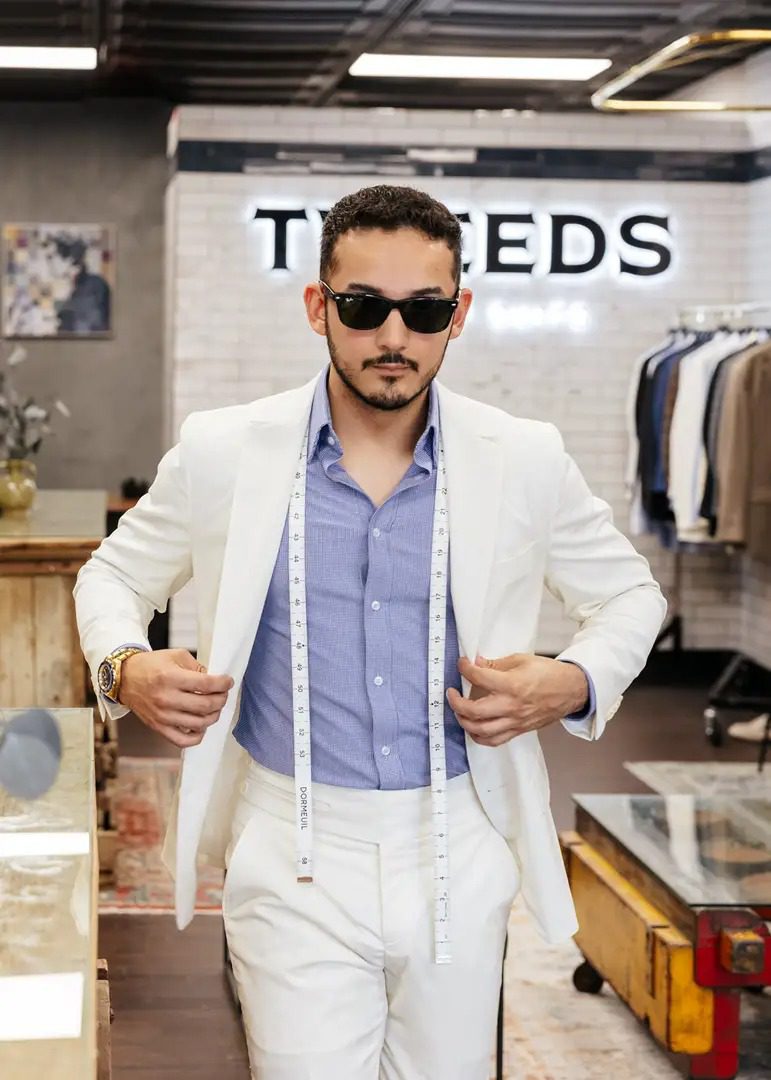
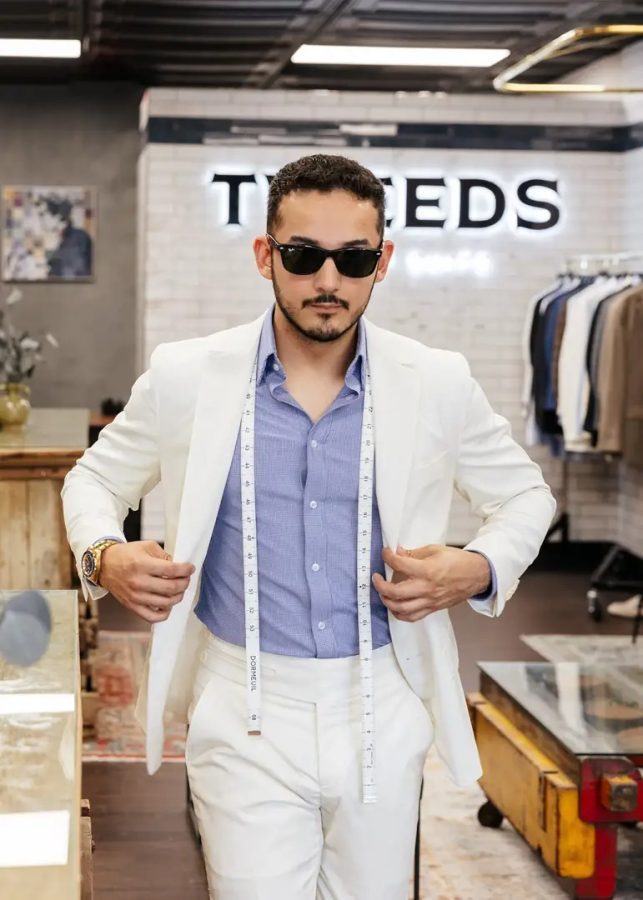
When it comes to securing your ideal wedding attire, understanding the guarantees offered by your custom suit provider is paramount. A comprehensive bespoke custom suits guarantee offers peace of mind, covering aspects from the precision of the fit to the quality of materials and timely delivery. For a deeper understanding of what such a guarantee entails and how it protects your investment, you might want to explore resources like the offerings at Tweeds Custom Suits. This ensures that every aspect of your custom wedding suit, from the initial measurements to the final delivery, meets the highest standards.
Fabric selection also plays a vital role, especially when considering the season and location of your wedding. Lighter weight wools, linens, or cotton blends are ideal for warmer climates or summer weddings, offering breathability and comfort. For cooler seasons or more formal affairs, heavier wools or luxurious blends like cashmere provide warmth and a richer drape. Beyond traditional suits, custom options extend to formal tuxedos for black-tie events or elegant morning coats for daytime formal weddings, allowing for complete adherence to your wedding’s style and formality.
Personal touches, such as monogramming, add a unique and memorable element to your wedding suit. Embroidering your initials, wedding date, or a special message inside the jacket serves as a cherished memento of your big day. These details are part of the bespoke experience, making your suit truly one-of-a-kind.
Why a Fit Guarantee is Essential for Bespoke Menswear
In the realm of custom tailoring, particularly for an event as significant as a wedding, a robust fit guarantee is not merely a perk—it’s an essential promise. It underpins client confidence, assuring that the substantial investment in a bespoke suit will yield a garment that fits flawlessly. Given the intricate nature of custom measurements and the human body’s subtle variations, achieving a perfect fit on the first try, while often the goal, isn’t always guaranteed without further refinement.
A comprehensive fit guarantee typically includes precision adjustments. This means that if, upon the initial try-on, any aspect of the suit doesn’t meet the promised perfect fit, the tailor commits to making the necessary alterations. These adjustments can range from minor tweaks to the sleeve length or trouser hem to more complex modifications involving the jacket’s chest or waist. The goal is always to achieve that “second skin” feel that bespoke tailoring is renowned for.
Satisfaction policies are closely tied to fit guarantees. These policies ensure that the client is genuinely happy with the final product. If, after initial alterations, the fit is still not up to standard, the guarantee might extend to further rounds of adjustments or, in rare cases where a garment is deemed “untailorable” due to significant issues, a complete remake. This level of post-delivery support is crucial, especially when dealing with the time-sensitive nature of a wedding.
Providers typically specify an alteration window, often a period of 21 to 30 days after receipt of the garment, during which clients can report any fit issues. This allows sufficient time to try on the suit, assess its comfort and drape, and identify any areas requiring attention. Expert consultations are usually part of this process, with the tailor guiding the client through the assessment and recommending the best course of action. It’s important to clarify what the guarantee covers—for instance, whether it includes minor adjustments, major alterations, or remakes, and under what conditions. Some guarantees may cover weight fluctuations within a certain range, while others might exclude changes due to significant weight gain or loss. Understanding these nuances upfront ensures there are no surprises and that your wedding suit will be absolutely perfect.
Ensuring Longevity and Investment Value
A custom suit, particularly a bespoke one, is more than just an article of clothing; it’s an investment. Understanding its longevity and how to maximize its value is key to appreciating the true return on investment (ROI) it offers. Unlike fast fashion, a well-crafted custom suit is built to last, often boasting a lifespan of 10 years or more with proper care. This makes it a sustainable choice and a foundational piece for any discerning wardrobe.
The concept of wardrobe ROI extends beyond mere durability. A perfectly fitting custom suit projects an image of professionalism, confidence, and attention to detail. This can translate into tangible benefits, such as making a stronger impression in business settings or feeling more assured at significant life events. It’s a form of personal branding, enhancing how you are perceived and how you perceive yourself.
To achieve this impressive garment durability, several factors contribute. The use of high-quality fabrics from renowned mills, combined with robust construction methods like full canvas, are paramount. Hand-stitching techniques, which allow for greater flexibility and resilience, also play a crucial role in preventing wear and tear. However, even the finest construction requires diligent care.
Proper suit care is essential for extending the life of your custom garment. Regular steaming, rather than frequent dry cleaning, is recommended. Steaming helps to relax the fabric fibers, remove minor wrinkles, and refresh the garment without exposing it to harsh chemicals. Dry cleaning should be reserved for stains or when the suit genuinely needs a thorough cleaning, typically no more than once or twice a year.
When not in use, always hang your suit on a wide-shoulder cedar hanger. Cedar naturally repels moths and absorbs moisture, while the wide shoulders maintain the jacket’s shape, preventing distortion. Allowing the suit to rest for at least 24 hours between wears, especially for wool garments, enables the fibers to recover and shed wrinkles. This practice of seasonal storage and rotation contributes significantly to the fabric’s recovery and overall longevity. By investing in quality and committing to proper care, your custom suit becomes a cornerstone of a sustainable fashion cycle, offering enduring style and value for years to come.
Frequently Asked Questions about Bespoke Menswear
Navigating bespoke menswear can raise several questions, especially for those new to custom tailoring. Here, we address some of the most common inquiries to provide clarity and confidence as you embark on your journey.
How long does the bespoke menswear process typically take?
The production timeline for a bespoke suit is a reflection of the meticulous craftsmanship involved. Generally, the process can take anywhere from 8 to 12 weeks, though some tailors may complete it in 4-6 weeks for made-to-measure or custom suits. This timeframe accommodates multiple fitting sessions, which are crucial for perfecting the fit. A key stage is the basted try-on, where the suit is temporarily stitched together, allowing for significant adjustments before final construction. Shipping and logistics also play a role, especially if fabrics or components are sourced internationally. While rush order considerations can sometimes expedite the process for an additional fee, it’s always advisable to allow ample time, particularly for significant events like weddings, to avoid compromising on quality or adding unnecessary stress.
What is the difference between bespoke and made-to-measure?
This is a frequently asked question that often causes confusion. The core difference lies in the pattern creation and construction methods. Bespoke tailoring involves drafting a completely new, unique pattern from scratch for each client. This pattern is based on extensive measurements and a detailed understanding of the client’s posture and body shape. The construction heavily relies on hand-sewing, particularly for critical elements like the canvas, lapels, and buttonholes, allowing for unparalleled flexibility and a molded fit.
Made-to-measure, on the other hand, starts with a pre-existing block pattern that is then modified to fit the client’s measurements. While it offers a significant improvement over off-the-rack, it doesn’t involve the same degree of pattern creation or handcrafting. Machine construction is more prevalent in made-to-measure. Consequently, the fitting frequency differs, with bespoke typically requiring 2-4 fittings (including basted try-ons), while made-to-measure usually involves 1-2 fittings for final adjustments. This distinction impacts the level of personalization and, naturally, the price point variances, with bespoke being the more premium option due to its labor-intensive nature and superior fit.
Are alterations included in a custom suit purchase?
Most reputable custom suit providers, especially those offering wedding suits, include alterations as part of their fit guarantee coverage. This ensures that the garment achieves its promised perfect fit. Minor adjustments, such as hemming trousers, adjusting sleeve length, or taking in the waist of a jacket, are typically covered without additional cost. These are standard refinements made after the initial try-on to fine-tune the fit to your exact preferences.
Some guarantees also account for minor weight fluctuation allowances, understanding that a client’s body might change slightly between the initial measurement and the final fitting. However, significant weight changes might fall outside the scope of complimentary alterations and could incur additional charges. It’s crucial to clarify the specifics of the remake policies for untailorable garments. In rare instances where a custom suit has a fundamental fit issue that cannot be corrected through standard alterations, a reputable provider’s guarantee might include remaking the garment entirely. Always review the detailed terms of the fit guarantee with your chosen custom clothier to understand what is covered and for how long after receiving your suit.
Conclusion
The journey into bespoke menswear is an exploration of craftsmanship, precision, and personal expression. It’s a testament to a legacy of tailoring that values meticulous detail and an unwavering commitment to the individual. A custom wedding suit, in particular, represents more than just attire; it’s a carefully constructed garment designed to imbue confidence and elegance on one of life’s most significant occasions.
By understanding the unique paper patterns, the intensive measurement process, and the superior technical construction methods like full canvas, we gain insight into what truly sets bespoke apart. These elements combine to create a wardrobe foundation that is both timeless and sophisticated, offering a fit and feel that off-the-rack garments simply cannot replicate.
The intersection of tradition and modern style is beautifully captured in bespoke tailoring. While honoring centuries-old techniques, contemporary bespoke tailors also embrace innovative fabrics and designs, ensuring that each suit is both classic and relevant. This approach embodies the philosophy of investing in quality over quantity, choosing garments that will not only last for years but also remain stylish and perfectly fitting throughout their lifespan.
The final fitting perfection achieved with a custom wedding suit is the culmination of this intricate process. It’s the moment when all the measurements, fabric choices, and hand-stitched details come together to create a garment that feels like an extension of yourself. This guide aimed to demystify the custom wedding suit guarantee, empowering you to make an informed choice and step into your wedding day with unparalleled confidence and style.