
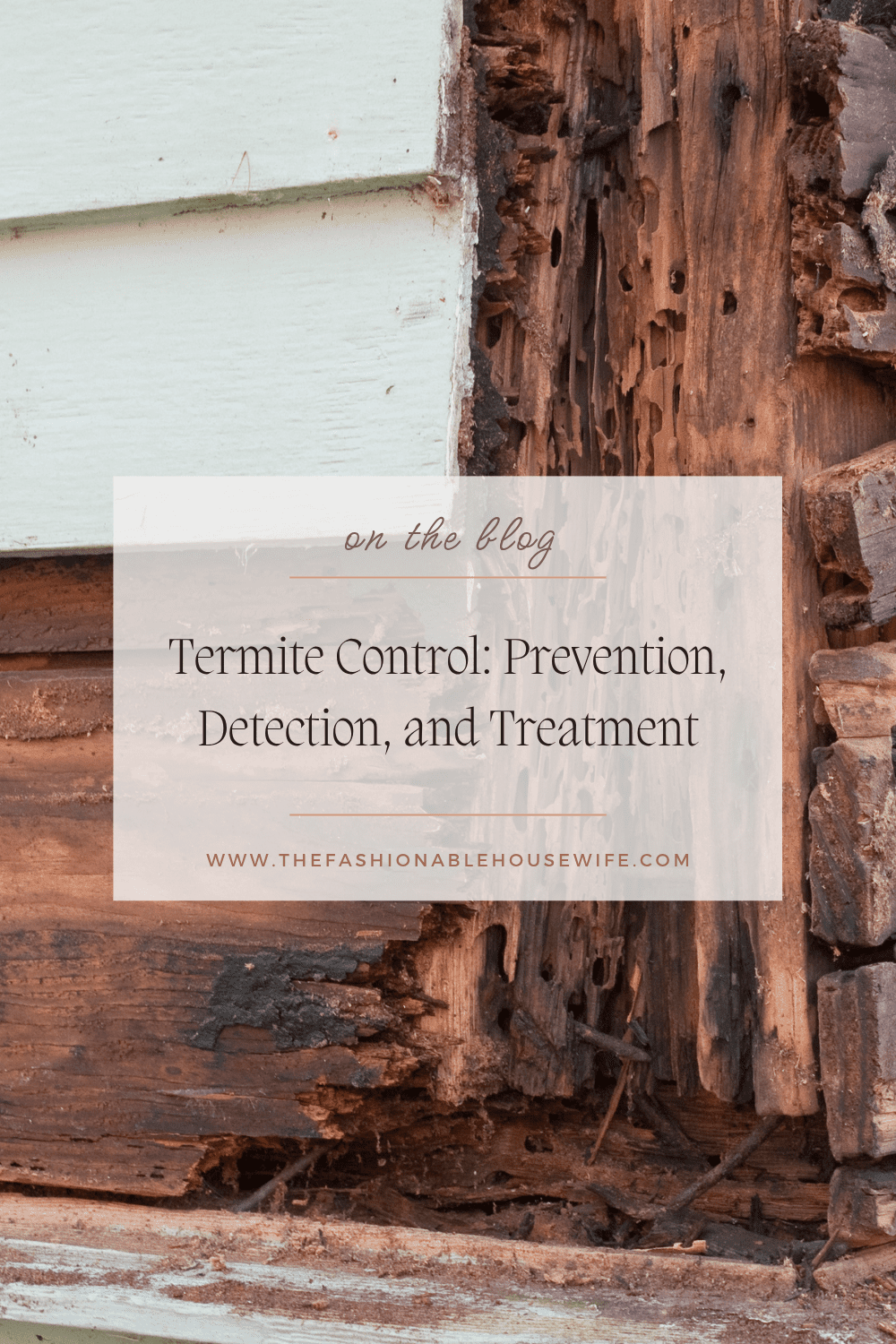
Termite Control: Prevention, Detection, and Treatment
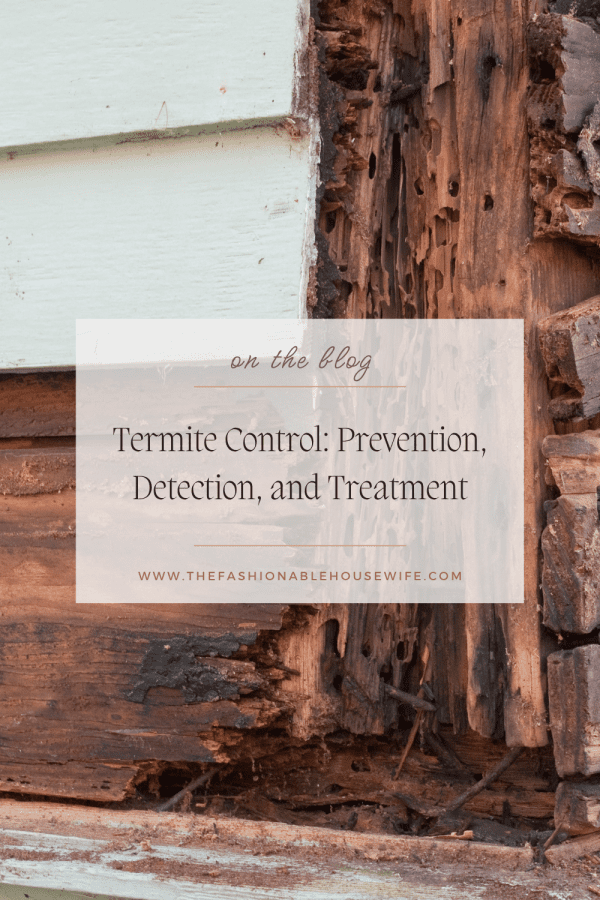
Termites, often called the “silent destroyers,” can inflict significant damage to homes and buildings if not adequately managed. These social insects feed on cellulose-based materials, which unfortunately includes the wood structures that make up many homes. Effective termite control involves a comprehensive approach that includes prevention, detection, and treatment strategies. This article delves into the nuances of each component to help homeowners protect their properties from termite infestations.
Prevention
Preventing a termite infestation is the first line of defense for a homeowner. One of the most effective prevention strategies is to eliminate any conditions conducive to termite activity. This includes reducing moisture levels around the home, as termites are attracted to moisture.
Homeowners should ensure that gutters and downspouts direct water away from the foundation. Repairing leaks in faucets, pipes, and air conditioning units is also crucial. Additionally, proper ventilation in crawl spaces and attics can help keep these areas dry.
Another preventative measure is to maintain a gap between the soil and wooden parts of the building. This can be achieved by keeping a minimum of 18 inches between the ground and wooden structures. Regularly inspecting the foundation for cracks and sealing them can also deter termites from entering the home.
Detection
Early detection is critical in termite control because it can prevent extensive damage and reduce treatment costs. Homeowners should be aware of the signs of a termite infestation. These signs include mud tubes on exterior walls, hollow-sounding wood, and discarded wings from swarmers (reproductive termites).
Regular inspections by a professional pest control service can significantly enhance detection efforts. These experts have the experience and tools to identify even subtle signs of termites that untrained eyes might overlook. Advances in technology, such as infrared cameras and moisture meters, have also improved the accuracy of termite detection.
Treatment
If termites are already present, treatment becomes necessary. There are several treatment options available, each with its own advantages and considerations.
Liquid Termiticides: These are chemical treatments applied to the soil around a building’s foundation to create a chemical barrier that deters termites.
Bait Systems: These involve placing bait stations around the property. Termites consume the bait and carry it back to the colony, effectively eliminating it over time.
Fumigation: This involves enclosing the structure and introducing a fumigant gas that permeates the entire building, killing termites and other pests.
Choosing the right treatment depends on the severity of the infestation, the type of termites present, and the location of the infestation within the home. Consulting with a pest control professional can provide guidance tailored to the specific situation.
Conclusion
Termite control is a crucial aspect of home maintenance that involves a combination of prevention, detection, and treatment strategies. By taking proactive steps to prevent infestations, regularly inspecting properties for signs of termites, and utilizing effective treatment options when necessary, homeowners can protect their investments from the costly damage that termites can cause.
For those interested in learning more about pest control, including other pests such as mosquitoes, consider exploring Mosquito Control solutions.