
Sustainable Choices for Transforming Outdoor Spaces
Key Takeaways
- Utilize recycled and natural materials for construction and decor.
- Incorporate native plants to support local ecosystems.
- Implement water-conservation techniques such as rain barrels and drip irrigation.
- Design with energy efficiency in mind, using solar-powered lighting.
- Encourage biodiversity by creating habitats for local wildlife.
Today’s homeowners are increasingly seeking ways to transform their outdoor areas into havens that support both environmental goals and lifestyle aspirations. By weaving sustainability into your landscape, everything from deciding on hardscape materials to implementing comprehensive water-saving strategies, your space can become both stunning and responsible. For those considering shade solutions that blend beauty with environmental efficiency, custom patio covers offer a practical way to protect outdoor areas while enhancing energy efficiency and reducing resource use.
Eco-friendly landscapes go far beyond the latest trends or minimal maintenance. They rely on thoughtful design, quality materials, and a commitment to the local ecosystem. Integrating sustainable practices not only reduces your carbon footprint but also supports healthier soil, wildlife populations, and even personal well-being.
Choosing Sustainable Materials
When planning new outdoor features, materials are a major consideration. Reclaimed wood, recycled plastic lumber, and natural stone have far less environmental impact than virgin or synthetic options. Beyond diverting materials from landfills, their varied textures and tones lend unique character to features such as patios, walkways, and garden borders. If you choose weathered brick or stone, you introduce an organic elegance while aligning with low-impact landscaping practices. Citing best practices outlined in Architectural Digest’s guide to sustainable landscaping can provide inspiration and further education on sourcing these materials responsibly.
Planting Native Flora
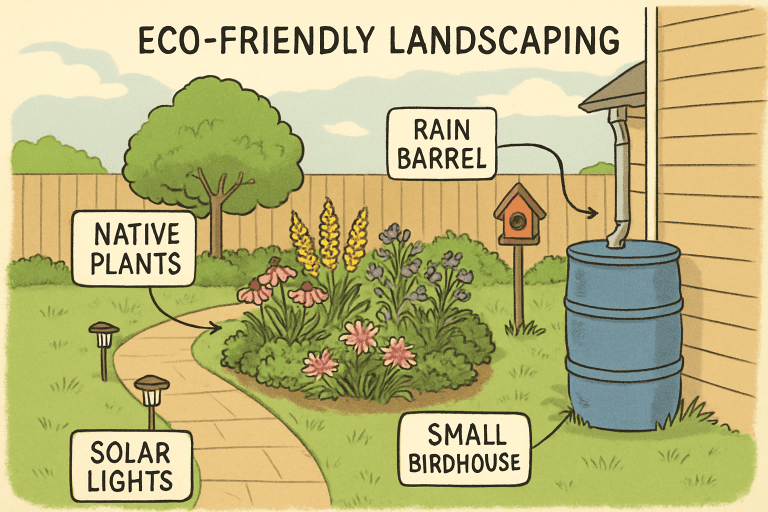
Native plants are foundational to environmentally healthy backyards. Plants native to your region are best suited to the local climate and soil, so they thrive with less water, fertilizer, or pesticide assistance. In return, these plants provide essential food and shelter to indigenous birds, pollinators, and other wildlife, increasing biodiversity within your outdoor retreat.
Water Conservation Techniques
Modern landscaping often hinges on its water efficiency. Simple interventions include installing rain barrels to collect roof runoff, which can then be used to water gardens or container plants. Drip irrigation delivers small amounts of water directly to roots, reducing evaporation. Pair this system with mulch to retain soil moisture and minimize weed growth, ensuring every drop is used effectively.
Energy-Efficient Lighting
Solar-powered outdoor lighting is another cornerstone of sustainable space design. Solar lights charge throughout the day and require no grid electricity, creating safe, inviting pathways after dark with zero recurring energy costs. Adding motion sensors further ensures lights come on only when needed, vastly reducing energy waste and light pollution while supporting nocturnal wildlife activity.
For larger or more heavily used areas, consider integrating energy-efficient LED lighting, which lasts longer and consumes less power than traditional bulbs. According to Energy.gov’s guide to LED lighting, you can achieve substantial savings in both outdoor and indoor settings by making this shift.
Creating Wildlife Habitats
You can easily encourage wildlife by adding features that provide food, water, and shelter for insects, birds, and butterflies. Bird feeders, bee houses, and native flowering plants attract pollinators, while water features, such as shallow basins, provide birds with a reliable drink during summer. Shrubs, brush piles, or small woodpiles also offer hiding and nesting spaces, encouraging beneficial species to call your garden home.
Composting and Soil Health
Composting is an invaluable practice for closing the waste loop and bolstering the health of your outdoor spaces. By recycling food scraps, grass clippings, and pruned plant material, you generate rich organic matter that enhances soil structure and fertility. Healthy soil improves water retention and plant growth, resulting in a lusher garden with fewer chemical amendments. Composting also significantly reduces household waste sent to landfills, making it a key strategy for any sustainable landscape.
Designing for Climate Resilience
As climate patterns shift, resilience becomes vital in landscape design. Think beyond plant selection to include features like permeable paving, which allows water to soak into the ground, reducing runoff and helping recharge groundwater supplies. Green roofs or wall plantings provide shade, insulate buildings, and help combat heat island effects in urban or suburban areas. Thoughtful garden zoning, with windbreaks or shade trees in strategic areas, can also buffer temperature swings and make outdoor living more comfortable during heatwaves or storms.
Final Thoughts
Reimagining your outdoor environment with sustainability at the fore creates lasting benefits for your family, your community, and the planet. By opting for recycled materials, conserving water, enhancing energy efficiency, and supporting wildlife, you help create a sanctuary that merges beauty and responsibility. Every sustainable choice, even small ones like lawn care, contributes to a more vibrant, resilient, and eco-conscious future, one garden at a time.