Smarter Home Plumbing: Modern Solutions for Efficiency, Comfort, and Sustainability
Table of Contents
- Introduction
- Low-Flow Fixtures: Saving Water Without Sacrificing Performance
- Tankless Water Heaters: On-Demand Efficiency
- PEX Piping: Flexible and Energy-Efficient
- Hydronic Heating Systems: Consistent Warmth and Energy Savings
- Smart Leak Detection: Preventing Water Waste and Damage
- Thermostatic Mixing Valves: Enhancing Safety and Efficiency
- Right-Sizing Pipes: Optimizing Flow and Reducing Costs
- Conclusion
Modern plumbing goes far beyond connecting pipes and fixtures. Today’s homeowners and builders are investing in advanced systems that add value, improve efficiency, and provide peace of mind for every property. From intelligent water-saving devices to improved piping materials, the plumbing choices you make now can transform how your home functions for the long term. Whether upgrading an aging system or designing for a new build, these innovations save resources, boost property value, and support eco-friendly living. If you encounter issues like leaks or burst pipes, it’s crucial to have professionals you can count on to turn to emergency burst pipe repair plumbers in Utah to protect your investment quickly and reliably.
The latest plumbing technologies are not only about convenience. They are designed to strengthen your home’s foundation, providing years of worry-free comfort and energy savings. With new materials and connected devices, plumbing upgrades are more intelligent and more impactful than ever. What you do behind the walls and under the floors can make a remarkable difference in water use, heating costs, and everyday convenience.
Every homeowner benefits from a plumbing system tailored to modern lifestyles. With efficient fixtures and forward-thinking design, your daily routines become easier, safer, and less wasteful. These advantages go beyond personal comfort. They also help to conserve precious natural resources and keep monthly bills in check.
Plumbing professionals today offer much more than repairs. Their expertise in new products, installation methods, and whole-home efficiency strategies brings lasting benefits that pay back for years. Curious about the best options for your needs? Read on to discover which upgrades make the most sense for your project.
Low-Flow Fixtures: Saving Water Without Sacrificing Performance
One of the most accessible ways to conserve water is by installing low-flow faucets, toilets, and showerheads. Modern low-flow technology is engineered to save water while maintaining strong and satisfying water pressure. For example, a low-flow showerhead can reduce water use from the standard 2.5 gallons per minute to 1.5 gallons per minute, without degrading comfort. Water-saving faucets and high-efficiency toilets that use just 1.28 gallons per flush or less provide additional savings for your wallet and the environment.
- Low-flow showerheads: Lower water use, similar or better shower experience.
- Low-flow faucets: Efficient for kitchens and bathrooms without skimping on pressure.
- Water-efficient toilets: Dramatically reduced consumption versus outdated models.
Over the course of a year, these upgrades can collectively save thousands of gallons of water in a single household. To ensure proper installation and maximum savings, work with a licensed professional. The EPA’s WaterSense program offers helpful guidance and certified product listings.
Tankless Water Heaters: On-Demand Efficiency
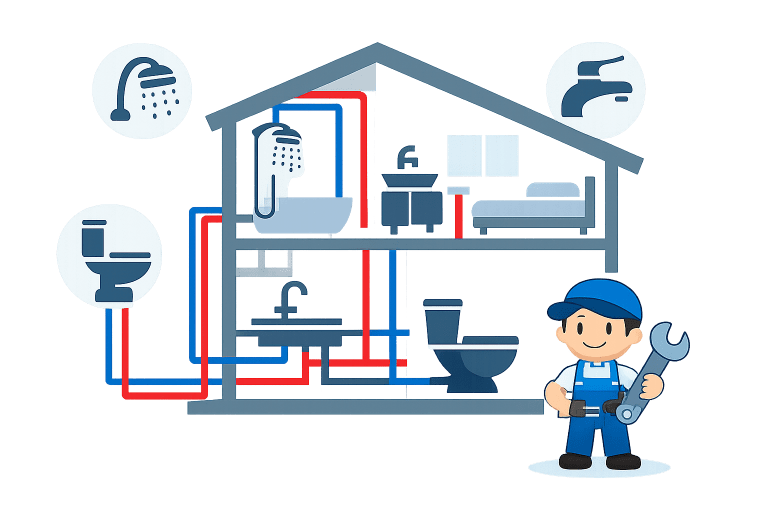
Traditional water heaters consume energy to keep a full tank of water hot, 24/7, an inefficient approach for most households. Tankless water heaters, on the other hand, heat water exactly when you need it. This not only reduces your home’s energy footprint but also supplies endless hot water for showers, laundry, and dishwashing. Additional benefits include longer equipment lifespan, space savings, and reduced risk of water damage from tank leaks. Professional installation is recommended because upgrades may involve changes to gas supply lines, venting, or electrical connections.
- Unlimited hot water never runs out, even with back-to-back showers.
- Lower energy bills by avoiding standby heating losses.
- More compact than tank-style heaters, creating extra storage space.
- The potential for up to 20 years of reliable performance.
PEX Piping: Flexible and Energy-Efficient
PEX piping has quickly become the standard for new plumbing installations. Its flexibility allows for quick, cost-effective layout changes, fewer connections, and reduced risk of leaks. PEX pipes also insulate water better than metal pipes, helping retain heat, reduce energy losses, and improve overall system efficiency. With a smooth interior, PEX minimizes friction, delivering water fast and at full pressure to all fixtures. These properties set the stage for reliable performance, reduced repair needs, and energy-efficient operation in both new construction and retrofit projects.
Hydronic Heating Systems: Consistent Warmth and Energy Savings
Hydronic heating provides radiant warmth by circulating heated water through pipes under floors or along baseboards. These systems create a highly comfortable indoor environment — radiant heating feels natural and balanced, with fewer drafts and more even temperatures. They are especially popular in northern climates where efficiency matters most. Hydronic systems can also double as household hot water systems, making them a flexible, integrated approach to both heating and domestic hot water needs. Hydronic systems are among the most efficient and comfortable choices for whole-home heating.
Smart Leak Detection: Preventing Water Waste and Damage
Water leaks can be silent but devastating, wasting significant amounts of water and causing costly property damage. Smart leak detectors use sensors to detect drips, leaks, or abnormal water usage in real time. These devices can send instant alerts to your phone and, when paired with automatic shut-off valves, stop the flow before a minor issue turns catastrophic. Early detection helps prevent both water waste and expensive repairs, making smart leak systems a wise investment for homes, new and old.
Thermostatic Mixing Valves: Enhancing Safety and Efficiency
Thermostatic mixing valves (TMVs) precisely control hot water temperatures throughout the home, preventing scalding and ensuring safer water use. Particularly important for families with children or seniors, TMVs keep bath and shower water safely within a comfortable range. They also increase water heater efficiency by allowing the heater to store water at a higher temperature—reducing the risk of bacterial growth—then blending it with colder water for safe delivery at taps.
Right-Sizing Pipes: Optimizing Flow and Reducing Costs
Traditional plumbing systems were often built with oversized pipes. While bigger pipes may seem like a precautionary measure, they actually increase material costs, waste more water, and reduce efficiency. Right-sizing means selecting pipes that match actual household demand, cutting construction costs by hundreds or even thousands. Smaller pipes hold less water, which means hot water reaches the tap faster and less water goes down the drain while you wait for it to warm up. This approach improves both comfort and resource savings, an approach increasingly recommended by efficiency-focused building codes and industry experts.
Conclusion
Strategic upgrades to your home’s plumbing system deliver immediate and ongoing benefits: lower utility bills, increased comfort, improved safety, and greater environmental responsibility. Innovations ranging from low-flow fixtures to smart leak prevention put you in control of energy and water use. Building or renovating with these smart solutions ensures that your investment results in a home that’s modern, efficient, and ready for the future.