
Smart AC Maintenance Tips for Energy-Efficient Homes
Table of Contents
- Introducing AC Maintenance Tips
- Regular Filter Replacement
- Schedule Professional Tune-Ups
- Install a Smart Thermostat
- Seal and Insulate Your Home
- Keep the Outdoor Unit Clear
- Use Ceiling Fans Wisely
- Monitor Refrigerant Levels
- Consider Upgrading to Energy-Efficient Units
Proper air conditioning (AC) maintenance is a cornerstone of energy-efficient home comfort. Homeowners seeking lower utility bills and a smaller environmental footprint should adopt best practices to ensure their cooling systems remain both effective and economical. By understanding what it takes to keep your AC running smoothly, you can avoid common issues that increase energy consumption and achieve meaningful savings over time. For Phoenix residents, finding the right local experts, such as Rite Way Phoenix can also make a big difference in the long-term performance of your system.
Routine upkeep doesn’t just help lower energy bills—it extends the lifespan of your AC unit, improves indoor air quality, and enables comfortable living year-round. As modern air conditioning technology evolves, integrating smart approaches like programmable thermostats and timely upgrades maximizes both comfort and efficiency. This comprehensive guide explores step-by-step strategies you can implement to elevate your home’s energy performance.
Regular Filter Replacement
Air filter maintenance is one of the simplest, most effective ways to boost AC efficiency. Clogged or dirty filters hinder airflow, causing the system to work harder and consume more electricity. Homeowners should check their AC filters monthly and replace them every 60–90 days, or even more frequently if there are pets or allergies in the home. According to the U.S. Department of Energy, clean filters can lower your AC’s energy consumption by five to fifteen percent while significantly improving air quality.
Schedule Professional Tune-Ups
Regular expert inspections ensure that every AC system component is operating at optimal levels. Licensed technicians check refrigerant charges, inspect for leaks, clean condenser and evaporator coils, and ensure electrical connections are functioning properly. Professional tune-ups can increase energy efficiency by up to 15% and help detect minor issues before they escalate, saving homeowners on expensive repairs down the road. Experts recommend booking annual checkups at the start of the cooling season.
Install a Smart Thermostat
Upgrading to a smart thermostat can prevent energy waste by allowing precise temperature control based on daily schedules or occupancy patterns. These devices can learn user habits and automatically adjust to optimize savings, allowing you to remotely control your home’s climate through mobile apps. With a smart thermostat, you can ensure your AC isn’t running when you’re away, and pre-cool your home efficiently before you return, a proven method supported by Consumer Reports.
Seal and Insulate Your Home
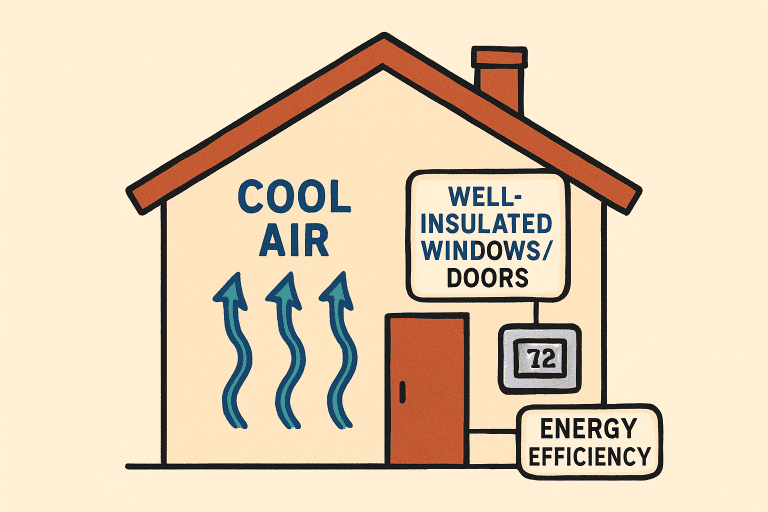
Unchecked drafts around windows, doors, attics, and crawlspaces undermine even the best AC systems. Air leaks force your unit to operate longer and harder, driving up costs. Use caulking and weatherstripping to seal leaks and upgrade insulation as necessary, especially if you live in an older home. Well-insulated homes retain cooled air and prevent warm outdoor air from entering, slashing AC load and utility expenses.
Proper insulation does more than just add comfort; it’s a vital step toward maximizing your AC’s potential and protecting your investment for years to come.
Keep the Outdoor Unit Clear
Your condenser unit relies on unobstructed airflow for efficient operation. Leaves, overgrown vegetation, debris, and even lawn furniture can block vents and strain the system. Ensure there’s at least two feet of clear space around your outdoor unit, and schedule seasonal cleanings to prevent overheating and improve efficiency. A well-maintained condenser prolongs the life of your unit and maintains peak performance.
Use Ceiling Fans Wisely
Fans don’t lower the room’s temperature, but they do circulate conditioned air, making rooms feel cooler. This allows you to set the thermostat a few degrees higher without sacrificing comfort. Make sure your ceiling fans are set to rotate counterclockwise in the summer to push cool air downward. By combining strategic fan use with your AC, you can enhance overall energy savings and comfort.
Monitor Refrigerant Levels
AC systems require the correct amount of refrigerant to run efficiently. Low refrigerant indicates leakage or undercharging, which reduces cooling capacity and may lead to compressor failure if left unresolved. Only licensed professionals should check and recharge your refrigerant levels. Addressing these issues promptly will not only restore efficiency but also prevent long-term, costly damage to your system.
Consider Upgrading to Energy-Efficient Units
Outdated AC systems are often energy hogs compared to modern alternatives. If your system is over a decade old, consider replacing it with a new ENERGY STAR-certified unit. These systems use up to 30% less energy and deliver reliable comfort even during the peak of the heat. In addition to cutting energy bills, upgrading also minimizes your ecological footprint—an important factor for eco-conscious homeowners.
Consistent AC maintenance and smart system upgrades ensure energy-efficient comfort for your household, lowering costs and enhancing indoor air quality. Prioritize the tips above to enjoy reliable cooling, a longer equipment lifespan, and a reduced environmental impact.