

Safe and Effective Approaches to Pain Relief Without Medication

Key Takeaways:
- Explore various non-pharmacological methods to manage pain effectively.
- Understand the benefits and applications of therapies like physical therapy, acupuncture, and mindfulness.
- Learn about recent advancements in non-opioid pain relief options.
Introduction
Pain relief is a crucial consideration for millions of individuals, whether they are recovering from an injury, experiencing chronic discomfort, or coping with conditions like arthritis. While medications can provide quick relief, many people are seeking alternative approaches that don’t carry the risks of dependency or adverse side effects. Non-pharmacological methods are gaining popularity as both stand-alone strategies and complementary options in integrated care settings such as ChiroCare of Florida.
Exploring these options can empower patients to manage their pain better and improve their overall quality of life. Integrated approaches emphasize long-term well-being, targeting the underlying causes of pain rather than simply masking symptoms. With awareness of these alternatives, individuals are better equipped to make informed decisions about pain management and achieve greater comfort in their daily lives. Healthcare professionals are increasingly recognizing the value of conservative care paths, encouraging patients to incorporate physical therapy, acupuncture, and mind-body practices into their daily routines.
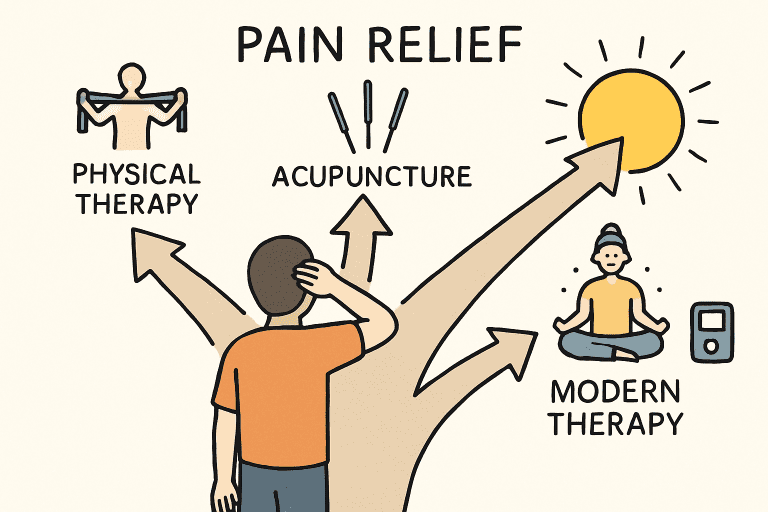
Physical Therapy: Building Strength and Flexibility
Physical therapy is widely recommended for pain relief because it addresses not just symptoms but also the root causes of discomfort and immobility. Skilled physical therapists work collaboratively with patients to develop individualized treatment plans tailored to their specific needs. These plans include targeted stretching, strengthening exercises, and manual manipulation techniques.
A key benefit of physical therapy is patient education. By arming individuals with proper movement strategies and self-management techniques, therapists reduce the likelihood of reinjury and empower patients for the long term. Evidence highlighted by the Mayo Clinic suggests that physical therapy can lead to significant pain reduction, especially for conditions like back pain, joint issues, and postsurgical recovery.
Acupuncture: Stimulating Natural Pain Relief
Acupuncture, rooted in Traditional Chinese Medicine, involves the insertion of tiny, sterile needles into specific points on the body believed to influence the flow of energy, or “qi.” Modern research suggests that acupuncture may stimulate the nervous system, releasing natural endorphins and neurochemicals that help mitigate pain. The National Institutes of Health recognizes acupuncture’s effectiveness, particularly for chronic low back pain, osteoarthritis, and migraines.
While the effectiveness of acupuncture can vary between individuals and conditions, many patients experience tangible improvements in pain, reduced inflammation, and improved well-being. Guidance from a licensed practitioner ensures safety and better therapeutic outcomes.
Mindfulness and Relaxation Techniques
Practices such as meditation, yoga, guided visualization, and deep breathing exercises are increasingly being adopted for the management of chronic pain. These techniques are rooted in the mind-body connection, helping individuals refocus their attention away from pain sensations and cultivate greater emotional resilience.
Mindfulness has been shown in clinical trials to reduce pain intensity and improve overall mood. For example, the renowned Johns Hopkins Medicine recommends mindfulness-based stress reduction (MBSR) for its ability to ease discomfort, decrease anxiety, and enhance quality of life for chronic pain sufferers. Regular practice can foster long-term improvement and sustainable relief.
Transcutaneous Electrical Nerve Stimulation (TENS)
Transcutaneous Electrical Nerve Stimulation (TENS) is a non-invasive therapy that uses a portable device to deliver mild electrical currents through electrodes placed on the skin. While the underlying mechanisms are still being studied, TENS therapy is thought to disrupt pain transmission signals and prompt the release of endorphins.
TENS is widely used for musculoskeletal pain, postoperative discomfort, and neuropathic pain. Although scientific studies yield mixed results regarding the efficacy of TENS, many patients find substantial relief with regular use. Proper guidance from a healthcare provider can help optimize its benefits and tailor the approach for individual needs.
Recent Advancements in Non-Opioid Pain Relief
The pain relief landscape is evolving as new therapies are developed and approved for use. In January 2025, the FDA introduced suzetrigine (marketed as Journavx by Vertex Pharmaceuticals), a breakthrough non-opioid medication for moderate-to-severe acute pain. Unlike opioids that act on the brain’s reward centers, suzetrigine blocks the sodium channel Nav1.8, targeting only pain-sensing neurons outside the brain.
This innovation greatly reduces the risk of addiction, positioning suzetrigine as a safer alternative for patients with acute pain who cannot tolerate or do not wish to use opioid medications. Ongoing developments like these signal a promising shift toward pain management strategies focused on effectiveness and safety.
Integrating Multiple Approaches
The most effective pain management strategies often involve a combination of therapies tailored to the patient’s needs. For example, integrating physical therapy with regular mindfulness practice can address both the physical and emotional components of pain, leading to more comprehensive relief than either method alone.
Coordination with healthcare providers is crucial in developing a personalized approach to pain relief. By combining multiple evidence-based interventions, individuals can achieve optimal results, minimize side effects, and experience improved overall functioning.
Final Thoughts
Safe, effective pain relief without medication is possible through an array of approaches that empower individuals to regain control over their discomfort. Whether through physical therapy, acupuncture, mindfulness, or new advancements in pain management, a proactive strategy can foster healing, resilience, and a better quality of life. Staying informed and engaging with trusted healthcare professionals will ensure optimal care and lasting relief.