Modern Window Treatment Trends: Elevate Your Home’s Style and Efficiency
Key Takeaways
- Contemporary window treatments balance modern aesthetics with enhanced energy efficiency.
- Smart, motorized options and eco-friendly materials are transforming how homeowners approach window coverings.
- Layering and customization ensure each space can be tailored for both style and function.
- Sustainability and minimalist design remain top priorities in today’s décor decisions.
Window treatments are no longer just finishing touches in modern homes. They have evolved into multifunctional elements that address style, privacy, and energy needs. Homeowners now consider window coverings for their aesthetic contributions as well as their practical contributions to comfort and sustainability. With advancements in both design and technology, options abound for those looking to transform their rooms. The right choice, such as custom energy efficient window treatments, can dramatically improve both the appearance and the efficiency of any living space.
Whether you are designing an open-concept loft or updating a family room, selecting window treatments involves more than matching fabrics or colors. Thoughtful selection ensures the coverings not only tie into your home’s decor but also manage light, reduce energy costs, and provide privacy at all hours. Integration with smart home features and the push toward sustainability have made window treatments a central consideration in home improvement projects.
When paired with cohesive wall colors and thoughtful finishes, today’s window coverings contribute to a harmonious atmosphere. For inspiration on pairing treatments with painted walls and architectural details, consider consulting resources on expert house painting finishes.
Embracing Smart and Motorized Blinds
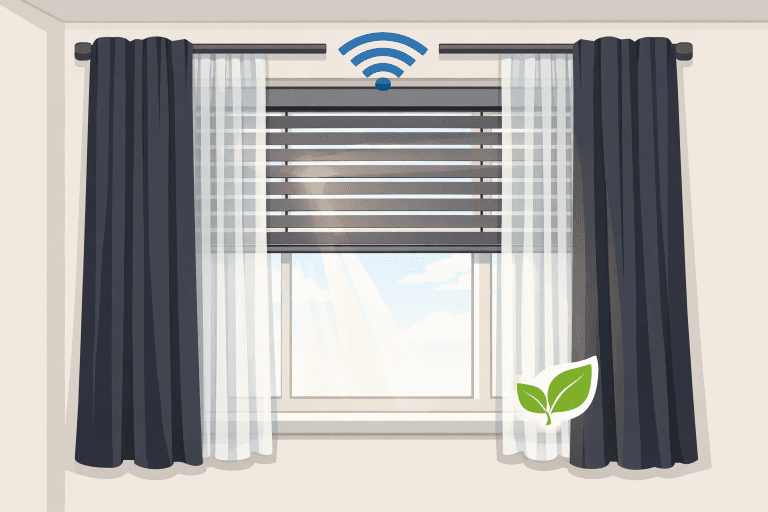
Technological innovations have revolutionized window treatments, making smart, motorized blinds a focal point of contemporary design. The ability to schedule blinds to open and close, adjust levels of natural light, and sync with home automation systems adds both convenience and efficiency. In bustling urban areas and smart homes, residents are opting for shades that can be controlled via voice commands or apps. This not only enhances comfort but can also reduce energy use by optimizing daylight. For more on the environmental impact of smart home technology, visit The New York Times.
Another exciting aspect of motorized window treatments is their capacity to boost accessibility for people with mobility challenges. Remote operation, programmable timers, and even integration with sunlight sensors help to create spaces that are inclusive and easy to manage, even when residents are away from home. Thanks to continued innovation in wireless technologies, installation is becoming more streamlined, making it feasible to retrofit existing homes as well as new builds. Furthermore, some solutions integrate with security systems to simulate occupancy, thereby deterring potential intruders while you’re traveling or at work.
Incorporating Natural Elements
Natural materials continue to shape modern interior design, with homeowners embracing woven-wood shades, bamboo blinds, and linen drapery to create spaces that feel warm, inviting, and connected to the outdoors. These organic textures pair beautifully with styles ranging from modern rustic to Scandinavian-inspired interiors. At the same time, the subtle variations and imperfections in natural fibers add character that synthetic materials often lack. This design philosophy can extend beyond interior furnishings as well, complementing durable home upgrades such as granite garage floor finishes, which bring the same balance of natural-inspired texture, timeless appeal, and refined craftsmanship to functional spaces throughout the home. Living rooms, bedrooms, and even transitional areas benefit from these thoughtful details, creating a cohesive environment rooted in comfort, style, and authenticity.
The integration of plant-based materials goes further when paired with biophilic design strategies, which aim to enhance well-being by reinforcing our connection to the natural world. For example, pairing woven wood shades with greenery or stone accents brings a sense of tranquility into the home. Earthy tones are particularly effective at grounding a space, serving as a calming backdrop for daily activities and gatherings alike.
Layering for Depth and Versatility
Layering is a versatile interior design strategy that combines two or more types of window treatments. Pairing light-filtering sheers with blackout drapes, for instance, provides both visual interest and flexible control over light and privacy. Homeowners can switch up the ambiance throughout the day: open sheers soften sunlight, while drawn drapes offer a cozy retreat in the evenings or during movie nights. Layering also gives you room to experiment with color palettes and textures, tying window coverings into the broader interior scheme. Additionally, strategic layering can help reduce noise, creating a more peaceful, restful environment by dampening external sounds, especially in urban homes.
Layered window treatments can also serve functional purposes that transcend aesthetics. For example, by combining cellular shades with heavy drapes, you can dramatically increase insulation and reduce both heating and cooling loads, especially in climates with dramatic temperature swings. Moreover, layering presents an opportunity to blend patterns and solids, achieving a dynamic yet cohesive look. It is also an effective solution for odd-sized or uniquely shaped windows, where off-the-shelf treatments may not meet all needs, but combining different elements ensures thorough coverage and a custom fit.
Eco-Friendly Materials and Sustainable Choices
Sustainability is a driving force behind many recent innovations in window treatments. More homeowners are opting for natural, eco-friendly materials such as bamboo, organic cotton, and linen. Recycled fabrics and materials treated with low-VOC dyes are increasingly accessible, reducing the environmental footprint of home décor. These natural textures not only contribute to an inviting, earthy ambiance but also reflect an intentional move toward healthier living spaces. Beyond their environmental benefits, these sustainable choices offer unique visual and tactile sensations that synthetic options cannot easily replicate. In addition, opting for local artisans or manufacturers can further lower the carbon footprint while supporting community businesses.
Another benefit of eco-friendly window treatments is their capacity to improve indoor air quality. Conventional drapes and synthetic materials sometimes emit VOCs (volatile organic compounds), but natural fibers and eco-conscious treatments minimize off-gassing, helping to create a healthier home environment. In addition, several companies now offer take-back or recycling programs for used shades and blinds, meaning your window treatments can remain sustainable at the end of their lifecycle as well.
Minimalist Designs with Maximum Impact
The appeal of minimalism continues to grow, with understated window treatments taking center stage in modern homes. Clean lines, functional hardware, and subtle shades are popular because they maintain an uncluttered look and underscore architectural features. Simplicity in form does not equate to a lack of character. On the contrary, minimalist treatments highlight quality craftsmanship and fine materials. When used strategically, they allow statement pieces of furniture or art to stand out without excess visual competition. For further reading on minimalist design principles, explore Architectural Digest. Homeowners who value simple beauty often find that these subtle choices can make a strong and lasting impression, even in the smallest spaces.
Minimalist window coverings are also celebrated for their adaptability. By avoiding ornate embellishments, they can integrate into a variety of interior design styles, from ultra-modern condos to mid-century renovations. With limited color palettes and discreet finishes, minimalist designs pair well with trending neutral wall colors, natural wood furnishings, and sleek metallics, making them a future-proof addition to any home.
Customization for Personalized Spaces
Personalized window coverings offer endless customization options. Selecting tailored fabrics, adjusting length and width, or opting for custom print designs means each treatment can be designed to meet specific needs and reflect the homeowner’s personality. This custom approach ensures window treatments work harmoniously with existing furnishings, architectural features, and the mood of each room. Homeowners increasingly prioritize uniqueness to make their living spaces authentically their own. Whether subtle or bold, bespoke window coverings allow for experimentation and true self-expression, ensuring each room feels thoughtfully curated.
Customization can extend to integrating blackout linings in bedrooms for better sleep, sound-dampening features in offices or media rooms, and special hardware finishes to coordinate with light fixtures and doorknobs. Furthermore, advances in digital printing have opened even more options; unique motifs or family monograms can be incorporated, providing a personal touch that cannot be replicated with ready-made products.
Energy Efficiency and Insulation
Energy efficiency is a crucial factor in today’s window treatment market. Cellular or honeycomb shades trap air within their rows of cells, creating a buffer that helps regulate indoor temperatures. Heavier drapes can insulate windows during winter, while reflective linings can prevent excess heat in summer. Choosing window coverings with insulating properties can increase comfort levels and reduce the need for artificial heating and cooling, resulting in lower energy bills and a smaller carbon footprint. In climates with extreme weather, these energy-efficient choices play a significant role in keeping homes consistently comfortable year-round.
It’s also important to consider how window treatments perform under different lighting conditions. For example, some fabrics are engineered to diffuse light and limit glare without significantly darkening a room. Others can block UV rays to protect interiors from fading or sun damage, a valuable advantage for homes with large windows or sunrooms. Ultimately, choosing energy-efficient window treatments isn’t just about lowering costs; it’s about maximizing comfort and protecting your investment in furnishings and art.
Conclusion
Modern window treatments are essential components of a well-designed home. With options ranging from motorized blinds to eco-friendly textiles and minimalist shades, there is a solution for every design preference and functional need. Smart technology, sustainable materials, and personalized designs ensure that today’s window coverings are as practical as they are stylish. By balancing aesthetics, efficiency, and individual taste, homeowners can create spaces that are both beautiful and beneficial for years to come. As trends and technology continue to evolve, staying informed can help you select solutions that align with both your design aspirations and your lifestyle requirements.