

Innovative Approaches to Treatment-Resistant Mental Health Conditions

Understanding the Landscape of Mental Health Therapy
Mental health therapy, often referred to as psychotherapy or talk therapy, serves as a cornerstone in addressing a wide array of psychological and emotional challenges. It provides a structured and supportive environment where individuals can explore their thoughts, feelings, and behaviors with a trained professional. The core of effective therapy lies not just in the techniques employed, but profoundly in the relationship built between the therapist and client. Studies consistently indicate that only about 15 percent of successful therapies are attributed to the specific model or technique a therapist uses; the most crucial factor remains the quality of the therapeutic relationship itself. This highlights the human element at the heart of healing, emphasizing trust, empathy, and collaboration.

When considering mental health therapy, understand its diverse applications and how it compares to other forms of intervention, such as medication. While both can be highly effective, they often serve different purposes and can complement each other. Therapy equips individuals with coping mechanisms and insights, fostering long-term behavioral and cognitive changes. Medication, on the other hand, can help manage symptoms, creating a physiological foundation that may make engaging in therapy more feasible.
Here’s a simplified comparison of psychotherapy and medication:
At its core, psychotherapy is a collaborative journey aimed at fostering emotional regulation, enhancing self-awareness, and developing healthier coping strategies. Through guided conversations, individuals learn to identify patterns of thinking and behavior that contribute to their distress. This process helps them gain insight into their specific issues and develop practical skills to manage challenges more effectively. The ultimate goal is to empower individuals to make lasting changes that improve their overall well-being and life satisfaction.
The benefits of engaging in mental health therapy are extensive and can profoundly impact an individual’s life. These include:
- Improved Emotional Regulation: Learning to understand, process, and manage intense emotions, reducing reactivity and promoting inner calm.
- Enhanced Coping Skills: Developing healthier strategies to deal with stress, anxiety, grief, and other life challenges, rather than relying on maladaptive behaviors.
- Greater Self-Awareness: Gaining more profound insight into one’s own motivations, beliefs, and patterns, leading to more intentional choices.
- Stronger Relationships: Improving communication skills, understanding relationship dynamics, and fostering healthier connections with others.
- Increased Resilience: Building the capacity to bounce back from adversity and navigate future difficulties with greater strength.
- Resolution of Past Trauma: Processing painful past experiences in a safe and supportive environment, leading to healing and reduced impact on present life.
- Reduced Symptoms of Mental Health Conditions: Significant alleviation of symptoms associated with depression, anxiety disorders, PTSD, and other conditions.
- Personal Growth and Fulfillment: Moving towards a more authentic and meaningful life, aligning actions with values and goals.
Psychotherapy can be a powerful tool for personal growth and healing, whether you are seeking support for specific mental health conditions or looking to enhance your overall well-being. Many institutions, such as the McGill Wellness Hub, offer diverse mental health support, including workshops and individual counseling, to help individuals build a personal wellness plan. You can learn more about available support and resources by following initiatives like @HealthierMcGill or by exploring comprehensive guides on the subject, such as the Mayo Clinic’s overview of Psychotherapy.
Evidence-Based Modalities in Mental Health Therapy
The field of mental health therapy is rich with a variety of evidence-based modalities, each offering unique approaches to address different needs and conditions. Understanding these various types can help individuals make informed decisions about which path might be most suitable for their journey.
One of the most widely recognized and extensively researched forms of mental health therapy is Cognitive Behavioral Therapy (CBT). CBT operates on the principle that our thoughts, feelings, and behaviors are interconnected. It helps individuals identify and challenge unhelpful thinking patterns (cognitive distortions) and learn new, more adaptive behaviors. CBT is as effective as, or even more effective than, other forms of psychological therapy or psychiatric medications for a range of problems, including depression, anxiety disorders, alcohol and drug use issues, marital problems, eating disorders, and severe mental illness. A 2006 study found that the cognitive and behavioral approaches used in psychotherapy have an enduring effect that reduces the risk of symptoms returning even after treatment ends. For a deeper dive into its mechanisms and benefits, Mayo Clinic offers a comprehensive overview. CBT generally includes fewer sessions than other types of therapy, typically ranging from 5 to 20 sessions, making it a relatively short-term, goal-oriented approach.
Another significant modality is Dialectical Behavior Therapy (DBT), which evolved from CBT. DBT emphasizes a balance between acceptance and change. It teaches skills in four key areas: mindfulness, distress tolerance, emotion regulation, and interpersonal effectiveness. Initially developed for individuals with borderline personality disorder, DBT has proven effective for a broader range of conditions involving emotional dysregulation, such as eating disorders, substance use disorders, and chronic suicidal ideation.
Psychodynamic Therapy delves into unconscious patterns and past experiences, particularly early childhood relationships, to understand how they influence current behavior and emotional states. While often longer-term than CBT, it also boasts long-term effects, with studies finding similar enduring benefits for psychodynamic psychotherapy in reducing symptom recurrence.
Beyond individual sessions, therapy can take various forms:
- Group Therapy: Involves one or more therapists working with several people simultaneously. It provides a supportive environment where individuals can share experiences, receive feedback, and realize they are not alone in their struggles.
- Family Therapy: Focuses on improving communication and resolving conflicts within family units. It’s often employed when a mental health condition affects the entire family system.
- Couple’s Therapy: Helps partners improve their relationship by addressing conflicts, enhancing communication, and fostering mutual understanding.
The advent of technology has also expanded access to mental health support through online therapy or teletherapy. This allows individuals to receive care remotely, which can be particularly beneficial for those in rural areas, with mobility issues, or who prefer the convenience of virtual sessions. Many student health plans now include access to virtual mental health services, such as CONVERSATION, which offer fast, confidential care.
Identifying Candidates for Specialized Mental Health Therapy
While traditional mental health therapy modalities like CBT, DBT, and psychodynamic therapy are highly effective for many, there are instances where individuals experience what is often termed “treatment-resistant” conditions. This doesn’t mean a person is untreatable; instead, it means conventional approaches haven’t yielded sufficient improvement, necessitating a pivot towards more specialized or innovative interventions.
Identifying candidates for specialized mental health therapy typically involves a thorough assessment of an individual’s history, symptom severity, previous treatment attempts, and overall well-being. Conditions commonly leading to consideration of specialized approaches include:
- Severe or Chronic Depression: When multiple antidepressant medications and courses of psychotherapy have failed to provide lasting relief.
- Intractable Anxiety Disorders: Including generalized anxiety disorder, panic disorder, social anxiety, or obsessive-compulsive disorder that remains debilitating despite standard care. For those grappling with specific anxiety disorders, specialized support groups and helplines, like Phobies-Zéro in Quebec, can offer targeted assistance.
- Complex Post-Traumatic Stress Disorder (PTSD): Especially when trauma is severe or prolonged, leading to symptoms that are difficult to manage with first-line treatments.
- Bipolar Disorder or Schizophrenia: While medication is often the primary treatment, specialized therapy can play a crucial role in symptom management, relapse prevention, and improving daily functioning.
- Eating Disorders often require a multidisciplinary approach due to their complex psychological and physiological components.
- Substance Use Disorders: Particularly when co-occurring with other mental health conditions, requiring integrated and specialized care.
For individuals facing these persistent challenges, the path to recovery often involves exploring advanced therapeutic options. This might include novel pharmacological treatments, neuromodulation techniques, or highly specialized forms of psychotherapy designed for complex cases. The goal is always to find the most effective combination of interventions to break the cycle of resistance and foster significant improvement. Accessing comprehensive, Research-based mental health therapy can be a critical step for those seeking to understand and explore these advanced options. These resources often provide insights into cutting-edge treatments and clinical trials that are pushing the boundaries of what’s possible in mental health care. In some regions, emerging options may also include ketamine-assisted approaches delivered in a clinical setting, which are typically paired with structured monitoring and integration-focused psychotherapy to support safety and durability of outcomes.
Treatment resistance is a clinical designation, not a personal failing. It signifies the need for a more tailored and often intensive approach. Exploring various Psychotherapies and consulting with specialists can open doors to new possibilities for healing and long-term wellness.
Navigating the Path to Recovery and Long-Term Wellness
Embarking on a journey towards mental health recovery and long-term wellness is a deeply personal and often challenging endeavor. It requires commitment, resilience, and the willingness to explore new avenues, especially when facing treatment-resistant conditions. The path isn’t always linear, but with the proper support and strategies, lasting positive change is achievable. This section will guide you through the practical aspects of finding the right therapist, understanding the therapeutic process, and maximizing your chances for success.

A crucial first step in this journey is understanding that you are not alone, and help is available. If you or someone you know is in crisis, immediate support is vital. Resources like the 988 Suicide & Crisis Lifeline offer free and confidential emotional support 24/7 across the United States, providing a critical safety net.
Finding a qualified therapist can feel daunting, but it is a pivotal decision. To help streamline this process, consider the following steps:
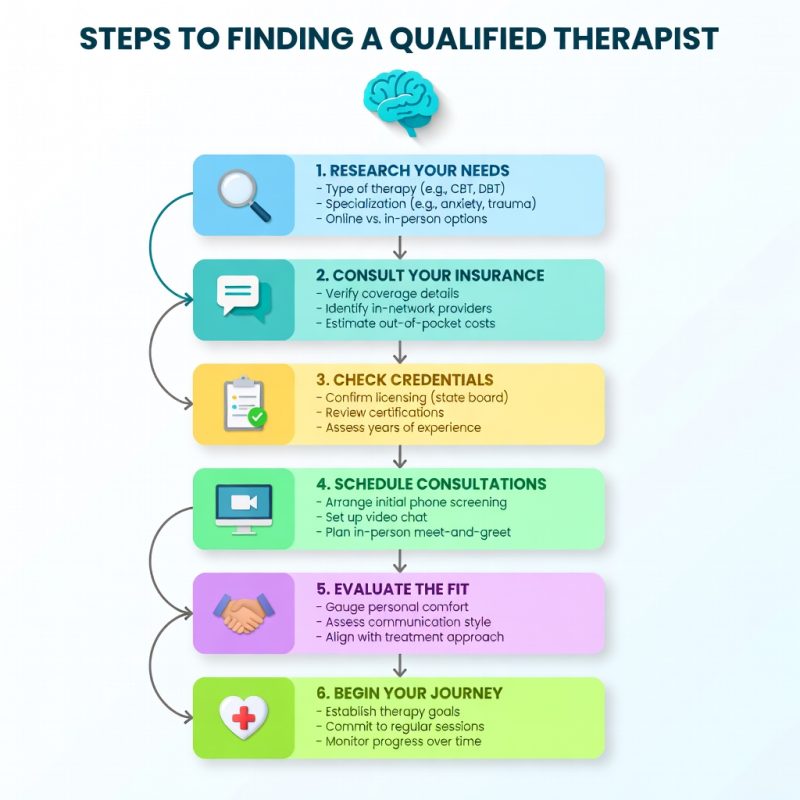
Finding the Right Fit: Choosing a Qualified Provider. The match between the client and the therapist heavily influences the success of mental health therapy. Finding the “right fit” involves considering several factors beyond just professional credentials.
When searching for a therapist, it’s crucial to verify their credentials and licensing. Different mental health professionals have varying levels of education and training:
- Psychiatrists are medical doctors who can prescribe medication and provide therapy.
- Psychologists typically hold doctoral degrees (Ph.D. or Psy.D.) and specialize in psychological assessment and therapy.
- Licensed Clinical Social Workers (LCSWs), Licensed Professional Counselors (LPCs), and Licensed Marriage and Family Therapists (LMFTs) hold master’s degrees and are trained to provide psychotherapy.
Always ensure that any potential therapist is licensed by their respective state board, as this indicates they have met rigorous educational and ethical standards. Professional directories, such as those on Psychology Today, can be excellent resources for finding licensed professionals in your area and often provide detailed profiles of their specialties and approaches. The National Alliance on Mental Illness also offers valuable information on different types of mental health professionals and what to look for in them.
Cost and insurance coverage are significant practical considerations. Therapy fees can vary widely, and it’s essential to inquire about them upfront. Many therapists offer a “sliding scale” fee, adjusting their rates based on a client’s income. It’s also wise to contact your insurance provider to understand your mental health benefits, including co-pays, deductibles, and whether the therapist is in-network. Some employers offer Employee Assistance Programs (EAPs) that provide a limited number of free therapy sessions. For those seeking support for family members, specialized resources like LigneParents provide free, confidential intervention services for parents of children and adolescents, which can be invaluable.
Beyond qualifications and cost, consider the therapist’s specialization and therapeutic approach. Do they have experience with your specific condition or concerns? Do their methods resonate with your personal beliefs and goals? Many therapists offer a brief initial consultation, often free, which is an excellent opportunity to ask questions, assess their communication style, and determine if you feel comfortable and understood. This preliminary conversation is vital for establishing the therapeutic alliance, which, as statistics show, is a cornerstone of successful treatment.
What to Expect: From the First Session to Ongoing Care
The journey through mental health therapy begins with the first session, often referred to as an intake appointment. This initial meeting is crucial for both you and the therapist. The therapist will gather comprehensive information about your presenting concerns, personal history, family background, mental health history, social support systems, and current coping mechanisms. This detailed assessment helps them understand your unique situation and determine the most appropriate course of treatment. It’s also your opportunity to ask questions about their approach, session structure, confidentiality policies, and what you can expect from the process. This initial phase sets the foundation for a collaborative and effective therapeutic relationship. For a comprehensive guide on what happens in the first session and beyond, the American Psychological Association’s resource on Understanding psychotherapy and how it works provides excellent insights.
Confidentiality is a cornerstone of mental health therapy. What you discuss with your therapist is private and protected by ethical guidelines and legal regulations. This creates a safe space for you to explore sensitive topics without fear of judgment or disclosure. However, there are specific exceptions to confidentiality, primarily when there is an imminent risk of harm to yourself or others, or in cases of suspected child or elder abuse. Therapists are legally mandated to report these situations to ensure safety. They will typically explain these confidentiality limits during your first session.
The duration and frequency of therapy sessions can vary significantly depending on your needs, the nature of your concerns, and the therapeutic approach. Sessions typically last between 45 and 60 minutes. For many common conditions, such as anxiety or depression, short-term therapies like CBT can range from 5 to 20 sessions. However, for more complex or chronic conditions, treatment may last for several months or even years, with sessions occurring weekly, biweekly, or less frequently as progress is made. It’s an ongoing process where the therapist continually assesses your progress and adjusts the treatment plan accordingly. Information on how to find health care professionals who offer psychotherapy is available online, helping you connect with providers who align with your needs for session length and frequency.
Throughout the ongoing process, you can expect to engage in various activities, including:
- Talking and processing: Openly discussing your thoughts, feelings, and experiences.
- Learning new skills: Acquiring coping strategies, communication techniques, and problem-solving abilities.
- Homework assignments: Practicing new behaviors or thought patterns outside of sessions.
- Role-playing: Practicing difficult conversations or situations in a safe environment.
- Progress evaluation: Regularly reviewing your goals and assessing how well therapy is helping you achieve them.
Maximizing Outcomes and Overcoming Treatment Resistance
To truly get the most out of mental health therapy, particularly when addressing treatment-resistant conditions, active participation is paramount. Therapy is not a passive process; it’s a collaborative effort between you and your therapist. This means being open and honest, even when discussing difficult or uncomfortable topics. The more you invest in the process, the greater the potential for meaningful change.
A key component of active participation often involves homework assignments. These are tasks or exercises designed to help you practice new skills, observe your thoughts and behaviors, or apply insights gained in therapy to your daily life. For instance, if you’re working on challenging negative thought patterns, your therapist might ask you to keep a thought record. If you’re managing anxiety, you might practice relaxation techniques or gradual exposure to feared situations. These assignments are crucial because they extend the therapeutic work beyond the session, helping to integrate new learnings into your routine. Research, such as a 2006 study on treatment for depression and anxiety, has shown that cognitive and behavioral approaches in psychotherapy have an enduring effect that reduces the risk of symptoms returning even after treatment ends, mainly due to the sustained practice of these learned skills.
The therapeutic fit—the quality of the relationship between you and your therapist—is consistently cited as the most critical factor for successful therapy. If you feel heard, understood, and respected, you are more likely to engage fully and benefit from the process. If, at any point, you feel uncomfortable, misunderstood, or that therapy isn’t working, communicate this to your therapist. A good therapist will welcome this feedback and work with you to adjust the approach or, if necessary, help you find a different provider who might be a better fit. Seeking support for your mental health is a sign of strength, and finding the right professional is a critical step. For those supporting loved ones with mental health challenges, organizations like CAP santé mentale offer resources to help family members cope better and understand how to best support their loved ones.
Overcoming treatment resistance often involves a willingness to explore different modalities, combine treatments (such as therapy with medication, or even innovative therapies like ketamine-assisted psychotherapy), and persist even when progress feels slow. It requires patience, self-compassion, and a belief in the possibility of healing. For individuals specifically exploring ketamine options in a clinical context, resources and providers focused on Utah ketamine mental health therapy may be relevant as part of a broader, individualized treatment plan created with qualified professionals. By actively engaging, practicing new skills, and maintaining open communication with your chosen mental health professional, you significantly enhance your capacity for recovery and long-term wellness.