

How Window Repairs Can Boost Your Home’s Energy Efficiency

Key Takeaways:
- Fixing and maintaining windows can dramatically reduce energy loss and trim down monthly bills.
- Quick repairs such as sealing drafts or updating weatherstripping provide immediate comfort and efficiency gains.
- Proactive window care can extend its lifespan, ensuring your home stays efficient for years.
When looking to increase your home’s comfort and lower utility bills, window repairs are an often-overlooked but highly effective solution. Many homeowners are surprised at how much energy loss occurs due to inefficient or damaged windows. Taking meaningful steps to fix drafty or outdated windows can transform the way your home feels throughout the year. For those seeking help with such improvements, exploring options like window repair Phoenix AZ is a practical first step toward a more energy-efficient home.
Enhancing window efficiency is not only about comfort but also about making smart financial decisions. In many households, old or poorly maintained windows are responsible for a significant portion of wasted heating and cooling energy. Addressing these issues, even with small repairs, will help you save money and create a more inviting home environment.
Understanding the Impact of Windows on Energy Efficiency
Windows act as both barriers and gateways for your indoor climate, directly influencing your home’s overall energy performance. According to data from the U.S. Department of Energy, approximately 25–30% of a residential home’s heat gain and loss occurs through windows. This means that small flaws in your windows can have a big impact on how often your heating or air conditioning runs and, subsequently, how high your utility expenses climb.
Since energy prices and home comfort are so closely tied to window efficiency, evaluating the condition of your windows is one of the most cost-effective ways to conserve energy and boost overall comfort. Addressing problem windows can make your living space feel more consistent season after season.
Common Window Issues Leading to Energy Loss
Identifying and understanding the specific problems that compromise window efficiency can help you make targeted, impactful repairs. Consider the following frequent culprits:
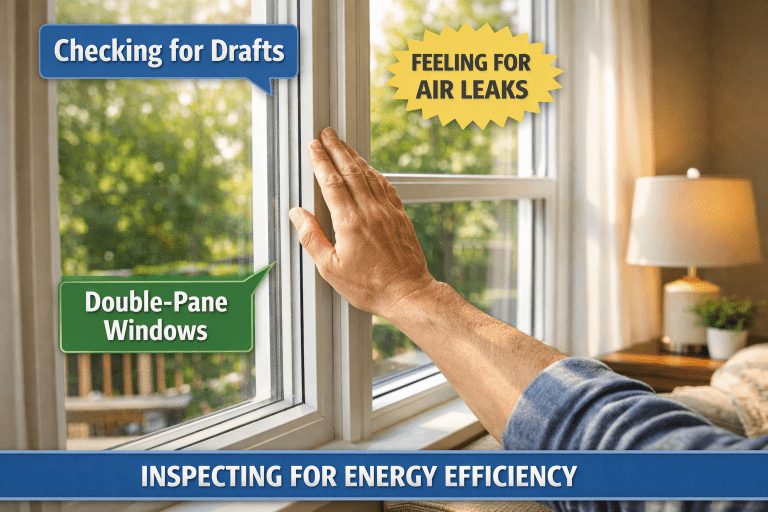
- Drafts: Gaps, cracks, or misalignments around window frames let conditioned air escape and outside air slip in, forcing your HVAC system to work overtime.
- Single-Pane Glass: Older homes often feature single-pane windows, which lack the insulation provided by more modern double- or triple-pane options.
- Worn Weatherstripping: As weatherstripping ages, it loses its effectiveness, resulting in an incomplete seal and increased chances for air leaks.
Simple Repairs to Enhance Window Performance
Fortunately, many energy-wasting problems can be resolved with straightforward fixes. Each of the following steps can result in immediate reductions in energy use:
- Sealing Gaps and Cracks: Apply caulk or foam sealant to any visible openings around window frames. This prevents unwanted drafts by blocking air movement and heat transfer.
- Replacing Weatherstripping: Inspect and substitute old weatherstripping with new materials to restore a snug seal around movable window parts.
- Adding Window Treatments: Heavy curtains or insulated blinds help limit the amount of heat entering or leaving through the glass, further insulating your space.
For homeowners interested in advanced options, organizations like the U.S. Department of Energy provide guidelines and resources to optimize window performance.
When to Consider Window Replacement
While minor repairs can offer dramatic improvements, sometimes the best option is full window replacement. If windows are damaged beyond repair or lack the features of today’s energy-efficient models, replacement is the surest way to ensure lasting efficiency and value.
- Severe Damage: Signs such as cracked or shattered glass or warped frames suggest the need for immediate replacement for both safety and performance reasons.
- Outdated Windows: Older windows typically do not have features like insulated frames or low-E (low-emissivity) coatings, which can drastically reduce energy loss.
Upgrading to modern windows that meet ENERGY STAR® standards could save between $200 and $600 annually, depending on your climate and window types.
Professional vs. DIY Repairs
Deciding who should handle your window repairs depends on the nature and extent of the problem. Many small fixes are well within reach for DIY enthusiasts. Applying caulk, changing out weatherstripping, or installing new curtains do not require specialized skills and can be accomplished in a weekend.
However, for larger issues, such as glass replacement, correcting structural frame problems, or installing new windows, it is wise to consult professionals. Trained window experts have the tools and experience to ensure that installations are done correctly, maximizing efficiency and minimizing risk for leaks or damage.
Maintaining Windows for Long-Term Efficiency
Longevity and efficiency require regular attention. A good maintenance routine includes:
- Cleaning: Clear away dirt and debris from tracks and frames to support full closure and tight seals.
- Inspection: Look for early warning signs like cracked caulk or brittle weatherstripping so that you can address small problems before they worsen.
Preventive care not only protects your investment but also ensures that your home remains energy-efficient year after year.
Additional Benefits of Energy-Efficient Windows
Investing in window improvements provides more than just energy cost savings. When windows are professionally updated or well-maintained, homeowners also enjoy:
- Enhanced Comfort: Fewer drafts and more stable indoor temperatures throughout the seasons.
- Noise Reduction: Modern, well-sealed windows dampen external noise, delivering a calmer, quieter living environment.
- UV Protection: Windows treated with low-E coatings help prevent sun damage to flooring, furniture, and other interior surfaces.
Conclusion
Taking steps to repair or upgrade your windows can lead to lower utility bills and a more comfortable, enjoyable home. Addressing minor repairs continues to pay off year after year, while larger upgrades ultimately provide long-term savings and additional livability benefits. Whether you choose simple fixes or full replacements, window care is a smart and impactful way to make your home more efficient.