
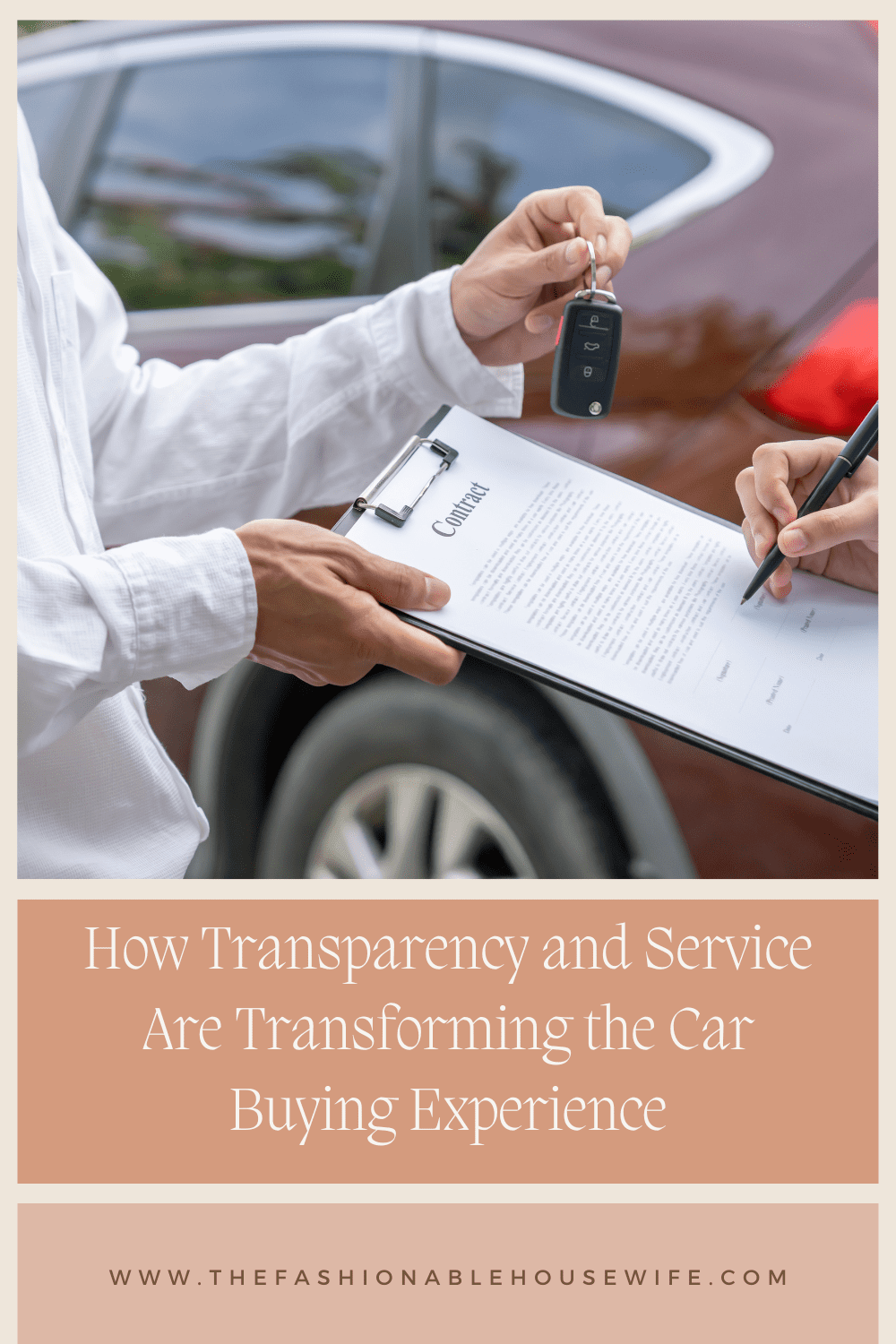
How Transparency and Service Are Transforming the Car Buying Experience
Table of Contents
- Rising Importance of Transparency
- Digital Tools Enhancing Transparency
- Role of Customer Service
- Impact of Omnichannel Approach
- Case Study: Carvana’s Transparent Model
- Future Trends
- Conclusion
The world of automotive retail has seen seismic shifts in recent years, with the values of transparency and customer service rapidly overtaking old-fashioned sales tactics. Buyers now expect to be treated as informed participants throughout their journey, seeking open communication, accurate information, and a respectful sales process. For those looking to find a reliable vehicle, opting for a trusted Chevy dealer in Hershey, PA, is just one part of a larger transformation in how car buyers interact with dealerships.
Modern shoppers demand transparent pricing, detailed vehicle information, and a supportive experience from start to finish. The rise of online shopping tools and greater access to data has raised expectations across the industry. As dealerships adapt, prioritizing transparency and exceptional service results not only in happier customers but also in improved loyalty and faster growth for businesses willing to evolve.
Rising Importance of Transparency
Transparency is no longer a buzzword but a central pillar in the automotive retail sector. According to J.D. Power research, car dealers that emphasize transparency and clearly explain vehicle specifications and pricing foster greater trust and higher overall satisfaction among buyers. When buyers feel confident in the information presented, they are more likely to make a purchase and recommend a dealer in the future. Greater transparency in the process also decreases the anxiety that often accompanies large financial decisions, helping buyers feel empowered and informed at every stage.
Digital Tools Enhancing Transparency
Digital innovations have made transparency easier for both dealers and buyers. Virtual inspection reports, high-resolution photos, and detailed online vehicle histories allow customers to conduct in-depth research before ever setting foot in a showroom. Many dealerships are using digital retailing platforms that will enable buyers to browse inventory, apply for financing, and receive real-time trade-in values online. These advancements build trust by allowing potential buyers to verify all claims about a vehicle’s condition and value remotely. Virtual showrooms further empower consumers to narrow their options, make meaningful comparisons, and engage when they are ready, rather than being pushed along by sales pressure.
Role of Customer Service
Transparency unlocks trust, but exceptional customer service is what keeps buyers committed and satisfied. Dealerships that invest in well-trained sales and service teams set themselves apart by addressing individual needs and concerns with empathy and expert knowledge. Personalized attention makes buyers feel valued and supported, turning what could be a stressful transaction into a positive memory. Staff who can clearly explain each step of the transaction, offer practical advice, and provide follow-up care can drive higher customer retention and word-of-mouth referrals. Just as importantly, positive interpersonal interactions assure buyers that the dealership will stand by them well after the sale is closed.
Impact of Omnichannel Approach
The expectation of a seamless buying journey is pushing dealerships to adopt an omnichannel strategy that blends digital interactions with in-person experiences. Recent research by Cox Automotive reveals that 63% of Americans now prefer a mix of online convenience with traditional, in-person elements during their car-buying journey. Shoppers might start by comparing features and pricing online, then visit a local lot for a test drive before finalizing the purchase digitally or in the showroom. This flexibility improves satisfaction, as customers can tailor their experience to match their comfort level and needs.
Case Study: Carvana’s Transparent Model
Carvana showcases how transparency can set a brand apart in the competitive used car space. By eliminating price negotiations and offering robust digital tools, Carvana provides up-front information on pricing, vehicle history, and inspection results. The company’s seven-day return policy gives shoppers time to ensure their chosen car is right for them, reducing risks and uncertainty. This transparent model has led to higher customer experience ratings and increased buyer loyalty, lessons other dealerships can learn from as industry expectations continue to climb.
Future Trends
The push for greater transparency and personalized service will only intensify as technology progresses. Artificial intelligence is already beginning to offer tailored recommendations based on buyer preferences and browsing behavior, while virtual and augmented reality tools are allowing buyers to take immersive tours of vehicles, features, and performance options from home. These trends point to a future where the buying journey becomes truly customer-centric, allowing buyers to make decisions confidently and efficiently with as much detail as they desire.
Conclusion
The shift toward greater transparency and enhanced service in the car-buying experience is producing clear improvements in customer satisfaction and long-term trust. Dealerships that adopt advanced digital tools, provide comprehensive staff training, and seamlessly integrate online research with in-person interactions are better equipped to meet modern expectations. These efforts create a smoother, more informed purchasing journey that reduces uncertainty and builds confidence. As the automotive industry continues to evolve, buyers can expect a more transparent, convenient, and empowering process that reshapes how vehicles are researched, negotiated, and ultimately purchased.