
How To Transition Out of Diapers Smoothly
Moving a child out of diapers is one of those milestones that feels both exciting and slightly intimidating. Parents look forward to lighter bags and fewer changes yet the actual process can feel uncertain. The transition does not follow a tidy formula since every child moves at their own pace. The good news is that a calm approach works far better than pressure which often backfires.
A useful starting point is watching for readiness signals. These signals are often subtle. A child may pause during play when they need to go. They may stay dry for longer stretches. They may show interest in what adults or older siblings are doing in the bathroom. Some children become bothered by a wet diaper while others simply begin to imitate routines they see. These small clues matter more than age. They show that the child is beginning to notice bodily cues which is the foundation for the transition.
Once you spot a few signs you can introduce the idea without rushing into full training. Bring a small potty seat into the home and let your child explore it at their own pace. Some children want to sit on it right away. Others want it nearby but do not touch it for several days. Keep the mood light. Treat the potty as an option rather than a demand. Pressure can create reluctance faster than anything else.
When you feel ready to begin, choose a stretch of days with fewer commitments. This gives the child space to practice without the stress of long car rides or crowded outings. Start with simple routines. Take the child to the potty when they wake up, before nap time and before bed. Offer chances at steady intervals during play. If nothing happens, that is fine. The goal is familiarity. If something does happen, keep the response warm and steady rather than overly enthusiastic. Too much celebration can make the moment feel loaded.
Accidents are part of the process and sometimes the most valuable part. They help children connect the sensation of needing to go with the result. When an accident happens, keep your tone calm. Help the child change clothes and guide them back to the potty so they can make the link between the two. This keeps the learning constructive instead of emotional.
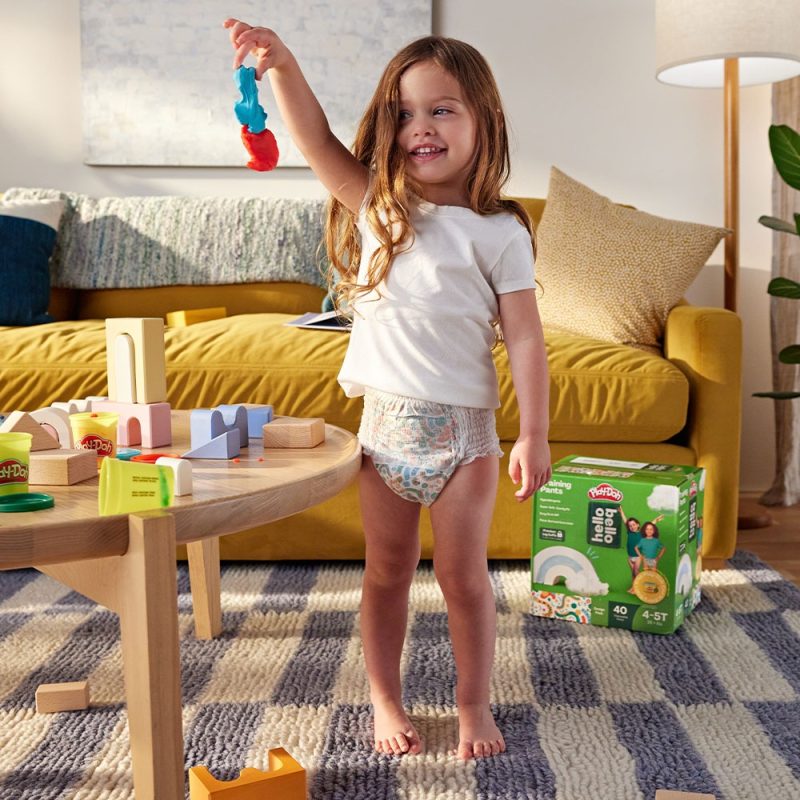
Clothing makes a bigger difference than people expect. Simple potty training pants that pull up and down easily support independence and reduce frustration. Avoid complicated outfits during the early days. The goal is to let the child respond to their body cues quickly. Easy clothing helps them build confidence.
Some families introduce training pants during outings. Others prefer to continue with diapers outside the home until the child gains more consistency. Both approaches can work. The key is choosing the method that keeps the child steady and reduces tension for everyone involved. If training pants cause stress, switch back for a while. If diapers during errands slow progress, try short outings without them. Let the child guide the pace.
Nighttime dryness often follows daytime success but sometimes with a wide gap. Many children sleep deeply and do not wake when they need to go. In these cases nighttime protection remains practical for a while. This is normal. It does not reflect back on daytime readiness or skill. Nighttime control comes from a blend of development and awareness which cannot be rushed.
Throughout the transition keep communication simple. Narrate what is happening in clear phrases. “Your body is telling you something” or “Let’s try before we go outside.” Children respond well to calm guidance. They need consistency more than intensity.
A smooth transition out of diapers does not depend on perfection. It depends on patience, observation and steady routines. Each small success builds momentum. Each small setback during potty training offers information. With a gentle approach children learn to recognize their signals and take pride in their independence which turns the milestone into a shared accomplishment rather than a stressful hurdle.