
How to Maintain Your Electric Water Heater for Long Lifespan
A reliable hot water supply is something most homeowners don’t think about—until it suddenly stops working. Your electric water heater quietly handles daily demands, from showers to dishwashing. But without proper maintenance, it can lose efficiency, increase energy costs, and fail earlier than expected. The good news is that with a few simple practices, you can extend its lifespan and keep it running smoothly for years.
An electric water heater is a long-term investment, and like any essential home system, it benefits from routine care. Regular maintenance not only improves performance but also reduces the risk of unexpected breakdowns and costly repairs.
Why Maintenance Matters
Electric water heaters typically last between 8 to 12 years, but neglect can shorten that lifespan significantly. Sediment buildup, worn-out components, and unnoticed leaks can all reduce efficiency and strain the system.
Key benefits of regular upkeep:
- Lower energy consumption and utility bills
- Consistent water temperature
- Reduced risk of leaks or tank damage
- Extended equipment lifespan
- Improved home comfort
Ignoring maintenance often leads to gradual performance decline, which may go unnoticed until a major issue arises.
Inspect the Tank and Surroundings
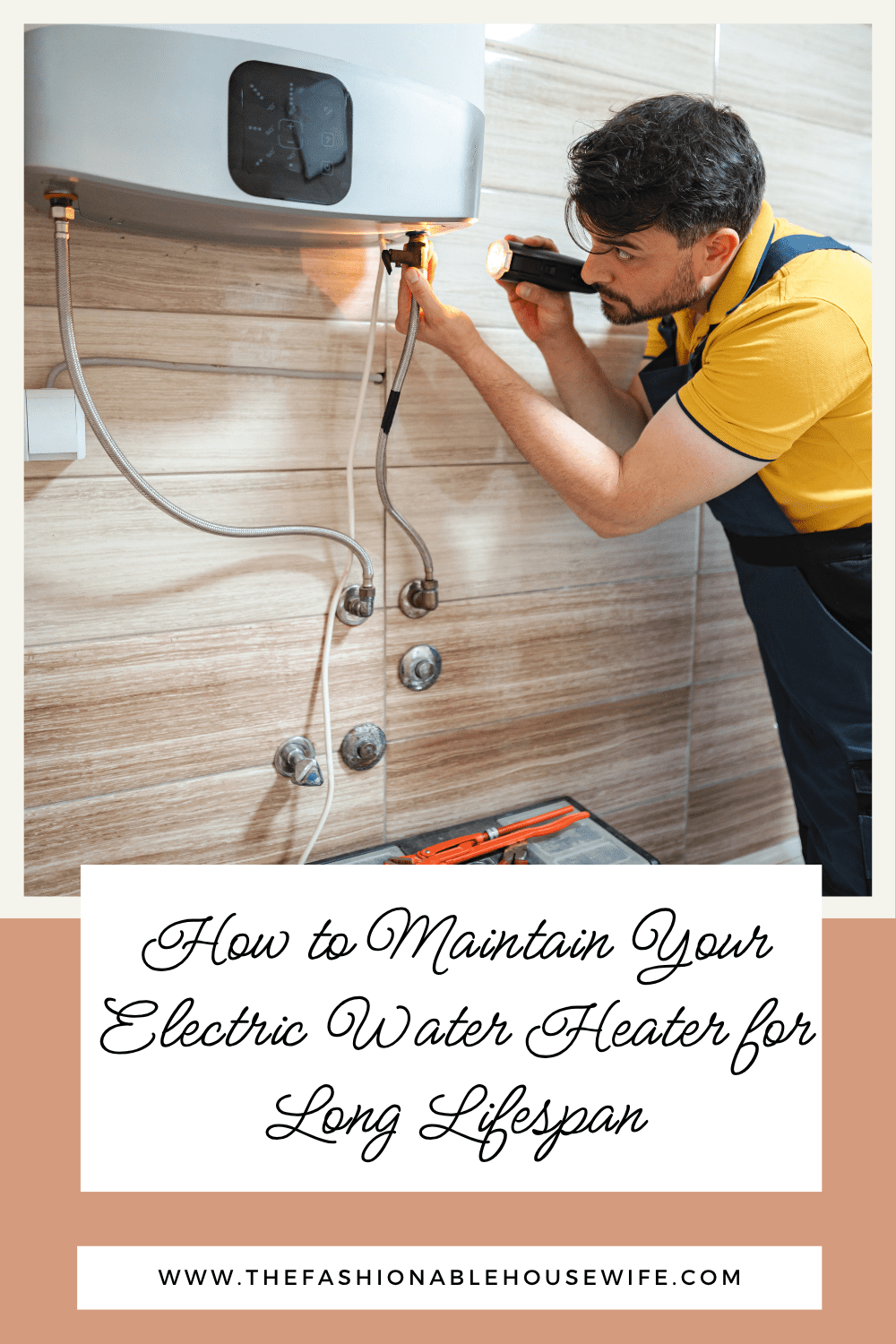
One of the simplest yet most effective steps is to visually inspect your water heater regularly. Look for signs of corrosion, rust, or moisture around the tank.
What to check:
- Puddles or damp areas near the base
- Rust-colored water or tank exterior
- Loose or damaged connections
Early detection helps prevent small issues from turning into expensive repairs. Make this inspection part of your monthly home maintenance routine.
Flush the Tank to Remove Sediment
Over time, minerals from hard water settle at the bottom of the tank. This sediment layer reduces heating efficiency and can cause overheating or strange noises.
Flushing the tank at least once a year helps maintain optimal performance. It removes debris, improves heating speed, and prevents internal damage.
In many cases, homeowners notice a clear difference in water quality and heating efficiency after flushing. If left unchecked, sediment buildup can significantly shorten the life of your electric water heater.
Test the Temperature and Pressure Relief Valve
The temperature and pressure (T&P) relief valve is a critical safety feature. It releases excess pressure inside the tank to prevent potential hazards.
How to test it:
- Place a bucket under the discharge pipe
- Lift the valve lever briefly
- Ensure water flows out and stops when released
If the valve doesn’t function properly, it should be replaced immediately. This small component plays a major role in maintaining system safety.
Adjust the Thermostat for Efficiency
Most electric water heaters are set to a default temperature of 140°F. While this ensures hot water availability, it can also increase energy consumption and pose a scalding risk.
Lowering the thermostat to 120°F is often recommended for:
- Improved energy efficiency
- Reduced electricity costs
- Enhanced safety for households
This simple adjustment can make a noticeable difference in your monthly energy usage without compromising comfort.
Check the Anode Rod
The anode rod is designed to protect the tank from corrosion by attracting corrosive elements in the water. Over time, this rod deteriorates and needs replacement.
Signs the anode rod needs attention:
- Rusty or discolored water
- Metallic odor in hot water
- Visible corrosion inside the tank
Inspecting and replacing the anode rod every 2–3 years can significantly extend the life of your water heater.
Insulate the Tank and Pipes
Heat loss is a common issue that reduces efficiency, especially in colder areas of your home. Insulating your water heater tank and exposed pipes helps retain heat and reduces the workload on the system.
Benefits of insulation:
- Faster hot water delivery
- Lower energy consumption
- Consistent water temperature
Pre-insulated tanks are common in newer models, but adding insulation to older units can still provide noticeable savings.
Watch for Warning Signs
Your water heater often gives subtle signals before a major problem occurs. Paying attention to these signs can help you act early.
Common warning indicators:
- Inconsistent water temperature
- Strange noises like popping or rumbling
- Reduced hot water supply
- Unusual increase in energy bills
Addressing these issues promptly can prevent system failure and extend the unit’s lifespan.
Schedule Professional Maintenance
While many maintenance tasks can be done at home, scheduling an annual inspection with a qualified technician adds an extra layer of protection. Professionals can identify hidden issues, test electrical components, and ensure the system is operating safely.
Routine servicing is especially important for older units or systems under heavy daily use.
Maintaining Your Electric Water Heater
Maintaining your hot water heater doesn’t require complex tools or advanced skills—just consistency and attention to detail. Regular inspections, flushing the tank, checking components, and optimizing settings can dramatically improve efficiency and longevity.
By taking a proactive approach, you not only reduce the risk of unexpected breakdowns but also enhance your home’s overall comfort and energy performance. A well-maintained system delivers reliable hot water when you need it most—without unnecessary stress or expense.