
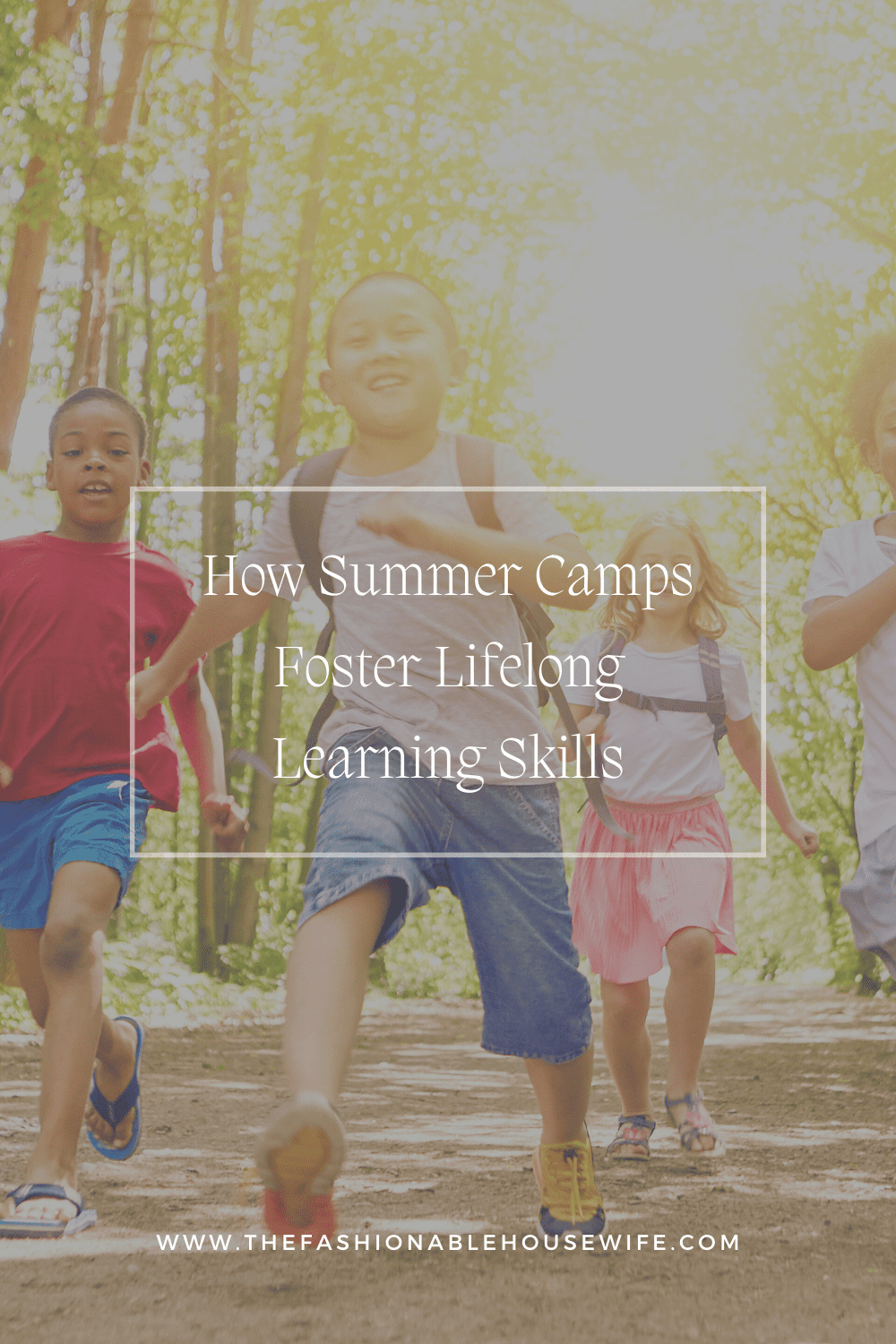
How Summer Camps Foster Lifelong Learning Skills
Key Takeaways
- Summer camps nurture vital life skills, including social development, independence, and adaptability in children of all ages.
- Campers benefit from a diverse range of activities that foster creativity, critical thinking, and a sense of curiosity.
- Studies show summer camp participation enhances emotional well-being and intellectual growth.
Summer camps offer children more than just a fun way to spend their vacation—they provide a unique environment where learning extends beyond the classroom. Through a variety of structured activities and interactive experiences, children develop essential skills such as problem-solving, teamwork, and creative thinking. These early experiences can shape a child’s approach to learning, encouraging curiosity and resilience that lasts well into adulthood.
For younger children, programs like the summer camp for preschoolers provide an especially valuable foundation. By engaging in age-appropriate activities that combine play with learning, preschoolers gain early exposure to social interaction, basic cognitive challenges, and confidence-building exercises. These formative experiences help cultivate a lifelong love of learning and prepare children to approach new challenges with enthusiasm and adaptability.
Building Social and Emotional Skills
Summer camp encourages young participants to step outside their usual friendship circles and interact with campers from diverse backgrounds. These daily interactions not only enhance empathy but also teach youngsters how to navigate a wide range of emotions. Structured camp settings, as supported by organizations such as the National Academies of Sciences, Engineering, and Medicine, have been proven to enhance social-emotional learning, which is essential for developing healthy self-esteem and fostering productive teamwork.
Whether through team sports, group art projects, or nightly campfire discussions, children gain practice balancing their own needs with those of their peers. This balance between autonomy and teamwork helps foster a secure sense of belonging and confidence.
Encouraging Independence and Responsibility
Leaving the comfort of home, even temporarily, gives children the opportunity to manage their daily schedules—choosing activities, caring for their belongings, and making small decisions independently. Children’s summer camp experiences are designed to nurture this independence, with counselors providing guidance without hovering, allowing kids to take ownership of their actions.
From organizing a group relay during field day to leading their bunk in cleanup duties, these everyday moments help build accountability and self-reliance. Over time, the skills learned in a children summer camp setting extend beyond camp, supporting growth in classrooms, extracurricular activities, and daily family life.
Enhancing Creativity and Problem-Solving
While classroom learning often follows a set curriculum, camps provide a more flexible environment in which imagination takes center stage. Campers invent new games, create skits from scratch, solve puzzles in nature, and collaborate on building structures using only natural materials found in their surroundings. These unstructured, play-based opportunities are powerful in developing both creativity and critical thinking.
In such contexts, children not only invent but also troubleshoot—working through disagreements, evaluating the pros and cons of ideas, and adapting when plans inevitably change. These collaborative skills and creative problem-solving abilities become essential tools throughout adulthood, enabling individuals to innovate and adapt in a rapidly changing world.
Developing Adaptability and Resilience
Adapting to new environments is a hallmark of the camp experience. Campers may face homesickness, the unpredictability of weather, or the need to quickly bond with new friends. Through these everyday challenges, children build emotional resilience and develop coping mechanisms that will help them manage change and adversity well beyond the summer months.
The unpredictable nature of camp—unexpected rain, team changes, or the need to adjust plans—teaches valuable lessons in flexibility. Resilient children who pack for summer camp are better equipped to handle academic transitions, family moves, or other life events with a positive outlook.
Fostering a Love for Lifelong Learning
Exposure to new activities at summer camp sparks curiosity, helping children discover passions they might never have encountered in a classroom setting. Whether learning about ecology during a nature walk, conducting simple science experiments, or exploring music and art, camp reveals the limitless possibilities of learning. This encourages children to become self-motivated learners eager for knowledge, exploration, and self-improvement throughout their lives.
Such exposure fosters an attitude where learning is not confined to schoolwork but becomes an enjoyable and lifelong pursuit. The variety of camp experiences helps children view learning as both fun and integral to a fulfilling life—a notion continually supported by research from major education-focused organizations.
Conclusion
Summer camps offer a transformative environment where children develop a range of life skills. Through collaborative play, independent learning, and exposure to new experiences, camps equip children with the social, emotional, and intellectual tools they need to flourish. As families consider options for their child’s next summer break, the benefits of these immersive experiences are clear—laying the groundwork for a lifetime of curiosity, resilience, and personal growth.