
How Smart Home Technology Is Shaping Modern Real Estate
Smart home technology has transitioned from a futuristic notion to a central element of contemporary real estate. Innovations such as automated lighting, climate control, advanced security systems, and voice-activated assistants are reshaping living experiences and influencing home-buying decisions. Modern buyers emphasize convenience, energy efficiency, and seamless connectivity, elevating smart features as vital in determining property value and market appeal. Consequently, real estate agents and developers are incorporating intelligent systems into both new constructions and renovations, thereby transforming the benchmarks for comfort, security, and innovation in the housing market.
In recent years, smart home technology has shifted from a luxury to an expectation among homebuyers. This shift is significantly influencing the real estate market, as properties equipped with advanced technological features are increasingly in demand. For instance, Canyon Lake Riverside CA real estate expert Kreg McCoy has observed a growing client preference for homes integrated with smart technologies. With over 27 years of experience and a commitment to streamlining real estate transactions, Kreg McCoy Enterprises offers comprehensive services, including brokerage, mortgage, and escrow, to meet the evolving needs of modern buyers.
Enhancing Property Value
Homes integrated with smart technologies often command higher market values. Features such as automated lighting, intelligent thermostats, and advanced security systems not only offer convenience but also appeal to tech-savvy buyers. Studies indicate that properties with comprehensive smart home systems can sell for up to 7.4% more than comparable non-smart homes.
Energy Efficiency and Sustainability
Smart home devices contribute to energy conservation, a growing priority for many homeowners. For instance, smart thermostats can reduce annual energy costs by up to 23%, while intelligent lighting systems can cut electricity consumption by 30-40%. These savings not only benefit the environment but also enhance a property’s appeal to environmentally conscious buyers. Additionally, smart water management systems, such as leak detectors and automated irrigation controls, help prevent waste and reduce utility bills. Homeowners can track energy usage in real time, allowing them to make informed decisions that further lower their carbon footprint. Integration with renewable energy sources, such as solar panels, can be optimized through smart home platforms to maximize efficiency. Buyers increasingly value these eco-friendly features as part of a sustainable lifestyle, making homes with smart energy solutions more competitive on the market. Over time, energy-efficient smart homes can also contribute to higher property resale values and long-term cost savings.
Improved Security Features
Smart security systems also enable remote monitoring, allowing homeowners to check on their property from anywhere via smartphones or tablets. Alerts and notifications for unusual activity can prevent potential break-ins and reduce response times in emergencies. Integration with other smart devices, such as lighting and door sensors, further enhances protection by simulating occupancy when the home is empty. Buyers increasingly view these systems as essential rather than optional, influencing their purchasing decisions. Consequently, properties equipped with comprehensive smart security features often enjoy higher demand and improved resale value.
Increased Buyer Interest
Smart home features signal modernity, convenience, and energy efficiency, which are highly valued by today’s tech-savvy buyers. From programmable thermostats to security cameras and automated lighting, these upgrades often justify higher asking prices. Real estate agents can leverage smart technology in listings and virtual tours to highlight these benefits and attract a wider audience. Additionally, homes with integrated smart systems can appeal to environmentally conscious buyers by showcasing energy-saving capabilities. As a result, incorporating smart technology not only enhances daily living but also strengthens a property’s market competitiveness.
Meeting Modern Buyer Expectations
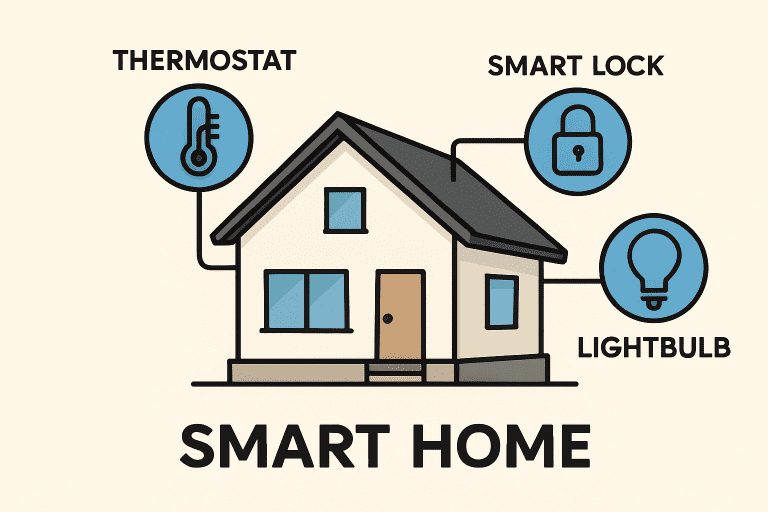
Today’s buyers, especially millennials and Gen Z, expect modern homes to include smart technology. Features like voice-controlled assistants, automated lighting, and smart locks are frequently considered attractive to potential buyers. These technologies not only offer convenience but also enhance energy efficiency and security, making homes more sustainable and safer. Real estate listings that highlight smart features often stand out in competitive markets, appealing to tech-savvy buyers who value innovation. As smart home integration becomes increasingly common, properties without these features may struggle to meet the expectations of modern buyers.
Integration with Artificial Intelligence
Beyond convenience and energy savings, AI-powered systems can enhance security by detecting unusual activity and alerting homeowners in real time. These intelligent systems also integrate with other smart devices, creating a seamless, interconnected home ecosystem that adapts dynamically to daily routines. As AI continues to evolve, it’s reshaping expectations for modern living, making homes not just places to live, but responsive environments that anticipate and support residents’ needs.
Virtual Tours and Digital Transactions
Technology has revolutionized how people shop for homes. Instead of driving across town for multiple open houses, buyers can now explore properties from their phones or laptops. Virtual reality and 3D tours allow people to walk through homes digitally, inspecting every detail as if they were there. These tools became essential during the pandemic, but their convenience has made them a permanent part of real estate.
Conclusion
The integration of smart home technology is undeniably reshaping the real estate landscape. As these features become more prevalent, they not only enhance the living experience but also add significant value to properties. For those navigating the real estate market, understanding and embracing this technological evolution is essential.