
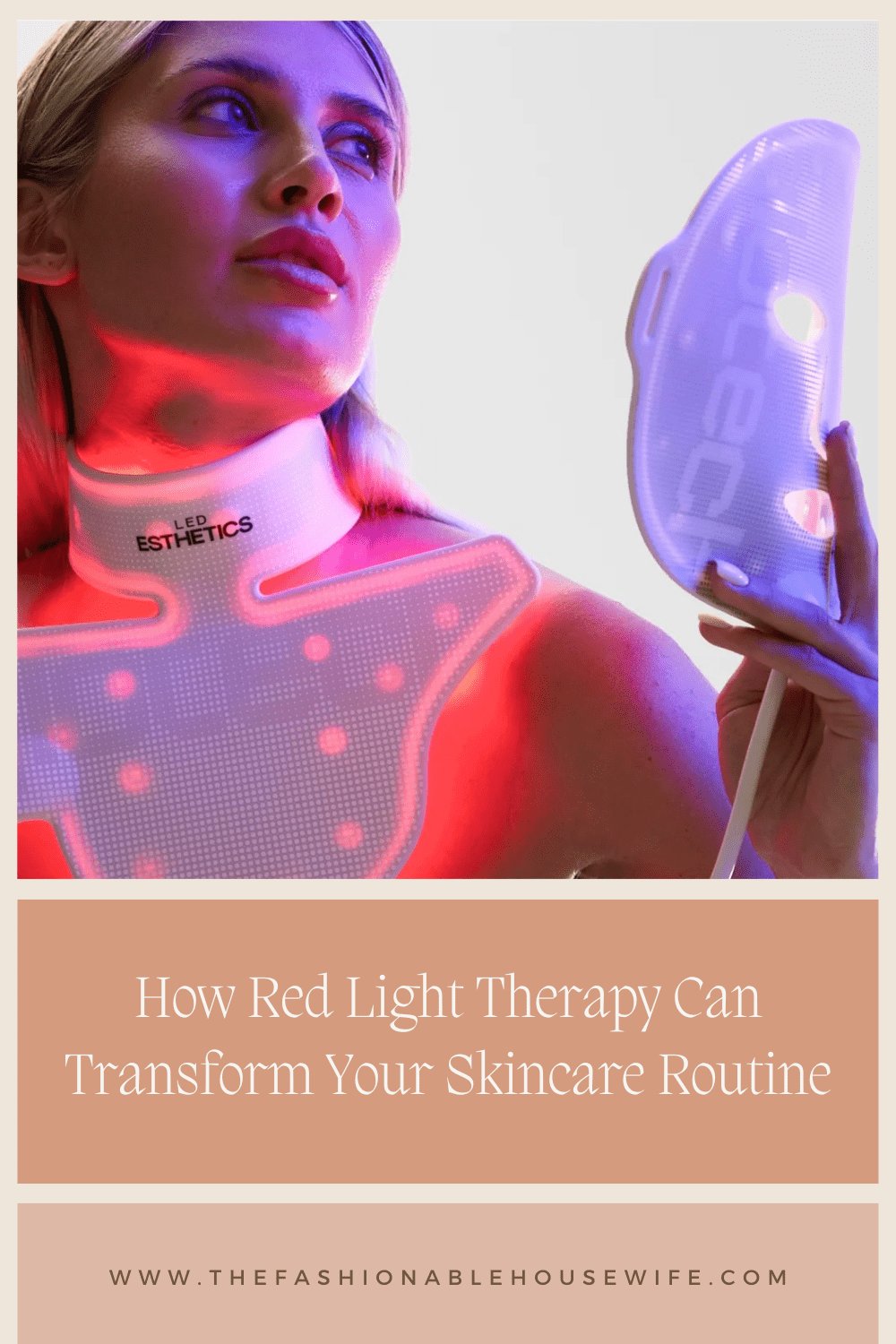
How Red Light Therapy Can Transform Your Skincare Routine
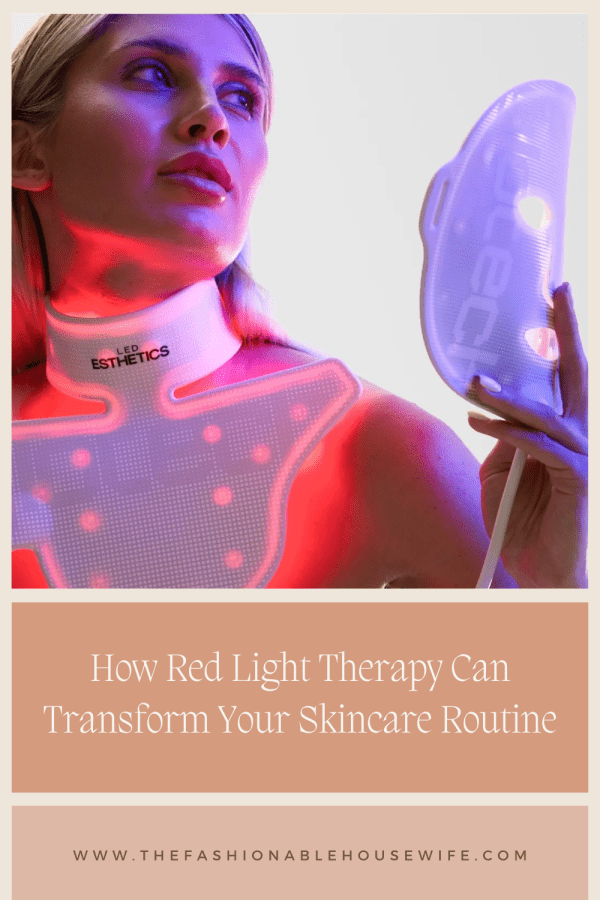
Key Takeaways
- Red light therapy stimulates collagen production, resulting in reduced fine lines and firmer skin.
- It soothes inflammation and redness tied to acne, rosacea, and irritation.
- Regular use can improve tone, texture, and overall radiance throughout the face and body.
- RLT accelerates the healing process and can help minimize the appearance of scars.
- Modern devices deliver salon-quality results right at home.
Table of Contents
- Introduction
- Understanding Red Light Therapy
- Benefits for Skin Health
- Incorporating RLT into Your Routine
- Choosing the Right Device
- Safety Considerations
- Conclusion
Red Light Therapy
As the search for gentle yet effective skincare solutions intensifies, red light therapy (RLT) is rapidly emerging as a scientifically-backed method for promoting healthier, younger-looking skin. This non-invasive treatment has garnered the attention of dermatologists and beauty enthusiasts alike, with proven effects on a range of conditions, including aging, inflammation, acne, and wound healing. People researching skin rejuvenation in Sandy, UT, and those interested in innovative skincare methods can benefit from understanding how RLT seamlessly fits into an at-home or professional beauty regimen. Red light therapy (RLT) utilizes specific wavelengths of light to repair, renew, and revitalize the skin, resulting in noticeable improvements with minimal downtime and discomfort. It’s versatile and accessible for both clinical and home use.
Understanding Red Light Therapy
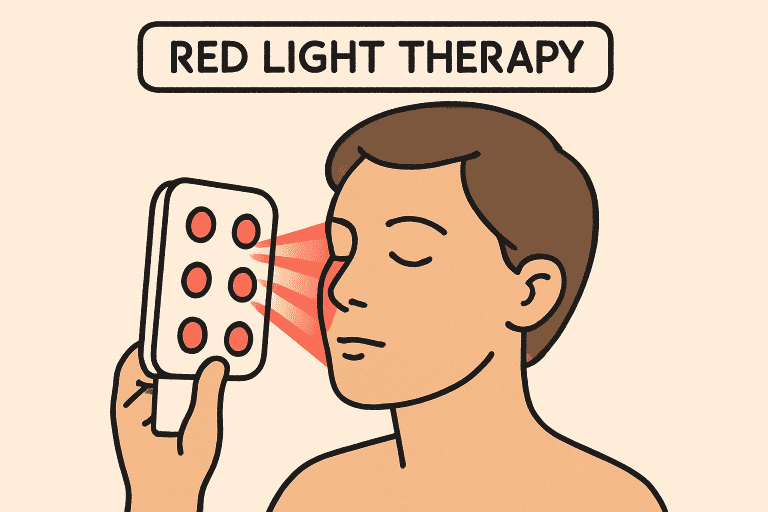
Red light therapy exposes skin to controlled wavelengths between 630 and 700 nanometers, in the red and near-infrared spectrum. This gentle light, invisible to the naked eye at some wavelengths, reaches deep beneath the skin’s surface. Once absorbed by skin cell mitochondria, it enhances energy production (in the form of ATP), boosts cellular repair, and activates natural processes like collagen and elastin synthesis. Significantly, RLT differs from ultraviolet (UV) light, as it poses no risks of burning or DNA damage, making it a safe, non-ablative technique suitable for most skin types. RLT has been adopted in clinical dermatology for its efficacy in rejuvenation and healing, and its popularity continues to rise thanks to both professional and at-home devices that put power and convenience into the consumer’s hands. For more information on the clinical background of this technology, refer to the comprehensive review by Healthline.
Benefits for Skin Health
Stimulates Collagen Production
Collagen is the essential protein that keeps skin plump, firm, and resilient. As we age, collagen production naturally declines, leading to wrinkles and sagging. Multiple studies have demonstrated that red light therapy can stimulate fibroblasts in the skin to increase collagen synthesis, thereby reducing fine lines and enhancing elasticity, resulting in a more youthful appearance within weeks of regular use.
Reduces Inflammation and Redness
A key advantage of RLT is its potent anti-inflammatory effect, which comes from reducing the production of pro-inflammatory cytokines and supporting healthy circulation. This makes it wildly beneficial for those struggling with chronic redness, sensitivities, or flare-ups due to acne and rosacea. Visible improvement is often noticed after a few weeks of adherence to treatment protocols.
Improves Skin Tone and Texture
By accelerating skin cell turnover and aiding in the repair of damaged tissues, RLT can even out skin tone, reduce hyperpigmentation, and smooth rough texture. Even sun damage and age spots can fade with continued use, contributing to a more luminous and balanced complexion overall.
Accelerates Wound Healing and Minimizes Scarring
Red light therapy’s impact on improving blood flow and reducing inflammation has made it popular in both sports medicine and dermatology for accelerating the healing process of wounds, minor burns, cuts, and surgical incisions. This benefit extends to reducing the risk of abnormal scarring and improving existing scars, making RLT a broad-spectrum tool for skin recovery.
Incorporating RLT into Your Routine
Consistency is crucial for reaping the full benefits of red light therapy. Here’s how you can make it an effective part of your skincare routine:
- Choose a suitable device: Ensure your RLT device is FDA-cleared, fits your treatment area, and emits the correct therapeutic wavelengths.
- Adhere to usage guidelines: Most manufacturers recommend three to five sessions per week, with each session lasting between 5 and 20 minutes, depending on your individual needs.
- Combine with targeted skincare: Many users see amplified results by using RLT after cleansing and before applying moisturizers, serums, or topical treatments.
- Track progress and adjust: Monitor your skin for improvements or sensitivities, and adjust the frequency or duration accordingly.
Choosing the Right Device
When purchasing an RLT device, check for clinical-grade quality, FDA clearance, and ample user reviews. Target models that operate between 630 and 700 nm for optimal skin benefits. Panel-style devices are excellent for treating larger areas, while targeted wands or masks can focus on facial care or small problem spots. Reputable brands will provide wavelength, power output, and safety certifications on their packaging and websites.
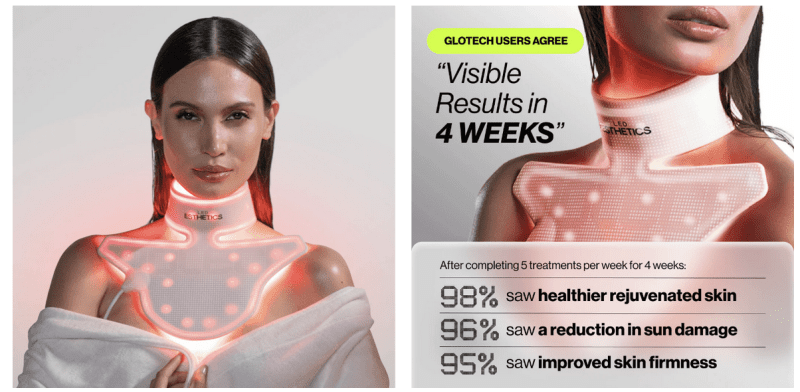
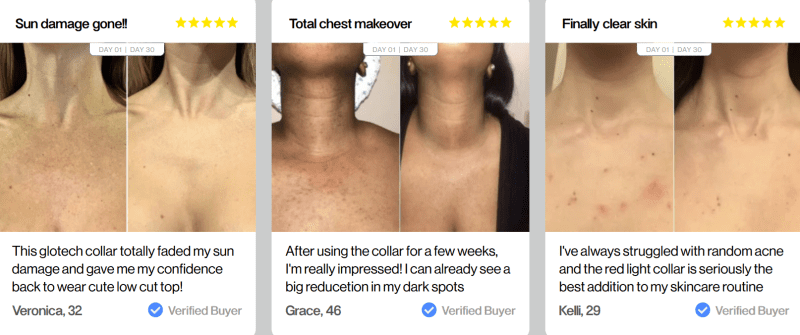
The Glotech™ Collar is worth the splurge because it treats the neck like the age revealing MVP it is, not an afterthought. Years of sun, screens, and looking down at our phones take a visible toll here faster than almost anywhere else, and creams alone can only do so much. This FDA cleared, dermatologist recommended LED device goes deeper, using clinically proven red and near infrared light to boost collagen, improve elasticity, fade sun damage, and smooth texture in just 10 minutes a day. It is wireless, fully portable, and easy to use from the couch, which means it actually fits into real life. In short, it delivers professional level results at home for the one area that gives away your age long before your face does.
Safety Considerations
Red light therapy is generally regarded as safe, with minimal side effects for most individuals. Nonetheless, always consult a dermatologist before starting if you have underlying medical conditions, take medications that cause light sensitivity (like certain antibiotics or acne treatments), or have a history of skin cancer. Avoid staring directly at the light and follow all device instructions for safe use.
Conclusion
Red light therapy stands out as a transformative addition to any skincare routine. With its ability to boost collagen production, calm inflammation, even out tone and texture, and accelerate healing, it offers results that are both visible and lasting. When combined with other thoughtful care strategies, this gentle approach can help you achieve brighter, healthier, and more youthful-looking skin through consistent use at home or in professional settings.