How New Laser Treatments Are Changing Skin Tightening with Less Pain and Downtime in New York
Picture yourself in a New York dermatology office with numbing cream spread evenly across your face, similar to cake frosting. You are about to receive a laser treatment that reaches temperatures comparable to boiling water, and you may expect days of redness and irritation afterward.
For many years, this was a common reality for people in New York and elsewhere who pursued laser procedures to firm or tone their skin. Advances in laser technology have made today’s options far gentler, significantly reducing discomfort and recovery time. These newer systems may also deliver improved lifting and brightening results while being safer for a wide range of skin tones. “Many older lasers easily absorb melanin, which can cause serious burns for patients with darker skin,” explains Michelle Henry, MD, a New York–based dermatologist. Many of the devices now used in her New York practice are safe for darker complexions.
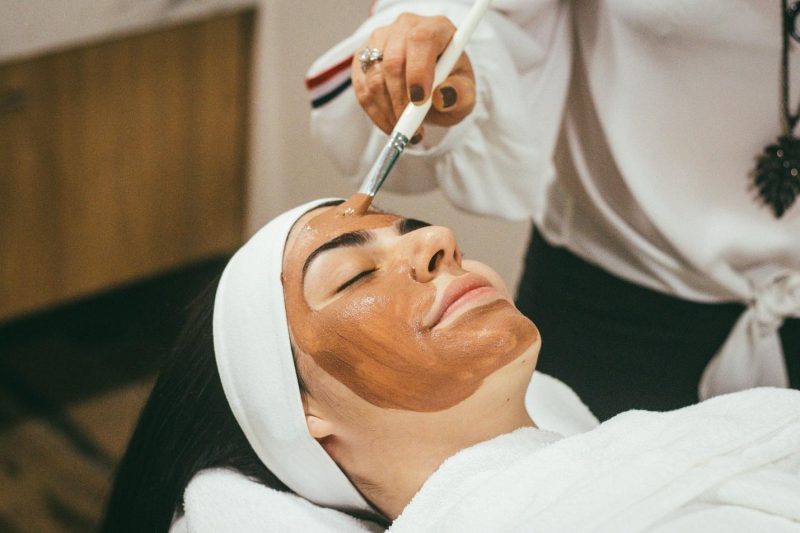
Image Source – https://unsplash.com/photos/man-wearing-mud-mask-Pe9IXUuC6QU
This evolution has fueled growing interest in modern laser skin treatment options across Long Island and New York, particularly among patients seeking skin rejuvenation with minimal downtime. Practices such as Endolift treatment at Evolve Medical reflect this shift by offering advanced laser-based solutions designed to support skin tightening and collagen stimulation. These newer technologies are increasingly used to address concerns such as fine lines, skin laxity, scars, and sun damage through precise, non-surgical skin rejuvenation approaches.
The demand for laser procedures continues to rise nationwide. In 2023, more than 3.5 million skin resurfacing treatments were performed, a 5 percent increase from the previous year, according to the American Society of Plastic Surgeons. Below are some of the leading laser technologies now used in New York that deliver noticeable results without extended recovery.
Image Source – https://unsplash.com/photos/a-woman-getting-a-facial-mask-on-her-face-qJ1mYraktLg
The Tightening Laser
According to Eunice Park, MD, a New York facial plastic surgeon, a technique known as Pico Sculpting, widely used in South Korea, is gaining popularity in New York. This method relies on ultra-short pulses of energy delivered at multiple depths, allowing the picosecond laser to work with precision. It can reach deeper layers of the skin to encourage tightening without affecting the surface, address mid-level layers to refresh the complexion, or lightly treat the top layer to improve texture. Mild redness or swelling may last for a few days, but downtime is limited, and visible improvements often begin within a week.
The Resurfacing Laser
Ablative lasers remain highly effective for resurfacing, though traditional versions can leave skin looking sunburned for weeks. UltraClear offers a newer approach and is available at select New York practices. It is the first cold fiber ablative laser designed to stimulate collagen while minimizing redness. The term “cold” refers to how the laser functions using a specific 2,910-nanometer wavelength rather than temperature, explains Arielle Kauvar, MD, a dermatologist in New York City. UltraClear delivers short bursts of energy with pauses in between, which helps limit heat buildup and discomfort. Unlike many traditional ablative lasers, its 3DMiracl treatment rarely requires numbing cream and typically involves less downtime. Some redness or swelling may occur, but many patients see improvements within five days.
Image Source – https://www.pexels.com/photo/person-touching-woman-s-face-3148935/
The All-In-One Laser
Mosaic 3D is frequently used in New York to address concerns such as hyperpigmentation, acne scarring, and wrinkles. As a non-ablative laser, it does not disrupt the skin’s surface, making it suitable for all skin tones, according to Henry. Its advanced design includes a cold sapphire tip to cool the skin, an air-cooled rolling system for even coverage, and a 3D Controlled Chaos Technology algorithm that regulates the depth and spacing of laser energy. These features allow for precise treatment in delicate areas such as around the eyes and mouth. Mild redness may last up to 48 hours, with overall downtime typically ranging from two to five days.