
Essential Steps for Homeowners After Fire Damage
Table of Contents
- Ensure Safety First
- Contact Authorities and Insurance
- Document the Damage
- Secure the Property
- Begin Water Removal and Drying
- Cleaning up and Soot Removal
- Address Structural Repairs
- Prevent Future Fires
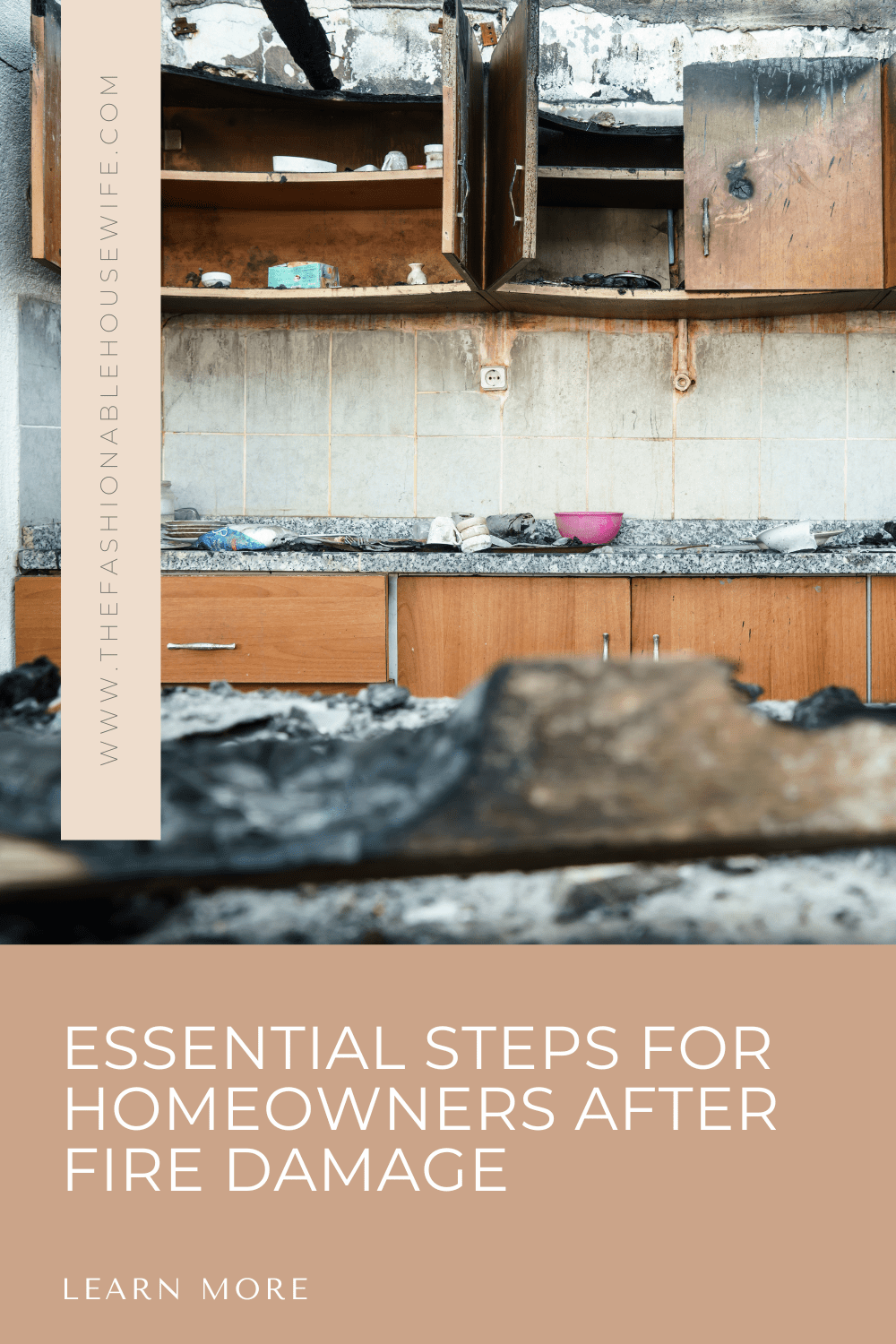
Coping with the aftermath of a house fire can feel overwhelming, but taking the right steps soon after the incident dramatically improves your home’s restoration prospects and ensures your family’s safety. The initial shock is often compounded by the sight of charred belongings, water-soaked floors, and thick soot residue on every surface. However, prompt and effective action empowers you to protect your property, your valuables, and the well-being of anyone living under your roof. Understanding what to do in those vital early days is essential; being organized and methodical truly makes a difference. If you are unsure where to start, seeking support from a fire damage restoration specialist can offer guidance and help you avoid costly mistakes during recovery, giving you peace of mind and the expertise needed for such a difficult situation.
Understanding immediate and longer-term tasks is essential when moving forward after a fire. By taking action as soon as authorities allow, you minimize further loss, ensure your family’s continued safety, and set the foundation for a successful restoration. There are important distinctions between what you can do yourself and what experts should handle. Collaboration with insurance representatives and trusted restoration professionals is also vital for an efficient recovery. Managing your expectations early on, knowing that restoration will take time, effort, and patience, can go a long way in reducing stress during the process.
Ensure Safety First
Your safety and that of your household must always come first when returning to a fire-damaged property. Wait until fire officials declare it safe before entering your home, no matter how anxious you are to assess the situation. Fires often weaken structures, leaving invisible hazards like unstable flooring, falling debris, or compromised load-bearing walls that could collapse without warning. Even if certain rooms appear untouched, heat and smoke may have compromised their integrity. Protective clothing, sturdy shoes, heavy-duty gloves, and an N95 respirator mask are critical when you first enter, as charred remains and airborne soot particles contain harmful chemicals that can affect your health. Children and pets should stay away until it’s fully safe. If you’re unsure about structural safety, ask a professional to accompany you for the initial walkthrough.
Contact Authorities and Insurance
Notify both your insurance provider and the relevant local authorities as soon as you are able. Rapid, thorough communication with your insurance company enables you to open a claim, receive detailed instructions, and clearly understand the paperwork and inspections they will require. Ask your insurer about the specifics of fire damage coverage and photo documentation guidelines, and be proactive in scheduling appointments with claims adjusters. This will ensure nothing is overlooked in your policy. You should also contact utility companies, gas, water, and electricity, so professionals can inspect their services to confirm they’re safe before reactivation. Prompt attention to these details can prevent further hazards, such as gas leaks or electrical shorts, which are common after a fire. Document every conversation you have for your records, including names, dates, and key points.
Document the Damage
Take comprehensive photographs and videos of all areas and possessions impacted by fire, water, or smoke. Begin before you start any cleaning or removal efforts. Record both broad overviews and close-ups of individual items, including appliances, electronics, furniture, clothing, and other personal possessions. Carefully go from room to room, paying attention to ceilings, walls, and floors to capture the extent of the damage. Listing each damaged item along with its value, model, and brand (when known) will streamline insurance claims and help you with inventory. For high-value or sentimental items, include detailed descriptions and collect any receipts, warranties, or historical documentation, as insurance adjusters may request these for reimbursement or replacement. Keep receipts for necessities or emergency services, since insurance often reimburses reasonable recovery-related expenses. If you’re renting, share your documentation with your landlord as well.
Secure the Property
Immediately securing your home protects it from further damage, theft, or vandalism. Board up broken windows and doors using strong plywood, or have a professional do it if you cannot safely manage the task yourself. Cover exposed roof sections with thick, waterproof tarps to prevent rain or debris from entering, which could worsen the damage or create unsafe conditions. If you are away from the property, ask a neighbor or the police to keep an eye on your home. Most property insurance policies require you to take these steps or risk partial or complete denial of your claim if additional damage occurs due to negligence. Always document your efforts by taking photographs and keeping notes to prove your diligence.
Begin Water Removal and Drying
Firefighting efforts often leave behind large volumes of water that quickly cause additional damage if not removed. Standing water soaks deep into floors and walls, creating ideal conditions for rapid mold growth and ongoing deterioration of your property’s foundations. Mold and mildew can begin to form in as little as 24 to 48 hours—this makes quick water removal critical. Industrial air movers, dehumidifiers, and wet vacuums are typically required for effective removal and drying, as household fans alone rarely suffice. Try to increase ventilation by opening windows and doors, but only if fire officials have deemed the structure safe.
Cleaning and Soot Removal
The health impacts of lingering soot and smoke residues make thorough cleaning essential. Soot can penetrate porous surfaces such as walls, carpets, and upholstery, leading to tough-to-remove odors and stubborn stains. Specialized cleaning products, including alkaline cleansers and HEPA filter vacuums, are required for safe and effective remediation. Avoid using regular household vacuums, as they may recirculate harmful particles into the air. Hard, non-porous surfaces can be cleaned with care, but textiles, insulation, and soft materials affected by smoke usually need to be replaced to eliminate persistent smells and potentially toxic residues. If you detect a strong, lingering odor or visible staining, consult a professional restoration service rather than attempting further DIY cleaning.
Address Structural Repairs
Structural repairs restore your home to a safe, livable state after a fire. A licensed contractor or structural engineer should inspect your property to identify hidden weaknesses or compromised building materials that might not be immediately visible. Roofs, walls, floors, and support beams often require partial or complete replacement after major fire events, as heat and flames can weaken vital components. Ensure your contractor pulls permits and follows all safety regulations to avoid future complications during rebuilding. Prioritize addressing foundational elements such as the roof, wiring, and plumbing before moving on to cosmetic updates or redecorating, as this ensures both safety and value retention for your property. Good documentation of repairs will benefit you in any future insurance claims or property transactions.
Prevent Future Fires
Implementing preventive measures safeguards your property and provides greater peace of mind as you rebuild. Install and maintain an adequate number of smoke detectors throughout your home, especially in bedrooms, kitchens, and hallways—and test them monthly to ensure they work. Replace batteries at least once a year, or as soon as you hear a warning chirp. Develop a detailed family fire escape plan and practice it together every few months, reviewing safe exits and emergency meeting locations. Schedule annual professional inspections of your electrical wiring and heating equipment; faulty outlets, overloaded circuits, and neglected stovetops are common causes of house fires. Keep flammable materials away from heat sources, and remember to store matches and lighters out of reach of children. Ongoing maintenance, regular inspections, and fire drills are your best defense against repeat incidents.
Final Thoughts
Recovering from a house fire is rarely easy, but with careful preparation, thorough documentation, and access to expert help, you can restore your home to safety and comfort more smoothly. Remain proactive throughout the recovery and rebuilding stages, protect your loved ones and property by following these essential steps, and reach out for community support if needed. A steady, informed approach will help you face the challenges ahead with greater confidence.