
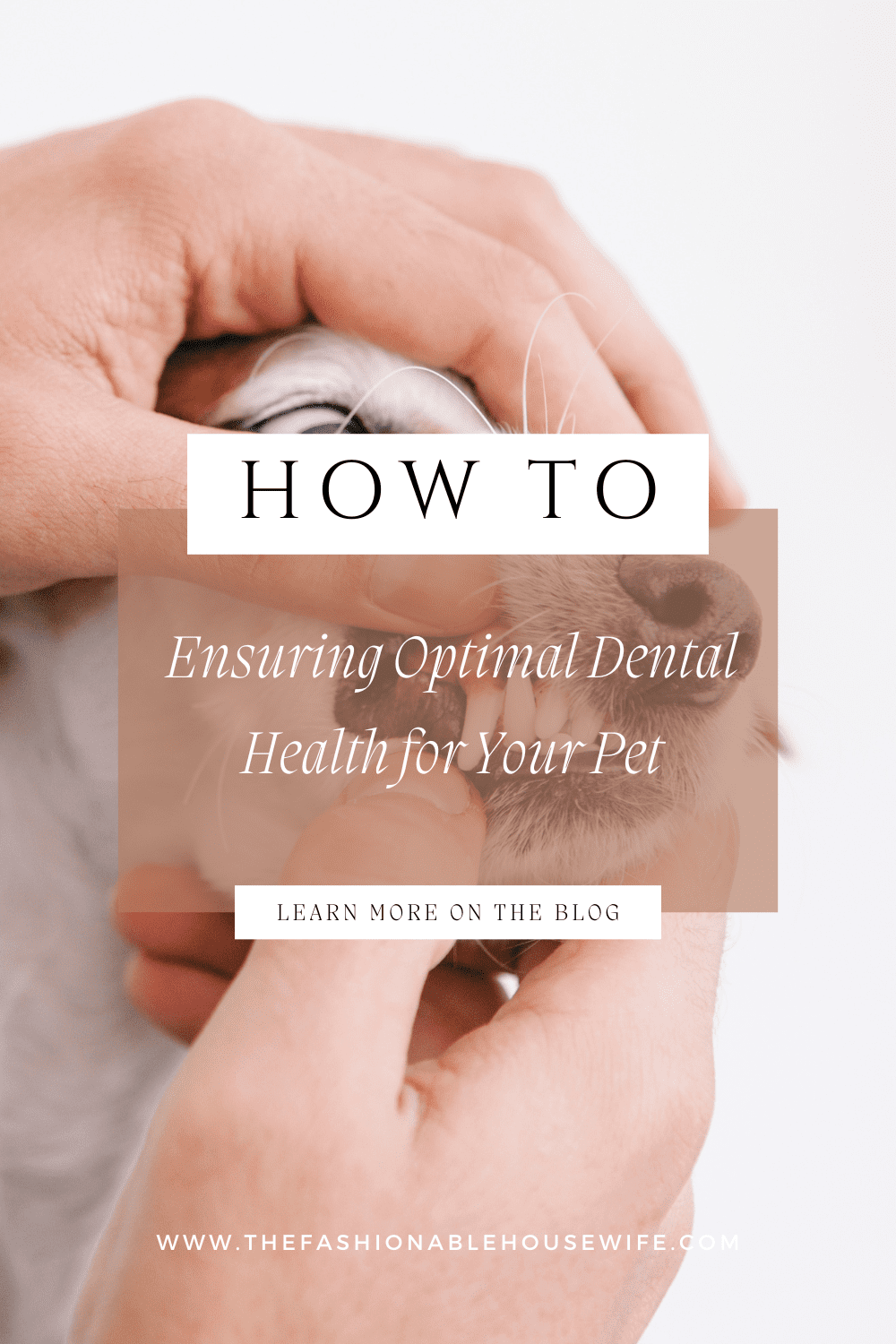
Ensuring Optimal Dental Health for Your Pet: Why Oral Care Matters
Key Takeaways
- Regular dental care prevents common issues like periodontal disease.
- Untreated dental problems can affect vital organs.
- Daily toothbrushing and routine veterinary check-ups are essential.
Table of Contents
- Common Dental Issues in Pets
- Impact of Dental Health on Overall Well-being
- Signs of Dental Problems in Pets
- Preventative Measures for Pet Dental Care
- Professional Dental Care for Pets
- Choosing the Right Dental Products
- Myths About Pet Dental Care
- Conclusion
Maintaining good oral hygiene is an important part of supporting pet’s overall well-being. Dental problems in animals can contribute to discomfort, difficulty eating, and other health concerns that may affect daily quality of life. Regular brushing, routine examinations, and balanced nutrition are often recommended to help reduce plaque buildup and maintain healthy teeth and gums. Many pet owners are also becoming more aware of how preventive oral care can help support their animals’ long-term health and comfort.
As awareness of pet wellness continues to grow, discussions about veterinary dental care Columbia CT, and similar services have become more common among pet owners seeking reliable information about oral health practices. Professional cleanings and early evaluations can help identify potential concerns before they progress. Along with at-home care routines, consistent attention to dental health may help pets remain more comfortable and active throughout different stages of life.
Common Dental Issues in Pets
Gum and dental issues are common in pets, especially as they get older. Periodontal disease, which involves inflammation and infection of the tissues around the teeth, is the most frequent dental problem and often shows no obvious early symptoms. Tooth resorption, especially common in cats, breaks down the tooth structure and can cause pain. Larger dog breeds may be prone to fractured teeth due to chewing on hard objects. All of these disorders can escalate quickly without timely intervention, leading to pain, infection, and even tooth loss.
Impact of Dental Health on Overall Well-being
The link between oral hygiene and total health cannot be overstated. Bacteria originating in the mouth can enter the bloodstream and spread to major organs, including the heart, kidneys, and liver. Chronic dental infections have been directly linked to heart disease and kidney failure in both cats and dogs. Therefore, maintaining your pet’s dental hygiene protects not only their mouth but their entire body.
Signs of Dental Problems in Pets
Pet owners should watch for several symptoms that may indicate oral health issues. These include persistent bad breath, reluctance to eat, dropping food, pawing at the mouth, visible brown or yellow buildup along the gumline, and bleeding or swollen gums. Some pets may appear irritable or less social when their teeth hurt. Detecting these signs early can ensure swift and effective treatment.
Preventative Measures for Pet Dental Care
Home care is key to reducing your pet’s risk of dental disease. Daily toothbrushing using pet-friendly toothpaste helps control plaque buildup and can even reverse early-stage gingivitis. Dental chews and treats formulated to clean teeth, as your pet chews, provide an enjoyable supplement. Special water additives are an easy way to help manage oral bacteria and reduce the risk of future tartar formation. Routine care, combined with professional veterinary recommendations and products, forms the backbone of effective prevention.
Professional Dental Care for Pets
While at-home maintenance is crucial, professional cleanings offer deeper care, especially for breeds that are prone to dental challenges. Veterinary professionals will conduct a thorough oral exam, clean teeth under anesthesia, and use dental x-rays to identify any hidden issues beneath the gumline. Annual check-ups allow for prompt response to existing problems, ensuring they are resolved before they worsen. Small breeds and senior pets may benefit from more frequent visits.
Choosing the Right Dental Products
Selecting effective dental care products can be overwhelming, as not all are equally beneficial. Items bearing the Veterinary Oral Health Council (VOHC) seal are clinically tested and proven to reduce plaque and tartar, making them a reliable choice. Dental diets, chews, and rinses specifically designed for pets support comprehensive oral care. Before introducing any new product, consult your veterinarian to ensure it suits your pet’s unique needs and lifestyle.
Myths About Pet Dental Care
Many misconceptions can limit a pet owner’s motivation to pursue regular dental care. For instance, some believe pets naturally have bad breath or that dry kibble alone ‘brushes’ a pet’s teeth. In reality, halitosis is almost always a sign of dental disease rather than something normal, and while crunchy foods can help, they are no substitute for brushing and veterinary oversight. Dispelling these myths ensures your pet receives the attentive care that keeps them healthy.
Conclusion
Caring for your pet’s teeth is a proactive step toward long-term wellness. When pet owners commit to daily oral hygiene and schedule regular veterinary exams, pets are less likely to suffer from the pain and systemic complications that stem from neglected dental care. Make dental health a priority for your furry companion so they can enjoy a comfortable, active, and happy life.