
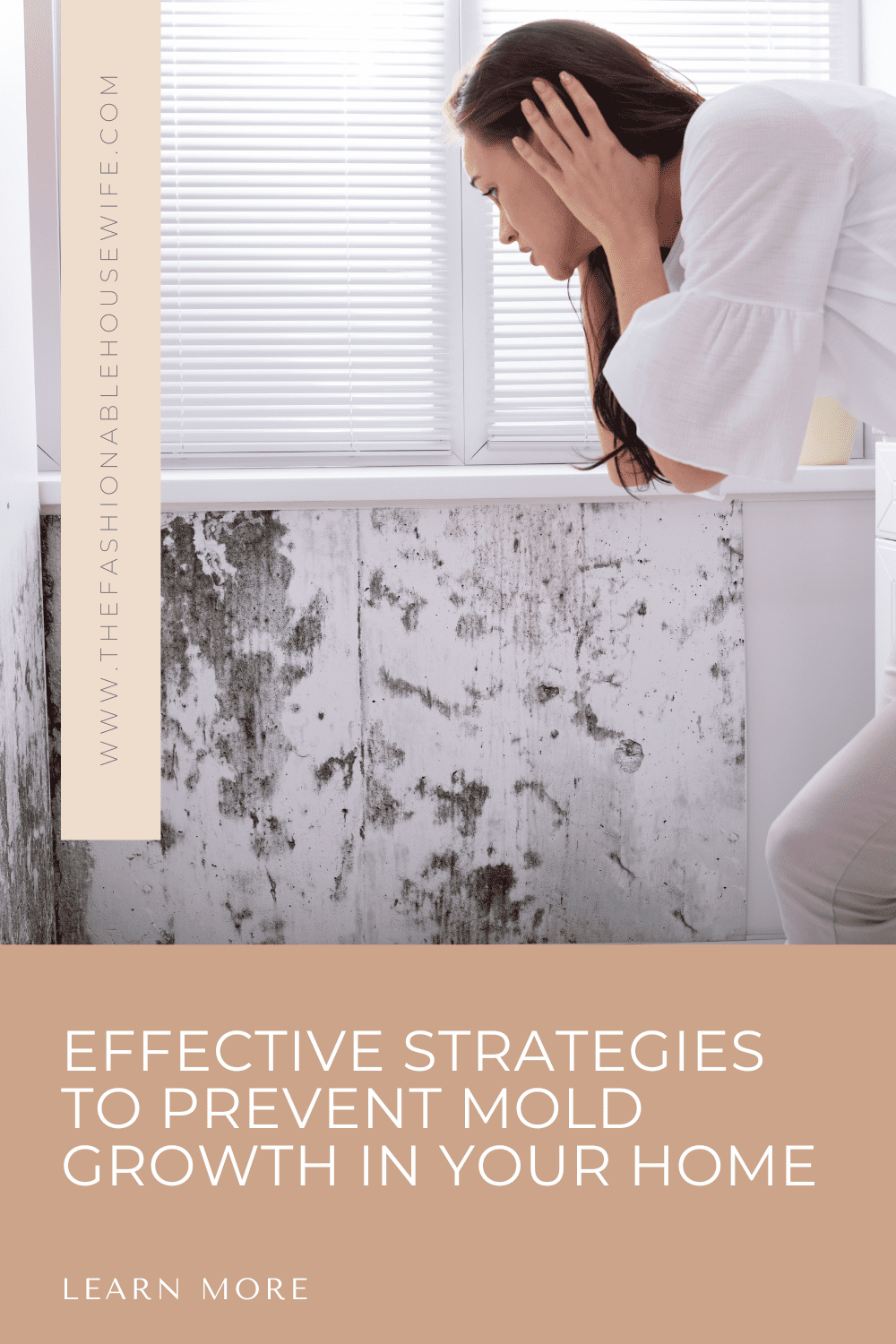
Effective Strategies to Prevent Mold Growth in Your Home
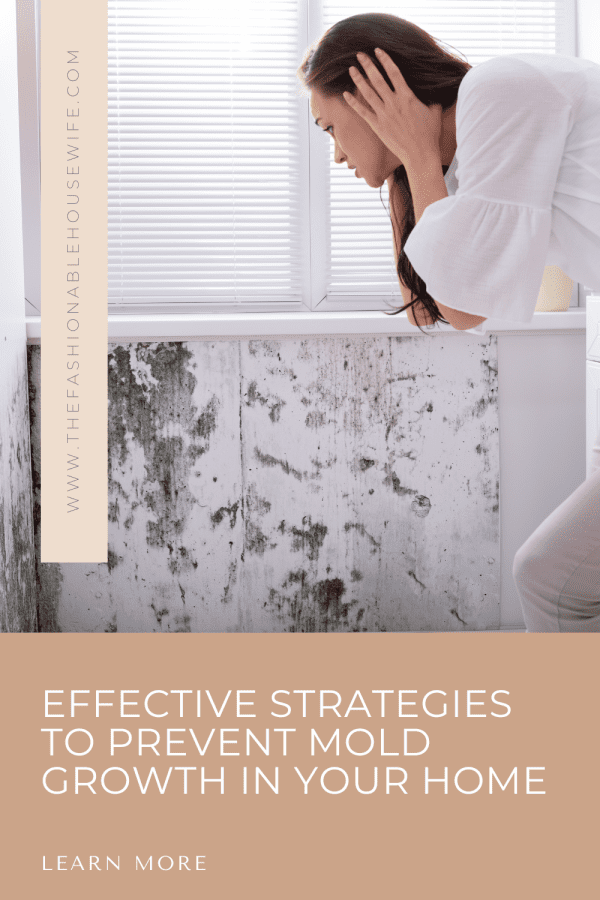
Key Takeaways
- Maintain indoor humidity levels below 50% to deter mold growth.
- Ensure proper ventilation in high-moisture areas, such as bathrooms and kitchens.
- Address water leaks promptly to prevent moisture accumulation.
- Regularly clean and dry areas prone to dampness.
- Use mold-resistant products in susceptible areas.
Mold is more than just a cosmetic problem—it poses serious health risks and can cause lasting damage to your home’s structure if left unchecked. To maintain a healthy living environment and prevent costly repairs, it’s crucial to understand the conditions that allow mold to thrive and learn the best ways to stay ahead of infestations. If you’re concerned about existing mold in your home, it may be wise to consult Professional mold removal Ottawa for a comprehensive assessment and remediation.
Taking preventative action is far easier and more effective than removing mold once it has developed. Not only does mold affect air quality by releasing spores, but it can also exacerbate respiratory conditions such as asthma and allergies, making mold prevention essential for a comfortable, safe home.
Understanding Mold and Its Causes
Mold is a type of fungus that spreads through microscopic spores. It grows rapidly in moist, warm environments—such as bathrooms, kitchens, basements, and any area affected by water damage. High indoor humidity, leaky pipes, and poor ventilation are typical causes of household mold. The Centers for Disease Control and Prevention (CDC) recommends maintaining indoor humidity as low as possible, ideally no higher than 50% at all times, to discourage mold growth. Employing air conditioners and dehumidifiers can help achieve these ideal conditions.
Common sites for mold infestations include windowsills, ceilings, under sinks, and around leaky appliances. Mold is especially prolific when standing water or lingering dampness persists after plumbing issues, heavy rainfall, or flooding. Preventative efforts focus on keeping these areas dry and well-ventilated to eliminate the moisture that mold needs to survive.
Maintain Optimal Humidity Levels
Consistently managing indoor humidity is one of the most effective ways to prevent mold. A simple device called a hygrometer allows homeowners to keep tabs on the relative humidity inside the house. If readings regularly exceed 50%, operating a dehumidifier can help pull excess moisture out of the air, particularly in naturally damp spaces like basements and crawl spaces. Air conditioners, in addition to cooling, also reduce humidity and can be valuable during humid summer months. For allergy and asthma sufferers, reducing humidity isn’t just about mold prevention—it’s also essential for limiting dust mites and other allergens. For additional information about the impact of humidity on indoor air quality, consult this EPA guide to mold prevention and indoor air quality. Maintaining proper ventilation, such as running exhaust fans during cooking and showering, further supports humidity control and helps prevent moisture buildup. Regularly checking for leaks or condensation around windows, pipes, and roofs can also prevent hidden moisture sources from creating ideal conditions for mold growth.
Ensure Proper Ventilation
Airflow plays a significant role in deterring mold. Kitchens, bathrooms, laundry rooms, and attics are moisture-prone areas, and without adequate ventilation, the risk of mold increases dramatically. Exhaust fans should be installed in bathrooms and above stoves to vent moist air outdoors, not just into attics or crawl spaces. Always ensure your dryer is venting to the outside as well. Regularly opening windows and running ceiling fans can also facilitate air circulation and help evaporate excess moisture in problem areas. The Environmental Protection Agency highlights that poor air circulation is a common factor in mold outbreaks.
Address Water Leaks Promptly
Water leaks—whether from roofs, windows, appliances, or plumbing—introduce moisture, creating prime conditions for mold. Homeowners should make it a habit to routinely check for signs of water damage in basements, around sinks, and behind appliances. Even a small, slow leak can fuel mold growth behind walls or under floors. Promptly addressing leaks and repairing faulty seals can dramatically reduce the risk, and regular home inspections can identify problems before mold takes hold.
Clean and Dry Damp Areas Quickly
If your home experiences a spill, appliance overflow, or flooding, act quickly to clean and dry the area. Mold can start to develop in as little as 24–48 hours, so it’s important to remove standing water, disinfect hard surfaces, and use fans or dehumidifiers to expedite drying.
Use Mold-Resistant Products
When renovating or building in high-risk areas, select materials that help prevent mold. Mold-resistant drywall, paints fortified with mildew inhibitors, and waterproof sealants are excellent options for bathrooms, basements, and kitchens. These products create a barrier that makes it more difficult for mold to penetrate and grow, offering peace of mind and added protection for your home.
Regular Maintenance and Cleaning
Preventative care is integral to keeping mold at bay. Regular cleaning helps remove dust and potential spores on surfaces, while good home maintenance minimizes opportunities for moisture buildup. Clean gutters and downspouts as clogged systems can lead to water pooling near your foundation, increasing basement moisture and mold potential. Keep HVAC systems in good condition and check that air filters are changed frequently to maintain air quality throughout the home.
Conclusion
Mold prevention begins with moisture control. By keeping humidity low, ensuring ample ventilation, promptly resolving leaks, and choosing materials that resist mold, you protect both your property and your well-being. Regular inspections and proactive maintenance are your best defenses against mold growth, helping you foster a safer, healthier home for your family.