

Boost Your Home’s Value: Key Outdoor Renovations for Maximum Curb Appeal

Foundational Upgrades For Instant Curb Appeal

Boosting home value and enhancing daily living often starts right outside our doors. We understand the power of a well-executed outdoor home renovation. It’s more than just aesthetics; it’s about creating functional, inviting spaces that extend our living area and make a lasting first impression. From welcoming front yards to serene backyard retreats, thoughtful exterior upgrades can significantly increase curb appeal and provide immense personal enjoyment. We’ll explore how strategic changes, like updating landscaping, refreshing paint, or adding a modern garage door renovation (which can dramatically improve our home’s façade), can transform our homes and offer a fantastic return on investment.
The exterior of our home is the first impression it makes, setting the tone for what lies within. Investing in foundational upgrades not only improves curb appeal but also provides long-term protection and value. These projects are often high on the list for homeowners looking to make a significant impact.
Siding replacement is one of the most transformative updates we can undertake. New siding not only revitalizes the home’s appearance, making it look like a million bucks from the curb, but also offers superior protection from the elements. This crucial layer shields our home from weather, pests, and wear, ensuring its structural integrity for decades. Among the various options, fiber cement siding stands out. It’s renowned for its durability, resistance to rot, pests, and fire, and its ability to hold paint longer, reducing maintenance needs. Builders widely agree that re-siding with fiber cement significantly increases a home’s appraisal value, making it a smart investment for both aesthetics and financial returns.
Beyond the walls, the roof is another critical component. A new roof tops the list of desired exterior improvements for prospective buyers, highlighting its importance in both protection and perceived value. Modern roofing materials offer improved durability and energy efficiency, contributing to a more comfortable interior and potentially lower utility bills.
Energy-efficient windows and doors are also highly desired improvements. They play a dual role: improving the home’s aesthetic with updated styles and frames, while also significantly boosting energy performance. By minimizing heat transfer, these upgrades help maintain stable indoor temperatures, reducing the workload on our HVAC systems.
The front door, often called the “smile” of the house, offers an immediate opportunity to update our home’s character. A fresh coat of paint in a vibrant color or a complete door replacement can dramatically alter the entryway’s appeal, welcoming guests with style. Similarly, the garage door occupies a significant portion of our home’s facade. Updating this element can have a profound impact, changing a utilitarian feature into an architectural statement. For those considering a significant exterior refresh, exploring resources on Good Golly outdoor garage door renovation can provide valuable inspiration and expertise on how this often-overlooked feature can dramatically lift our home’s exterior.
Finally, a fresh coat of exterior paint or new siding can tie all these elements together. Color schemes play a crucial role in defining the home’s architectural style, whether we aim for a classic, modern, or rustic look. Choosing the right colors can highlight architectural details, create visual interest, and significantly boost the home’s overall curb appeal.
Improving Your Home’s Facade
The facade is the face of our home, and its presentation directly influences its curb appeal. Improving this area involves a thoughtful combination of elements, each contributing to a cohesive and attractive exterior.
Siding materials, as discussed, are fundamental. Whether it’s the classic charm of wood, the low maintenance of vinyl, or the robust elegance of fiber cement, the choice of material dictates much of the home’s character. Each option offers distinct textures, colors, and installation patterns that can dramatically alter the home’s visual weight and style.
Window replacement goes beyond energy efficiency. New windows, with their updated frames and glazing, can modernize an older home or improve the traditional charm of a classic design. The style of windows, be it double-hung, casement, or bay, should complement the home’s architecture.
Paint color schemes are powerful tools for change. A well-chosen palette can make a small home appear larger, a dated home feel contemporary, or a bland exterior burst with personality. Neutral primary colors like beige, brown, or gray provide a versatile backdrop, while bright accent colors on the front door or trim can add a pop of character.
Architectural details, such as trim, molding, and cornices, are the subtle improvements that add depth and sophistication. Restoring or adding these elements can accentuate the home’s inherent style, providing visual interest and a sense of craftsmanship. Shutters, whether functional or purely decorative, can further improve windows, offering a personalized and lived-in look that complements the overall design.
The Impact Of A High-Quality Outdoor Home Renovation
Investing in a high-quality outdoor home renovation yields multiple benefits that extend far beyond immediate aesthetics. These projects are not merely expenses but strategic investments in our property and lifestyle.
The most immediate impact is on home value. A modernized exterior, improved landscaping, and functional outdoor living spaces are highly attractive to prospective buyers, often resulting in a higher selling price and faster sales. A new roof, energy-efficient windows, and updated siding are consistently cited as top desired improvements.
First impressions are paramount. A well-maintained and aesthetically pleasing exterior creates a welcoming atmosphere, reflecting pride of ownership and setting a positive tone for visitors and neighbors alike. This initial positive perception contributes significantly to curb appeal, which is a major factor in real estate.
Beyond aesthetics, these renovations provide crucial weather protection. Durable siding, a robust roof, and properly sealed windows and doors shield the home from harsh weather conditions, preventing moisture intrusion, structural damage, and costly repairs down the line. This long-term protection ensures the longevity and integrity of the entire structure.
Energy efficiency is another significant advantage. Upgrades like insulated siding, energy-efficient windows, and well-sealed doors reduce heating and cooling costs, leading to lower monthly utility bills and a smaller carbon footprint. This not only saves money but also contributes to a more sustainable living environment.
Finally, the durability of materials chosen for a high-quality renovation ensures that these benefits last. Investing in robust, weather-resistant materials means less maintenance, fewer repairs, and sustained beauty for years to come, maximizing the return on our renovation investment.
Creating Functional Outdoor Living Spaces
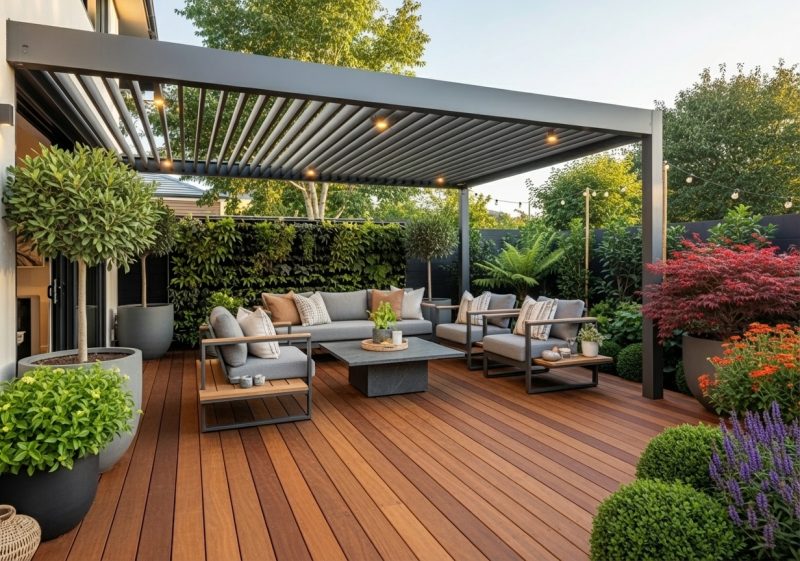
Extending our living space beyond the interior walls has become a priority for many homeowners. Creating functional outdoor living areas allows us to enjoy the fresh air, entertain guests, or simply relax in comfort. These spaces act as natural extensions of our home, blurring the lines between indoors and out.
Patios, decks, and porches are the foundational elements of any outdoor living design. A patio, typically at ground level, offers immense versatility and is often the easiest option for DIY enthusiasts. Made from concrete, pavers, or natural stone, it provides a sturdy, low-maintenance foundation perfect for fire pits, dining areas, or casual seating.
Decks, usually liftd structures, are ideal for entertaining. They can be attached to the house or free-standing, offering space for grilling, dining, and lounging. Materials range from traditional wood, which offers a natural aesthetic but requires regular maintenance, to composite materials that provide durability and low upkeep.
Porches, characterized by their covered nature, offer a cozy retreat. They can be screened in to keep pests at bay, providing a comfortable, semi-enclosed space for relaxation. Made from wood, vinyl, or composite, porches add significant character to a home’s exterior and can be designed to match the interior decor.
Pergolas, with their open lattice roofs, add architectural interest and provide partial shade, creating a defined space within the yard. For those in warmer climates, California Rooms offer a seamless indoor-outdoor transition, often featuring retractable glass walls that allow the space to be fully open or enclosed as desired.
When planning these significant additions, especially larger, more complex structures or multi-functional outdoor environments, consulting experts who specialize in Cedar Creek outdoor living renovations can be invaluable. Their experience ensures that the design is not only aesthetically pleasing but also structurally sound, compliant with local codes, and perfectly custom to our lifestyle. The ultimate goal is to achieve a harmonious indoor-outdoor flow, making our entire property feel larger and more integrated.
Patios, Decks, And Porches: Choosing Your Foundation
Selecting the right outdoor foundation for our home depends on a variety of factors, including budget, desired functionality, maintenance preferences, and aesthetic goals. Here’s a comparison to help guide our decision:
Feature Patios Decks Porches Material Options Concrete, Pavers, Natural Stone, Brick Wood (cedar, redwood, pressure-treated), Composite, PVC Wood, Vinyl, Composite Maintenance Low (sealing, occasional cleaning) Moderate (wood needs regular sealing/staining, composite is low) Moderate (cleaning, occasional painting/staining for wood) Best Use Cases Versatile, fire pits, dining, easy DIY, ground-level Entertaining, liftd spaces, grilling, pools, views Covered relaxation, pest protection (screened), character, front entry Pavers offer incredible design flexibility. Available in various shapes, sizes, and colors, they can create intricate patterns for walkways, driveways, and patios. Their interlocking system allows for movement without cracking, and individual pavers can be replaced if damaged.
Composite decking has gained immense popularity for its durability and low maintenance. Made from a blend of wood fibers and recycled plastics, it resists rot, insects, and splintering, never requiring sanding or staining. While the initial cost might be higher than wood, the long-term savings on maintenance often make it a cost-effective choice.
Natural stone, such as bluestone, flagstone, or slate, brings an unparalleled elegance and organic beauty to patios and walkways. Each piece is unique, creating a timeless and sophisticated outdoor space. While it can be a more costly option, its longevity and natural aesthetic are highly valued.
Concrete is a highly versatile and cost-effective material for patios. It can be stained, stamped, or textured to mimic other materials like stone or brick, offering a wide range of design possibilities. Its durability makes it a practical choice for high-traffic areas.
Wood, including cedar, redwood, and pressure-treated pine, provides a classic, warm aesthetic for decks and porches. It’s a natural material that blends beautifully with outdoor environments. However, wood requires regular maintenance, such as cleaning, sealing, and staining, to protect it from weather and prevent rot or warping.
Enhancing Comfort And Functionality
Once the foundation is in place, the next step is to transform these structures into truly comfortable and functional outdoor havens. Thoughtful additions can lift the experience, making these spaces as inviting and practical as any indoor room.
Outdoor furniture is key to comfort. Durable, weather-resistant pieces designed for outdoor use can withstand the elements while providing stylish seating and dining options. From plush sectionals to neat dining sets and cozy lounge chairs, selecting the right furniture defines the space’s purpose and ambiance.
Shade solutions are essential for enjoying outdoor spaces during warmer months. The sun’s intensity can make an uncovered patio or deck unusable for much of the day. Pergolas, with their slatted roofs, offer partial shade and a defined architectural element. They can be improved with climbing plants for natural cooling or with fabric canopies for more complete sun protection. Retractable awnings provide flexible shade on demand, allowing us to enjoy full sun or complete shade at the touch of a button, also offering protection from light rain. Privacy screens, made from wood, metal, or dense plantings, create intimate zones, shielding our outdoor sanctuary from neighbors or unsightly views.
For cooler evenings or seasons, outdoor heating extends the usability of our spaces. Fire pits, whether built-in or portable, provide warmth and a natural gathering point, fostering conversation and relaxation. Patio heaters, fueled by propane or natural gas, offer targeted warmth, ensuring comfort even when temperatures drop. These elements allow us to maximize our time outdoors, making our investment truly worthwhile.
The Art Of A Cohesive Landscape And Hardscape Design
A truly exceptional outdoor environment is one where every element, from the soft textures of plants to the solid forms of stone, works in harmony. This is the art of cohesive landscape and hardscape design. It’s about more than just planting flowers or laying a patio; it’s about creating a unified vision that improves the home’s architecture and provides a functional, beautiful extension of our living space.
Landscape design involves the strategic placement of plants, trees, and shrubs to create visual interest, define areas, and complement the hardscaping. It considers factors like climate, soil type, and maintenance requirements to ensure a thriving environment.
Hardscape elements are the non-living features of the landscape, providing structure and functionality. This includes walkways, patios, retaining walls, and outdoor kitchens. When designed thoughtfully, these elements guide movement, create distinct zones, and provide durable surfaces for various activities.
Walkways are crucial for guiding foot traffic and connecting different areas of the yard. Materials like pavers, natural stone, or gravel can be chosen to match the home’s style and the overall landscape theme. Retaining walls serve both practical and aesthetic purposes, managing slopes, preventing erosion, and creating raised garden beds or terraced areas. They can be constructed from stone, concrete blocks, or timber, adding texture and dimension to the landscape.
For homeowners envisioning a complete change that integrates all these elements seamlessly, from intricate garden designs to robust hardscape installations, seeking expertise in AJM outdoor home renovation can provide the comprehensive planning and execution needed to bring such a grand vision to life. The goal is always to create a cohesive environment where softscaping and hardscaping merge effortlessly, resulting in an outdoor space that feels intentional, harmonious, and deeply connected to the home.
Integrating Softscaping And Hardscaping
The magic of a truly beautiful outdoor space lies in the seamless integration of softscaping (plants) and hardscaping (non-living elements). This synergy creates depth, texture, and functionality, changing a simple yard into a vibrant, inviting environment.
Plant selection is paramount. Choosing native plants that thrive in our local climate reduces the need for excessive watering and maintenance. Incorporating a variety of textures, colors, and heights through garden beds adds visual interest and defines different zones within the landscape. Thoughtful placement can create natural privacy screens, shade, or focal points.
For those seeking low maintenance and water conservation, artificial turf has become a popular option. It provides the lush look of a natural lawn without the need for mowing, watering, or fertilizing, integrating well with surrounding hardscaping.
Paver patios and stone walkways are excellent examples of hardscaping that blend with softscaping. The geometric patterns of pavers can be softened by surrounding garden beds, while the organic lines of natural stone paths can lead through lush plantings. These elements provide durable surfaces for movement and gathering, while the plants add life and beauty.
Landscape lighting is another critical component, bridging the gap between functionality and aesthetics. Strategically placed lights can illuminate pathways for safety, highlight architectural features or specimen plants, and create a captivating ambiance after dusk.
Finally, water features like fountains, ponds, or even a simple bird bath, introduce a sensory element. The gentle sound of trickling water adds tranquility, while the visual movement creates a dynamic focal point that complements both the plants and the hardscape.
The Role Of Lighting In An Outdoor Home Renovation
Outdoor lighting is more than just a practical necessity; it’s an art form that can dramatically transform the ambiance, safety, and usability of our outdoor spaces after sunset. A well-designed lighting plan integrates various types of illumination to create a multi-layered and inviting environment.
Ambient lighting provides general illumination, ensuring that the entire area is comfortably lit without being overly bright. This can be achieved with overhead fixtures, wall-mounted sconces, or diffused path lights. The goal is to create a soft glow that allows for easy movement and conversation.
Task lighting is focused illumination designed for specific activities. For an outdoor kitchen, this might involve brighter lights over the grill and prep areas. For a dining patio, it could be pendant lights or lanterns that provide sufficient light for meals.
Accent lighting is used to highlight specific features, adding drama and visual interest. This could involve uplighting a majestic tree, spotlighting a beautiful sculpture, or washing a textured wall with light. Accent lighting draws the eye to key elements, creating focal points and depth in the landscape.
Pathway lights are crucial for safety and navigation. Placed along walkways, steps, and garden paths, they guide visitors and prevent trips and falls. These lights should be subtle, providing enough illumination to see the path without creating glare.
String lights, often associated with festive occasions, can also be incorporated into everyday outdoor living for a whimsical and inviting atmosphere. Strung across a patio or pergola, they add a warm, twinkly glow that encourages relaxation and enjoyment.
In all these applications, energy-efficient LED technology is the modern standard. LEDs consume significantly less energy, have a much longer lifespan, and offer a wide range of color temperatures, allowing for precise control over the mood and aesthetic of our outdoor lighting scheme. Thoughtful lighting design truly brings our outdoor renovations to life once the sun goes down.
Embracing Modern Trends For A Resort-Style Backyard
The dream of a resort-style backyard is no longer confined to luxury hotels; it’s an achievable reality for homeowners looking to lift their outdoor living experience. Modern trends in outdoor renovation focus on creating luxurious, comfortable, and highly functional spaces that rival the amenities of a high-end retreat.
Outdoor kitchens are at the forefront of this trend, changing simple backyard barbecues into sophisticated culinary centers. Equipped with built-in grills, refrigerators, sinks, and ample counter space, they allow for full meal preparation and entertaining al fresco.
Fire pits, whether gas-powered or wood-burning, serve as natural gathering spots. They provide warmth, ambiance, and a focal point for evening conversations, extending the usability of the outdoor space into cooler nights.
Water features, from serene ponds and bubbling fountains to elaborate waterfalls, introduce a sense of tranquility and natural beauty. The soothing sounds of water can mask urban noise, creating a peaceful oasis. Increasingly, homeowners are exploring natural pools, which use biological filtration systems instead of chemicals, offering a more eco-friendly and aesthetically integrated swimming experience.
Beyond these tangible features, smart technology is making its way outdoors. Automated lighting systems, smart irrigation, and outdoor entertainment setups can be controlled with a smartphone, adding convenience and a touch of luxury. The integration of sustainable materials, such as recycled decking, permeable pavers, and native drought-tolerant plants, reflects a growing commitment to environmental responsibility without compromising on style or comfort. These trends collectively contribute to creating a backyard that feels like a permanent vacation.
Must-Have Features For Modern Outdoor Living
To truly achieve a resort-style backyard, incorporating a selection of modern, sought-after features is key. These elements not only improve functionality but also lift the aesthetic and experiential quality of our outdoor spaces.
Here are some of the top outdoor living trends we’re seeing:
- Built-In Grills and Outdoor Refrigerators: Moving beyond portable grills, integrated cooking stations with professional-grade grills and dedicated refrigeration units make outdoor entertaining effortless.
- Fire Tables and Fire Bowls: These sophisticated alternatives to traditional fire pits offer a sleek design, often powered by gas, providing warmth and ambiance with minimal effort.
- Fountains and Ponds: Adding the calming sound and visual appeal of water through neat fountains or naturalistic ponds creates a serene atmosphere.
- Smart Irrigation Systems: Technology that monitors weather and soil moisture to water plants efficiently, saving water and ensuring a healthy landscape.
- Outdoor Entertainment Systems: Weather-resistant televisions and integrated sound systems allow for movie nights under the stars or background music for gatherings.
- Automated Lighting: Programmable lighting schemes that can be controlled remotely, setting the perfect mood for any occasion.
- Vertical Gardens and Living Walls: Maximizing space and bringing greenery to unexpected places, these add a unique aesthetic and can even provide fresh herbs.
- Permaculture Elements: Integrating edible landscapes, rainwater harvesting, and composting systems for a more sustainable and self-sufficient backyard.
- Comfortable, Durable Outdoor Furniture: Investing in high-quality, weather-resistant seating, dining sets, and loungers designed for long-term comfort and style.
- Multi-functional Spaces: Designing areas that can easily transition from a quiet reading nook to a lively dining space or an active play zone.
Designing Your Personal Oasis
Creating a personal oasis means designing an outdoor space that caters specifically to our desires for relaxation, entertainment, and connection with nature. It’s about curating an environment that evokes the feeling of a luxurious getaway, right in our own backyard.
The essence of a resort-style experience lies in thoughtful planning and attention to detail. This begins with defining distinct seating zones. A cozy lounge area with deep cushions and a fire pit might be perfect for intimate conversations, while a larger dining area under a pergola can host lively dinner parties. A secluded hammock or a pair of chaise lounges by the pool could form a dedicated relaxation spot.
Entertainment areas should be designed with flow and convenience in mind. An outdoor kitchen, complete with a bar and ample counter space, can serve as the hub for social gatherings. Proximity to a pool, hot tub, or a dedicated game area improves the recreational aspect. Consider incorporating elements like outdoor speakers or a weather-resistant TV for an immersive entertainment experience.
Crucially, the design of our outdoor oasis should always aim to complement the architectural style of the home. Whether our home is modern, traditional, Mediterranean, or rustic, the outdoor spaces should feel like a natural extension, using similar materials, color palettes, and design motifs. This ensures a harmonious aesthetic that improves the overall property. By carefully considering these elements, we can transform our backyard into a luxurious retreat that offers comfort, beauty, and endless enjoyment.
Frequently Asked Questions About Outdoor Renovations
What Are The Most Popular Outdoor Remodeling Projects?
Decks and Patios are consistently popular for creating living space, offering versatile platforms for dining, lounging, and entertaining. Other common projects include landscaping overhauls, which can range from simple garden improvements to the installation of artificial turf for low maintenance. Many homeowners also invest in creating outdoor kitchens, adding fire pits for ambiance and warmth, and updating siding for improved curb appeal and home protection. These projects collectively improve both the aesthetic and functional value of a home’s exterior.
How Can I Make An Old Home’s Exterior Look Modern?
To modernize an exterior, the focus should be on achieving clean lines and simple forms. This can be achieved by updating existing siding with contemporary materials like fiber cement, or by applying a fresh coat of paint in a modern, neutral color palette with bold accents. Replacing outdated or ornate trim with sleeker designs, installing new energy-efficient windows with minimalist frames, and upgrading the front door and garage door to more contemporary styles can also make a significant difference. Removing fussy decorative elements and incorporating natural materials like wood or stone can further improve a modern aesthetic.
What Should I Consider When Planning An Outdoor Remodel?
Key considerations when planning an outdoor remodel include setting a realistic overall budget that accounts for materials, labor, and potential unforeseen costs. It’s important to ensure the design complements the architectural style of your home for a cohesive look. The local climate will influence material choices, requiring weather-resistant and durable options. Understanding the long-term maintenance requirements for different materials and features is also crucial. Finally, clearly defining how you intend to use the space—whether for relaxing, entertaining, cooking, or a combination—will guide design decisions and ensure the finished project meets your lifestyle needs.
Conclusion
Outdoor home renovations offer a unique opportunity to significantly improve both the aesthetic appeal and functional utility of our living spaces. We’ve seen how foundational upgrades like new siding, roofing, and windows can dramatically boost curb appeal and provide lasting protection, while also contributing to energy efficiency. Creating functional outdoor living areas through thoughtfully designed patios, decks, and porches extends our usable space, offering new avenues for relaxation and entertainment.
The art of integrating cohesive landscape and hardscape elements, from strategic plant selection to ambient lighting, transforms a simple yard into a harmonious environment. Furthermore, by embracing modern trends such as outdoor kitchens, fire pits, and smart technology, we can curate a resort-style backyard that truly feels like a personal oasis.
The benefits extend beyond immediate enjoyment. Investing in these high-quality renovations provides significant long-term value, increasing our home’s market appeal and resale potential. More importantly, these improvements foster a lifestyle improvement, encouraging us to spend more time outdoors, connect with nature, and create lasting memories with family and friends.
As we consider the possibilities, we encourage every homeowner to envision the potential of their outdoor spaces. With careful planning and consideration of our unique needs and desires, an outdoor home renovation is an investment that pays dividends in both tangible value and improved quality of life. Let’s start planning our next project and open up the full potential of our homes, inside and out.