
Best Practices for a Healthy Dental Routine
Table of Contents
- Brushing Techniques
- Flossing Importance
- Mouthwash Benefits
- Dietary Choices
- Hydration
- Regular Dental Visits
- Avoiding Harmful Habits
- Oral Health Awareness
Good oral health plays a crucial role in your overall well-being and quality of life. Adopting the proper dental habits can prevent not just cavities and gum disease but also more serious health complications over time. Whether you are starting a new routine or looking to enhance your current one, understanding best practices is key. This guide brings together expert advice to help you make informed decisions about your daily oral hygiene. If you need personalized care or have questions about your dental health, you may find more information from a dentist in Bradenton who can guide you based on your specific needs.
Practicing a consistent dental routine does more than brighten your smile. It reduces the risk of painful dental problems and contributes to overall self-confidence. Following expert-recommended tips can help keep every part of your mouth as healthy as possible, now and over the years.
Small habits can make a dramatic difference in your dental health. Simple steps like using the correct pressure when brushing and following up with daily flossing can spare you from major procedures down the road. It is also important to use dental products approved by major health organizations for added protection and peace of mind. For further insights, browse the studies offered by the CDC’s Oral Health section, which detail the impact of proper dental routines nationally and globally.
Brushing Techniques
How to Brush Effectively
Most dental professionals agree that brushing twice a day with fluoride toothpaste is the cornerstone of a healthy dental routine. Use a soft-bristled toothbrush and hold it at a 45-degree angle toward your gums. Gently move in small, circular motions to completely clean the front, back, and chewing surfaces of every tooth. Overly aggressive brushing or using a hard-bristled brush can actually cause gum recession and enamel wear. Dentists recommend replacing your toothbrush every three months or sooner if the bristles are frayed.
Time It Right
Spending at least two minutes each time you brush can significantly improve plaque removal. Timers or electric toothbrushes with built-in reminders can help ensure you are brushing thoroughly and evenly.
Flossing Importance
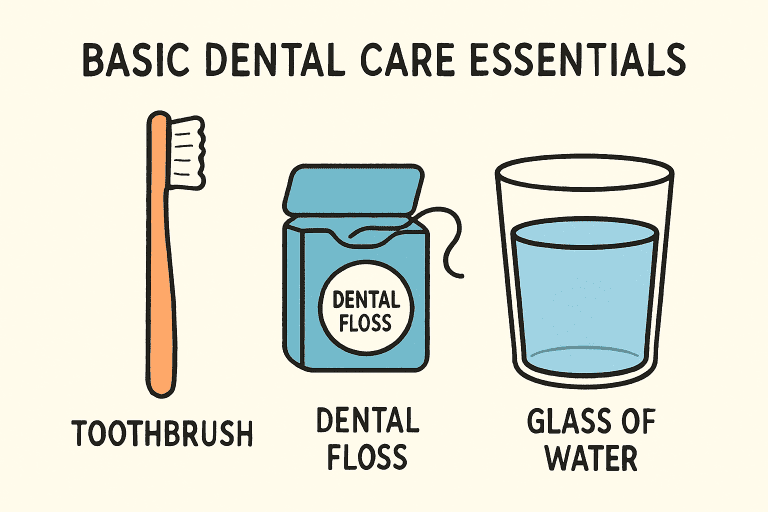
Brushing alone cannot reach the tight spaces between teeth where food particles and plaque gather. Flossing daily eliminates these threats and significantly reduces your chances of developing cavities and gum disease. Use an 18-inch piece of dental floss and curve it around each tooth in a C-shape, carefully gliding up and down to get just below the gumline. If traditional floss proves challenging, dental picks or water flossers are also effective alternatives. According to experts featured in the Washington Post, diligent flossing is as important as brushing for preventing tooth decay and supporting gum health.
Mouthwash Benefits
An alcohol-free mouthwash adds another layer of defense to your daily regimen. It helps reduce bacteria, keeps your breath fresh, and strengthens enamel. Look for options that contain fluoride and antimicrobial ingredients for maximum benefits. Swishing with mouthwash for 30 seconds after brushing and flossing can reach areas that brushing might miss, promoting all-around oral protection. The AARP recommends selecting mouthwashes with added fluoride for enhanced cavity protection.
Dietary Choices
Your diet can significantly impact your oral health. Reducing your consumption of sugary and acidic foods decreases your risk of enamel erosion and cavities. Instead, focus on nutrient-rich foods, such as leafy greens, crunchy vegetables, whole fruits, lean proteins, nuts, and dairy. Such choices provide essential vitamins and minerals to keep your teeth and gums strong. The AARP also notes the importance of limiting snacks throughout the day to lower acid attacks on your enamel.
Hydration
Staying hydrated with plenty of water aids oral hygiene in several essential ways. Water helps remove food debris and neutralize acids that erode teeth. Moreover, adequate hydration supports saliva production, which is necessary for washing away harmful bacteria. The U.S. News notes the role that water plays as the safest beverage for both dental and overall health.
Regular Dental Visits
Visiting a dentist twice a year for a cleaning and checkup ensures that issues are detected early, when they are easier and less costly to address. Routine professional cleanings remove plaque and tartar buildup that daily brushing and flossing cannot. Regular exams also allow for oral cancer screenings and guidance on proper home care, as emphasized in the Washington Post.

Avoiding Harmful Habits
Some habits can undo even the best oral hygiene routines. Tobacco use and excessive alcohol consumption are strongly tied to gum disease, tooth loss, and oral cancer. Chewing on objects like pens, ice, or fingernails can crack teeth and harm dental work. Being mindful of these risks and making conscious changes helps preserve your dental health. For more information on harmful oral habits and their impacts, refer to the CDC resources.
Oral Health Awareness
Global initiatives such as World Oral Health Day, celebrated every March 20th, exist to spread awareness and inspire better oral hygiene practices worldwide. Participating in local events or sharing information about proper dental care helps communities recognize the importance of oral health. More about World Oral Health Day is available on Wikipedia.
Making small, consistent changes to your dental care routine and regularly consulting with professionals will help you achieve a healthier smile that lasts a lifetime.