
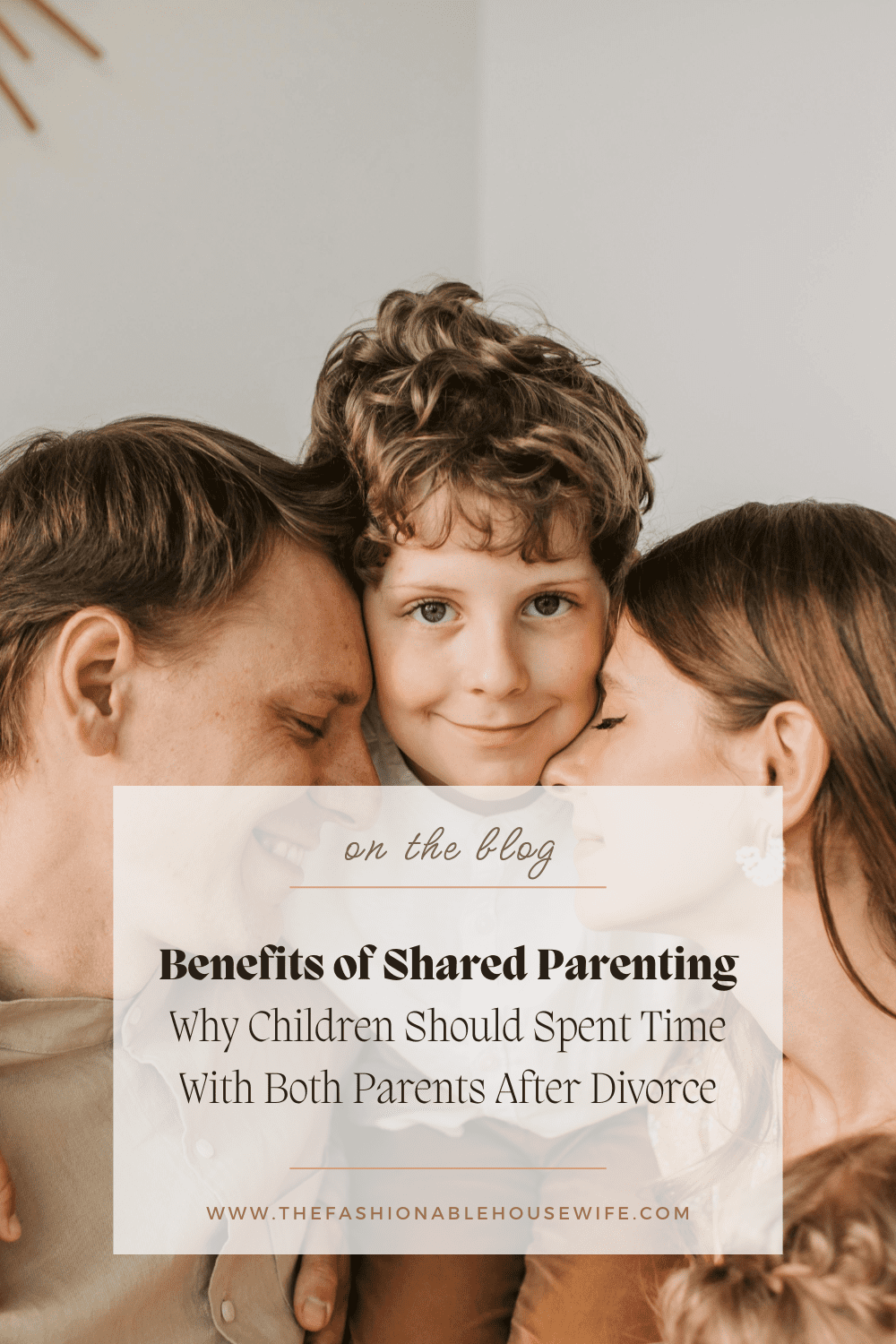
Benefits of Shared Parenting: Why Children Should Spent Time With Both Parents After Divorce
Key Takeaways
- Spending time with both parents after divorce boosts children’s emotional security and overall happiness. Kids who feel stable and connected to both parents are less likely to experience the negative psychological effects often linked to family breakups.
- Shared parenting promotes better behavior, improved school outcomes, and enhanced adaptability in children. The support of both parents helps children develop necessary life skills and cope with challenges more effectively.
- Effective co-parenting requires open communication, consistent routines, and a child-focused approach. This ensures that transitions between households are smooth and positive for the child.
Divorce marks a significant turning point in the life of any family, introducing both sudden and long-term adjustments that impact every member, especially the children. Amidst the legal processes, new living arrangements, and emotional challenges, it is easy for parents to become overwhelmed. However, keeping both parents actively involved in a child’s life, even after a separation, can provide a sense of normalcy and comfort. Recent studies and widespread professional consensus show that shared parenting is more than just a legal arrangement—it is a pathway for children to feel supported, balanced, and secure as they navigate their changing family structures. When children spend meaningful time with each of their parents, they experience a nurturing environment that mitigates much of the stress typically associated with divorce.
Children thrive when they feel loved, seen, and supported by both parents, no matter the status of the marriage. The opportunity to maintain quality connections with both parental figures translates directly to greater emotional stability, improved academic performance, and healthier social behavior. Conversely, restricted or inconsistent access to one parent can foster feelings of abandonment, confusion, or conflict with loyalty. For families learning to adapt to a new normal, understanding the benefits of frequent positive interaction with both parents can inform healthy co-parenting strategies. By prioritizing these connections, parents send the powerful message that their children are cherished and their well-being remains the top priority—regardless of marital status.
Emotional Security Through Shared Parenting
Children’s emotional health is profoundly impacted by their sense of connection and belonging to both parents. Divorce can trigger feelings of loss, guilt, or anxiety, as children may worry about their place in each parent’s new life. Regular, ongoing interaction with both guardians reassures them that the love from each parent continues unabated, lessening confusion or guilt they may feel as families separate. Research cited by the American Psychological Association underscores that kids experiencing joint custody report fewer emotional difficulties, fewer feelings of rejection, and greater well-being than those who only remain close with one parent.
When there is shared custody, spending time with both parents allows children to avoid the distressing notion that they must “choose sides” or remain loyal to only one adult. Instead, they can feel free to foster trusting, loving relationships with each parent, knowing that their feelings and attachment to both are accepted and encouraged. This sense of stability and unconditional support lays the foundation for self-confidence, healthy emotional development, and the resilience necessary to cope with life’s changes, even as they adapt to new routines, homes, and potentially new family members.
Improved Behavioral and Academic Outcomes
Consistency in parental involvement has a remarkably positive impact on children’s behavior and academic success. When both parents are actively involved in daily life decisions, discipline, and encouragement, children are more likely to follow rules and meet expectations in both homes. Regular contact with both parents creates a structured support system, providing guidance, love, and accountability that are essential for a child’s growth. This structure supports their focus and discipline, important not only for academic achievement but also for confidence in handling social relationships.
Students whose parents remain engaged and attentive in their education are less likely to skip school, misbehave, or fall behind academically. The involvement of both parents signals the child’s value and importance in both households, motivating them academically and personally. Additionally, this ongoing parental engagement provides children with more resources, encouragement, and stability, enabling them to succeed in school and other pursuits. These positive experiences compound, giving children the self-assurance they need to take on challenges both in the classroom and beyond.
Balanced Perspective and Identity Formation
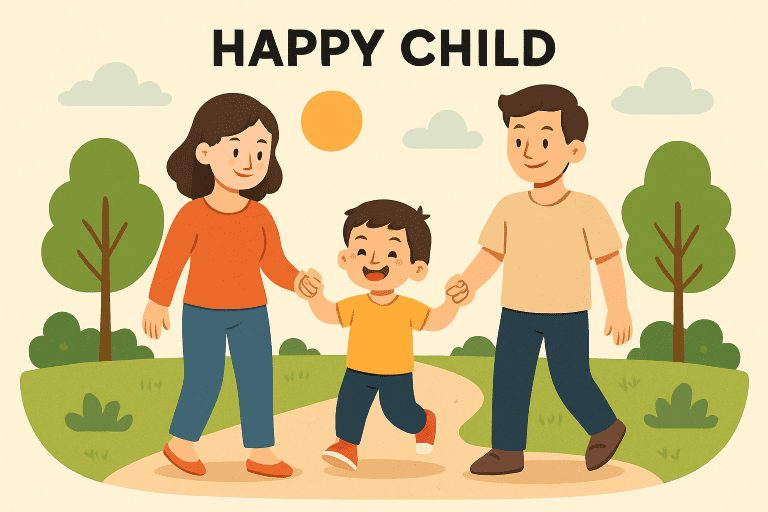
Having significant exposure to the values, traditions, and unique parenting styles of both parents enriches a child’s worldview. Experiencing life in two different households, children learn flexibility, adaptability, and empathy. They become adept at navigating varied routines, expectations, and family cultures, skills that serve them well throughout their lives. A balanced upbringing from both parents allows children to appreciate diversity in thought and approach, fostering a more comprehensive understanding of themselves and the world around them.
This dual influence supports the development of a well-rounded identity, as kids can draw upon a broad set of role models and life experiences. They learn, by example, how to adapt and integrate differing perspectives—a valuable skill in today’s complex, interconnected world. Strong connections to both parents also strengthen their sense of belonging and help them feel rooted and secure, which are critical factors for social development and self-esteem.
Enhanced Coping Skills and Building Resilience
While the reality of divorce can bring hardship, it also presents an opportunity for children to develop strong coping mechanisms. Periods of transition, such as moving between two homes, can be difficult at first, but with ongoing support from both parents, many kids learn to adapt quickly and handle stress constructively. This builds resilience that will serve them well in future challenges, both in adolescence and adulthood.
When children watch how both parents manage changes, set boundaries, and resolve conflicts, they acquire practical life skills by observation. Positive role modeling, open emotional expression, and healthy communication all contribute to a child’s own set of coping tools. Over time, children raised with strong support from two households become more resourceful, independent, and able to handle adversity with maturity and resourcefulness.
Practical Tips for Effective Co-Parenting
Open Communication
Constructive communication between parents is vital after divorce, especially for the well-being of their child. Open discussions about schedules, responsibilities, and shared goals minimize misunderstandings and keep the focus on the child’s needs. This also sets a positive example for children, teaching them the value of transparency and collaboration, even in tough circumstances.
Consistency Across Households
Establishing similar routines, expectations, and disciplinary methods in both homes can ease transitions and help children feel more secure. While no two households will ever be exactly the same, striving for consistency in rules and values assures children that they are cared for equally and helps prevent confusion or behavioral issues stemming from mixed messages.
Prioritize the Child’s Needs
Co-parenting should always prioritize what’s best for the child’s physical, emotional, and educational well-being. By keeping conversations child-focused and shielding children from parental disputes, both parents help create a calm, supportive environment. Giving children the freedom to enjoy time with each parent without guilt or pressure is key to their well-being.
Seek Professional Guidance When Needed
If co-parenting challenges persist, seeking help from a counselor or child psychologist can provide valuable strategies and facilitate healthier relationships. A skilled professional can serve as a neutral party, helping families overcome obstacles so children benefit from the love and care of both parents. Mental health support can also prevent issues from escalating and ensure every family member gets the attention they need during the transition.
Conclusion
Children benefit tremendously from stable, meaningful relationships with both parents following divorce. The research is detailed: kids who maintain strong ties to both parents demonstrate greater emotional health, perform better in school, and grow into more adaptable, resilient individuals. Strong co-parenting—built on communication, mutual respect, and shared goals—ensures that children can adjust, thrive, and look to the future with confidence. Parents have the unique opportunity to work together, even after separation, to create a nurturing and encouraging environment for their children, laying the foundation for their long-term success and well-being.