
Advancements in Specialized Healthcare: Pain Management and Medical Aesthetics
Defining Specialized Healthcare and Its Core Models
Our health journeys are becoming increasingly intricate. The days of one-size-fits-all medical care are behind us, as complex health challenges now demand focused expertise and tailored solutions. This is the essence of specialized healthcare.
It offers targeted approaches for unique health needs, moving beyond general medical care. In this comprehensive guide, we will explore the landscape of specialized healthcare. We will define its core principles and examine the diverse services it provides, alongside various models of care delivery.
Specifically, we will dive into two crucial areas: advanced pain management and the innovative field of medical aesthetics. We will see how these specialized services enhance patient outcomes and improve overall quality of life. For example, understanding the nuances of Chandler specialized chronic pain healthcare is vital for those seeking relief from persistent discomfort. We will also discuss the vital role of technology and collaboration in modern specialized care, and how patients can make informed choices about their treatment paths.
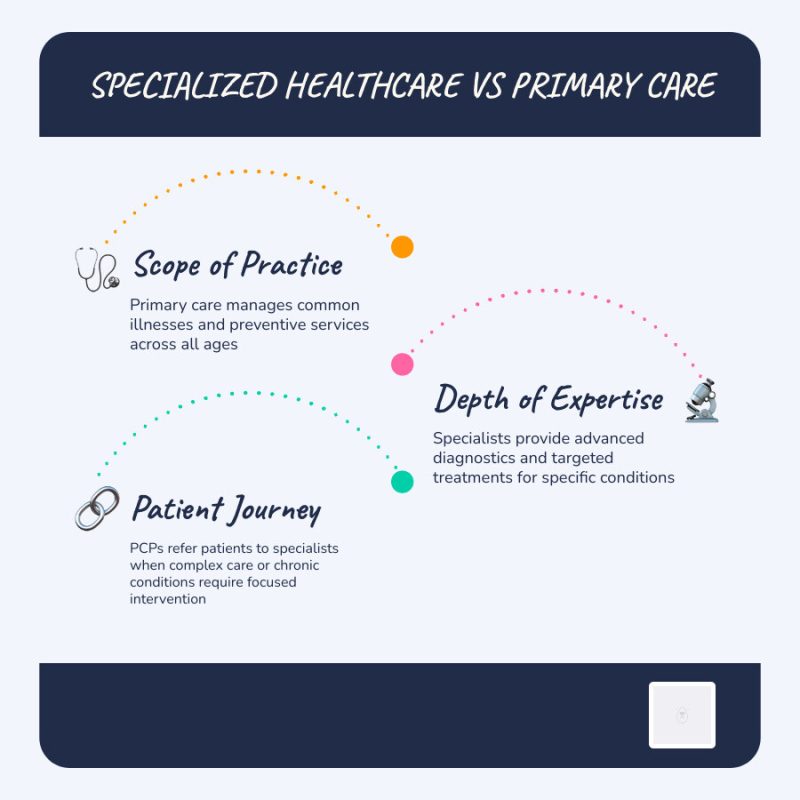
Specialized healthcare represents a distinct and crucial tier within the broader medical ecosystem. Unlike general or primary care, which focuses on comprehensive, first-contact care for a wide range of health issues, specialized healthcare delves into specific medical conditions, organ systems, or patient populations. Primary care physicians (PCPs) act as the gatekeepers, providing preventive services, managing common illnesses, and referring patients to specialists when a condition requires more in-depth knowledge, advanced diagnostic tools, or specific treatment modalities.
The distinction lies in the depth of expertise. A PCP maintains a broad understanding of medicine, akin to a general contractor overseeing a house. A specialist, however, is like an expert electrician or plumber, possessing profound knowledge and skills in a particular area. For instance, while a PCP might manage early-stage diabetes, an endocrinologist (a specialized physician) would handle complex cases, insulin pump management, or related hormonal disorders. Similarly, a primary care provider might address common aches, but chronic, debilitating pain often necessitates the intervention of a pain management specialist.
Specialized healthcare encompasses a wide range of services that address conditions ranging from chronic diseases to acute, life-threatening illnesses. Common examples include:
- Intellectual and Developmental Disabilities (IDD) and Mental Health: Services tailored to support individuals with conditions like autism spectrum disorder, Down syndrome, or severe mental health diagnoses, focusing on habilitation, daily living support, and therapy coordination. Organizations like Specialized Health Care Services, LLC, in North Carolina and South Carolina exemplify this, empowering individuals to live more independent lives.
- Oncology (Cancer Care): Comprehensive treatment plans involving medical, surgical, and radiation oncologists, alongside support services for patients and families.
- Cardiology (Heart Health): Specialists managing heart conditions, from hypertension and arrhythmias to complex cardiac surgeries.
- Pain Management: Dedicated clinics and physicians focusing on diagnosing and treating acute and chronic pain conditions using interventional procedures, medication management, and rehabilitative therapies.
- Neurology and Neurosurgery: Addressing disorders of the brain, spinal cord, and nervous system, including stroke, epilepsy, and complex spine conditions.
- Orthopedics: Specializing in conditions of the musculoskeletal system, such as joint pain, sports injuries, and fractures.
These specialized services are delivered through various organizational models, each with its unique structure and approach to patient care. Understanding these models helps patients and families navigate the healthcare landscape more effectively.
Organizational Models for Specialized Healthcare Services
The delivery of specialized healthcare is not monolithic; it adapts to patient needs, geographical constraints, and economic factors. Here are some prevalent models:
- Hospital-Based Care: This is perhaps the most traditional model, in which specialized services are integrated into larger hospital systems. Hospitals like Bangladesh Specialized Hospital PLC offer a wide range of departments, from cardiology and oncology to neurosurgery and orthopedics, providing comprehensive care under one roof. These settings often have access to advanced diagnostic imaging, operating rooms, and intensive care units, making them ideal for complex procedures and acute conditions. Similarly, facilities such as Arizona Specialty Hospital focus on specific surgical procedures, providing specialized environments to achieve optimal patient outcomes.
- Community-Based Clinics and Centers: These models bring specialized care closer to patients’ homes, often focusing on outpatient services or specific conditions. Examples include local pain management clinics, mental health centers, or physical therapy practices. This decentralization aims to improve accessibility and reduce travel burdens for patients, fostering a more integrated approach within local communities.
- Concierge Medicine: This model, exemplified by clinics such as Specialized Clinic, offers a highly personalized approach, often with a membership fee. Patients typically gain enhanced access to their physicians, longer appointment times, and a dedicated care coordinator. A 2022 Journal of General Internal Medicine study highlighted that patients in retainer-based primary care experienced lower inpatient utilization and better preventive service use. Furthermore, a 2019 Harvard Medical School analysis indicated that concierge patients were more likely to receive guideline-based care and had lower total costs due to avoided acute care events. This model prioritizes a strong doctor-patient relationship and proactive wellness, moving beyond the traditional “sickcare” approach to focus on “healthcare.” For a deeper understanding of how this model operates, exploring resources such as “How It Works | Experience Personalized Healthcare Today” from Specialized Clinic can be very insightful.
- Centralized Centers of Excellence: For highly complex or rare conditions, services may be centralized into regional or national centers of excellence. This approach pools expertise, technology, and research to ensure patients receive the highest level of specialized care. While this may require patient travel, the benefits often outweigh the inconvenience, as improved outcomes are often achieved. We will delve more into the implications of centralization later.
Here’s a brief comparison of these models:

Specialized healthcare extends its reach into diverse areas, profoundly impacting quality of life and well-being. Two fields where this expertise is particularly transformative are pain management and medical aesthetics. While seemingly disparate, both areas benefit immensely from focused, expert-driven approaches that go beyond general medical interventions. For those seeking relief from persistent discomfort, understanding options for managing chronic pain is crucial. Similarly, individuals looking to enhance their well-being through cosmetic improvements can find tailored solutions in specialized aesthetic practices. This is where a dedicated approach, as seen in a Specialized MedSpa healthcare setting, can make a significant difference.
Addressing Chronic Pain Through Specialized Healthcare
Chronic pain, defined as pain lasting longer than three to six months, is a complex condition that affects millions globally. It can stem from various sources, including injuries, diseases like arthritis or neuropathy, or even have no clear physical cause. Unlike acute pain, which is a symptom of injury or illness, chronic pain often becomes a condition in itself, requiring a specialized approach for effective management. General practitioners can offer initial guidance, but the nuanced nature of chronic pain often necessitates the expertise of pain management specialists.
Specialized pain management clinics offer a multidisciplinary approach, combining various strategies to alleviate pain, improve function, and enhance quality of life. These strategies often include:
- Interventional Treatments: These are minimally invasive procedures performed by highly trained specialists to target the source of pain directly. Examples include nerve blocks, epidural steroid injections, radiofrequency ablation, and spinal cord stimulation. These advanced techniques are often guided by imaging, ensuring precision and effectiveness. For those exploring cutting-edge options, our comprehensive guide, Your Guide to Cutting-Edge Pain and Spine Care, offers valuable insights into the latest treatments.
- Medication Management: While opioids have traditionally been used, specialized pain management increasingly focuses on non-opioid medications, including anti-inflammatories, nerve pain medications, and muscle relaxants, to minimize risks and optimize long-term relief.
- Physical Therapy and Rehabilitation: Essential components that help patients regain strength, flexibility, and mobility, reducing reliance on medication and preventing future pain episodes.
- Behavioral Health Support: Chronic pain often has significant psychological components, including depression, anxiety, and sleep disturbances. Pain psychologists can provide coping strategies, stress management techniques, and cognitive behavioral therapy to help patients manage the emotional toll of persistent pain.
The benefits of seeking specialized care for chronic pain are profound. Patients often experience more targeted relief, improved functional capacity, and a significant enhancement in their overall well-being. Facilities like Phoenix Specialty Hospital and Summit Healthcare Services in Phoenix, AZ, demonstrate how specialized centers contribute to comprehensive patient care, including post-operative recovery and home health support, which can be critical for pain patients. When navigating the options, understanding Spine and Pain Management: How to Choose Your Specialist becomes a key step in finding the right provider.
Enhancing Wellness with Specialized Healthcare in Medical Aesthetics
Medical aesthetics, another rapidly growing field of specialized healthcare, focuses on improving cosmetic appearance through medical procedures. This goes beyond traditional beauty treatments, utilizing advanced medical techniques to address concerns such as skin aging, texture irregularities, unwanted hair, and body contouring. The goal is not just superficial enhancement but often involves boosting self-confidence and improving psychological well-being.
Specialized medical aesthetic practices offer a range of services, including:
- Skin Rejuvenation: Procedures like chemical peels, microdermabrasion, laser therapy, and intense pulsed light (IPL) treatments to improve skin tone, texture, and reduce signs of aging.
- Minimally Invasive Injectables: Botulinum toxin (Botox) and dermal fillers are widely used to reduce wrinkles, restore volume, and enhance facial contours with minimal downtime.
- Body Contouring: Non-surgical treatments like cryolipolysis (fat freezing) or radiofrequency therapy to reduce localized fat deposits and tighten skin.
- Hair Restoration and Removal: Advanced techniques for treating hair loss or achieving permanent hair reduction.
The expertise of specialized practitioners in medical aesthetics ensures that treatments are safe, effective, and tailored to individual patient needs and desired outcomes. These specialists possess a deep understanding of facial anatomy, skin biology, and the latest technologies, minimizing risks and maximizing natural-looking results. For those interested in innovative approaches to health and well-being, even beyond traditional medical settings, services like those offered by Specialized Health in Australia, focusing on exercise physiology, or Specialized Home Health Services near Scottsdale, AZ, which provides in-home support, highlight the diverse ways specialized care can enhance overall wellness.
Coordination, Technology, and Patient Outcomes
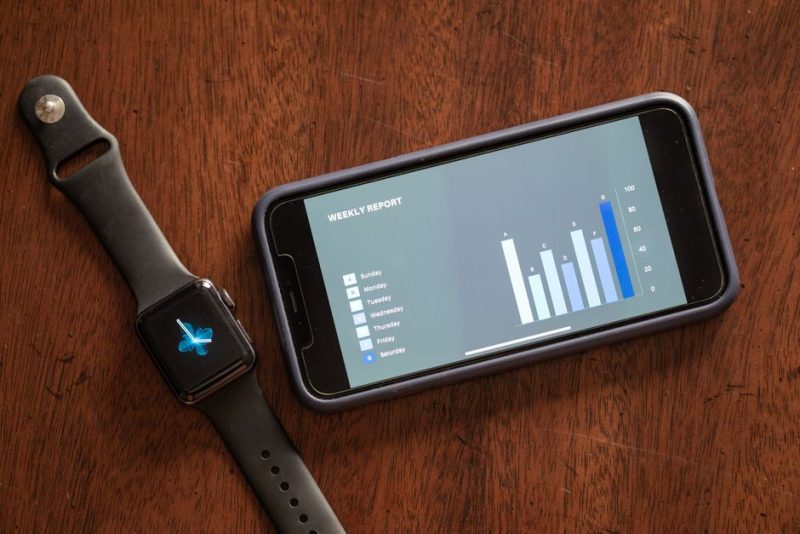
The landscape of specialized healthcare in May 2026 is increasingly defined by seamless coordination and cutting-edge technology. These elements are not merely conveniences but fundamental drivers of improved patient outcomes, enhanced diagnostic accuracy, and a more equitable healthcare system. The intricate nature of specialized conditions often requires a symphony of experts working in concert, a process greatly facilitated by modern digital tools.
Effective care coordination is paramount, particularly when patients navigate multiple specialists. Primary care physicians play a pivotal role as central hubs, managing referrals, consolidating patient information, and ensuring continuity of care. However, the specialists themselves must also actively collaborate, sharing insights and developing unified treatment plans. Institutions like Mayo Clinic Health System emphasize “Specialty Care Made Personal,” highlighting the importance of integrated care teams that work together to provide comprehensive support across various disciplines, from heart care to neurosurgery. Similarly, regional hospitals such as Mercy Gilbert Medical Center often serve as key points for specialized services, ensuring local access to a coordinated network of experts.
The impact of specialized care on patient outcomes is significant. For complex cases, obtaining a second opinion from a highly specialized service can be life-changing. WorldCare, for instance, an expert medical opinion service, reports that approximately 1 in 4 of their multidisciplinary second opinions lead to a change in the original diagnosis, and 3 in 4 result in changes to the treatment plan. This underscores the critical role of specialized expertise in refining diagnoses and optimizing treatment strategies, ultimately leading to better health trajectories and greater peace of mind for patients and their families. This level of expert review can be crucial, especially when facing rare diseases or conditions where initial diagnoses might be inconclusive, as evidenced by statistics showing that 6 in 10 Canadian patients with a rare disease received at least one incorrect diagnosis, and 20% of patients with rare neurological diseases in a major European city initially had wrong or inconclusive diagnoses.
Technology Integration in Modern Medicine
Technology is revolutionizing how specialized healthcare is delivered, making it more efficient, accessible, and patient-centric.
- Telehealth and Virtual Consultations: The widespread adoption of telehealth platforms has dramatically improved access to specialists, particularly for patients in rural areas or those with mobility challenges. Virtual visits allow for initial consultations, follow-ups, and even remote monitoring, reducing the need for travel and saving time. This is especially beneficial for managing chronic conditions or providing ongoing support from specialized clinics.
- Patient Portals and Electronic Health Records (EHRs): Secure online patient portals empower individuals to access their medical records, schedule appointments, communicate with their care teams, and manage prescriptions. Integrated EHR systems ensure that all specialists involved in a patient’s care have access to a comprehensive and up-to-date medical history, facilitating better-informed decision-making and preventing redundant tests.
- Remote Monitoring and Wearable Devices: For conditions such as heart disease, diabetes, or chronic pain, remote monitoring devices and wearables can track vital signs, glucose levels, and activity patterns. This continuous data tracking allows specialists to intervene proactively, adjust treatment plans, and provide personalized guidance, enhancing preventive care and improving outcomes.
- Artificial Intelligence (AI) and Data Analytics: AI is increasingly used in specialized fields for diagnostic support, pattern identification in complex medical data, and even treatment planning. Data analytics helps healthcare systems identify trends, optimize resource allocation, and improve the efficiency of specialized service delivery.
Collaborative Care and Diagnostic Accuracy
The complexity of many specialized conditions necessitates a collaborative approach, where multidisciplinary teams work together to provide holistic care. This often involves specialists from different fields—for example, an oncologist, surgeon, radiologist, and pathologist collaborating on a cancer case. This integrated teamwork ensures that all aspects of a patient’s condition are considered, leading to more comprehensive and effective treatment plans.
A key benefit of specialized collaborative care is its impact on diagnostic accuracy. Diagnostic errors remain a significant concern in healthcare, with studies indicating they are a commonly reported health-safety issue. For instance, in Saudi Arabia, diagnostic errors account for 27% of reported health and safety issues. In such contexts, the expertise of multiple specialists, often supported by advanced diagnostic tools, significantly reduces the likelihood of misdiagnosis. Seeking a second opinion from a highly qualified specialist or a team of experts can be invaluable. Patients often benefit from the fresh perspective and deeper knowledge that a Double Board-Certified Doctor or a recognized Board-Certified Pain Specialist brings, particularly for challenging or unusual cases. This collaborative review process can confirm an initial diagnosis, offer alternative explanations, or suggest more appropriate treatment pathways, ultimately safeguarding patient health and improving trust in the medical system. Facilities like Silver Springs Health Care Center also highlight the importance of strong support networks for better health outcomes, often achieved through coordinated care.
Frequently Asked Questions about Specialized Care
Navigating specialized healthcare can raise many questions for patients and their families. Understanding how these services operate, how they integrate with primary care, and how to choose the right provider is crucial for effective treatment and positive outcomes. Patient education is a cornerstone of this process, empowering individuals to make informed decisions about their health.
How do specialized healthcare providers coordinate with primary care physicians?
Effective coordination between specialized healthcare providers and primary care physicians (PCPs) is essential for seamless patient care. This coordination typically involves several key mechanisms:
- Referral Networks: PCPs often have established networks of trusted specialists to whom they refer patients. These networks facilitate communication and ensure that patients are directed to appropriate experts.
- Shared Electronic Health Records (EHRs): Modern healthcare systems increasingly use integrated EHRs, enabling specialists and PCPs to access a patient’s complete medical history, test results, and treatment plans in real time. This reduces duplication of efforts and ensures everyone is working with the same information.
- Direct Communication: Specialists and PCPs frequently communicate by phone, secure messaging, or through formal consultation reports. This ensures the PCP remains informed of the specialist’s findings and recommendations, enabling them to continue managing the patient’s overall health effectively.
- Care Navigation and Management: In some models, particularly in concierge practices, dedicated care navigators or coordinators help streamline communication, schedule appointments, and manage transitions between providers, ensuring a holistic, integrated approach to the patient’s health journey.
What are the main benefits of receiving specialized care for chronic pain?
Receiving specialized care for chronic pain offers numerous advantages over general medical management, leading to more effective and sustainable relief:
- Targeted Diagnosis and Treatment: Pain specialists possess advanced knowledge and diagnostic tools to pinpoint the exact source of pain, even in complex cases. This allows for highly targeted interventions that are more likely to be effective.
- Access to Advanced Therapies: Specialists can offer a broader range of treatment options, including interventional procedures (e.g., nerve blocks, spinal cord stimulation), regenerative medicine, and sophisticated medication management strategies that may not be available in a primary care setting.
- Multidisciplinary Approach: Specialized pain clinics often employ a team of experts, including pain physicians, physical therapists, psychologists, and rehabilitation specialists, who work together to address the physical, emotional, and functional aspects of chronic pain.
- Improved Quality of Life: By providing effective pain relief and functional restoration, specialized care helps patients regain their mobility, reduce reliance on pain medication, improve sleep, and participate more fully in daily activities, significantly enhancing their overall quality of life.
- Prevention of Worsening Conditions: Early and appropriate specialized intervention can prevent chronic pain from becoming more debilitating and can reduce the risk of long-term complications.
For those struggling with persistent discomfort, it’s crucial to acknowledge the need for expert help. As we often advise, Don’t Suffer in Silence: Your Guide to Choosing an Advanced Pain Medicine Doctor can provide invaluable guidance in finding the right specialist to embark on a path toward lasting relief.
How can patients evaluate and choose appropriate specialized healthcare programs?
Choosing the right specialized healthcare provider or program is a critical decision that can significantly impact treatment outcomes. Patients and families should consider several factors:
- Credentials and Board Certification: Verify that the specialist is board-certified in their area of expertise. This indicates they have met rigorous standards of training and knowledge. For example, understanding The Truth About Double Board Certification and Your Care can help patients appreciate the depth of a physician’s expertise.
- Experience and Subspecialization: Inquire about the specialist’s experience with your specific condition. Some specialists have further subspecialties that align more closely with your needs.
- Treatment Philosophy and Approach: Understand the provider’s philosophy and approach. Do they emphasize conservative treatments before invasive ones? Do they offer a multidisciplinary approach? This is particularly important for conditions such as chronic pain, where various treatment modalities may be considered.
- Patient Outcomes and Reviews: While individual experiences vary, look for information on patient outcomes, success rates (where available and verifiable), and patient testimonials. Online reviews can offer insights into patient satisfaction and the overall clinic experience.
- Communication and Collaboration: Assess how well the specialist communicates with you and your primary care physician. A good specialist will ensure you are informed and that your care is coordinated.
- Logistics and Accessibility: Consider factors like location, appointment availability, and insurance acceptance. We accept most insurance plans; please check with our office manager to see if your plan is accepted.
- Technology and Innovation: For fields like pain management and medical aesthetics, inquire about the latest technologies and evidence-based treatments they offer. A commitment to innovation often indicates a commitment to providing the best possible care.
Conclusion
The evolution of specialized healthcare marks a significant advancement in our collective pursuit of well-being. From the intricate challenges of chronic pain management to the nuanced enhancements offered by medical aesthetics, specialized care provides a depth of expertise and tailored solutions that general medicine cannot. We have seen how distinct care models, from personalized concierge services to comprehensive hospital systems, cater to diverse needs, all striving for improved patient outcomes.
The integration of technology, including telehealth and advanced data tracking, coupled with a renewed focus on collaborative, multidisciplinary care, is reshaping the patient experience. These innovations not only enhance diagnostic accuracy and treatment efficacy but also empower patients with greater access and control over their health journeys.
As we look towards the future, specialized healthcare will continue to adapt and innovate, driven by ongoing research, technological breakthroughs, and an unwavering commitment to patient-centered care. For individuals facing complex health conditions or seeking to proactively manage their wellness, understanding and engaging with specialized services is no longer a luxury but a vital component of holistic health. We encourage everyone to explore these specialized avenues, ask informed questions, and actively participate in choosing care that aligns with their unique needs and goals. Take the next step towards a healthier, more fulfilling life; we invite you to book an appointment today to discover how specialized care can make a difference for you.