
Achieving Natural Results with Facial Rejuvenation

Understanding Laser Technology in Facial Rejuvenation
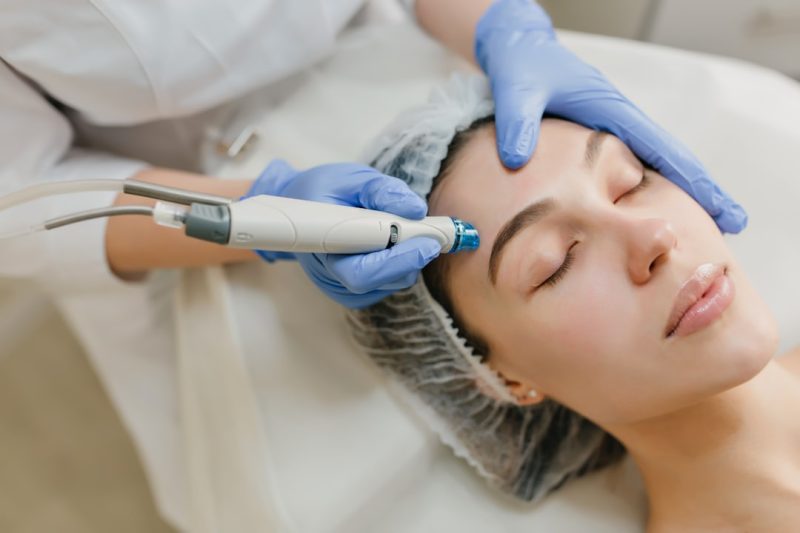
We all seek skin that reflects our inner vitality. In 2026, advanced aesthetic treatments, especially laser skin resurfacing, offer remarkable ways to achieve this. These procedures can significantly improve skin texture, minimize sun damage, and stimulate the body’s natural collagen and elastin production, revealing a more youthful, radiant complexion.
However, a key concern for many considering these powerful treatments is the associated “downtime.” Understanding the recovery period is crucial. It helps you plan effectively, manage expectations, and ensure a smooth journey toward your desired aesthetic goals. Knowing what to expect allows for proper preparation and a successful outcome.
This comprehensive guide provides a clear overview of laser skin resurfacing downtime. We will delve into the various types of laser procedures, compare their typical recovery timelines, and outline essential day-by-day healing expectations. We aim to equip you with the knowledge needed to make confident decisions for your skin’s health and long-term resilience.
Laser skin resurfacing is a transformative procedure that uses focused light energy to improve the skin’s surface and stimulate deeper cellular renewal. It effectively addresses a range of concerns, including fine lines and wrinkles, sun damage, uneven pigmentation, and acne scars. The core principle involves controlled thermal injury to the skin, prompting the body’s natural healing response and boosting the production of new, healthy collagen and elastin.
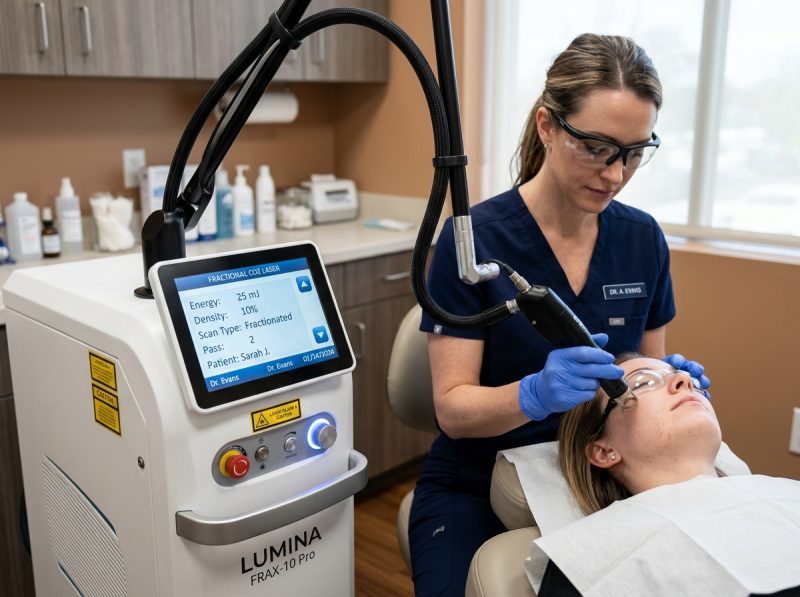
Broadly, laser skin treatments fall into two main categories: ablative and non-ablative. The choice between these depends on the patient’s specific skin concerns, desired results, and tolerance for downtime.
Ablative Lasers: These are the more intensive treatments. They work by vaporizing the outermost layers of skin (epidermis) while simultaneously heating the underlying dermis. This process removes damaged skin cells and triggers a significant collagen remodeling response. Because they create a controlled wound, ablative lasers offer more dramatic results but necessitate a longer recovery period.
- CO2 Lasers (Carbon Dioxide): Considered the gold standard for deep resurfacing, CO2 lasers are highly effective for treating deep wrinkles, severe sun damage, and significant scarring. Modern fractional CO2 lasers, such as UltraPulse Alpha, deliver energy in microscopic columns, leaving untouched skin between treated areas to accelerate healing.
- Erbium: YAG Lasers: These lasers are also ablative but are generally less invasive than CO2 lasers. They target water within skin cells, enabling precise, layer-by-layer removal of damaged tissue. Erbium lasers are excellent for fine lines, superficial wrinkles, and mild to moderate sun damage. Their precision often results in a slightly shorter recovery time than with traditional CO2.
Non-Ablative Lasers: These treatments are less aggressive, working by heating the underlying dermal tissue without removing the outer layer of skin. This gradually stimulates collagen production, leading to subtle improvements over time. Non-ablative lasers are preferred for those seeking milder corrections with minimal downtime.
- Nd: YAG Lasers: These versatile lasers are used for various applications, including hair removal, vascular lesions (spider veins), and some pigmentary issues. In non-ablative resurfacing, they heat the dermis to stimulate collagen production, improving skin tone and texture.
- Fractional Lasers (e.g., Fraxel, HALO): Fractional technology, whether ablative or non-ablative, creates microscopic treatment zones in the skin, leaving surrounding tissue intact. This approach significantly speeds up healing. Non-ablative fractional lasers, such as certain Fraxel devices or the non-ablative component of HALO, bypass the top skin layer to treat deeper tissue, stimulating collagen with minimal surface disruption.
Selecting the appropriate laser technology is a critical decision, often made in consultation with an experienced specialist. For instance, many patients seek comprehensive rejuvenation that addresses both superficial and deeper concerns, a goal often achieved through advanced laser techniques. A thorough assessment, like that offered by Dr. Rankin’s laser facial rejuvenation, can guide patients toward the most suitable treatment plan for their unique skin needs and aesthetic aspirations.
Managing Downtime for Non-Ablative Facial Rejuvenation
Non-ablative laser treatments are often chosen by individuals with busy lifestyles who desire skin improvement without significant interruption to their daily routines. These procedures are designed to offer noticeable results with what is typically referred to as “minimal downtime.”
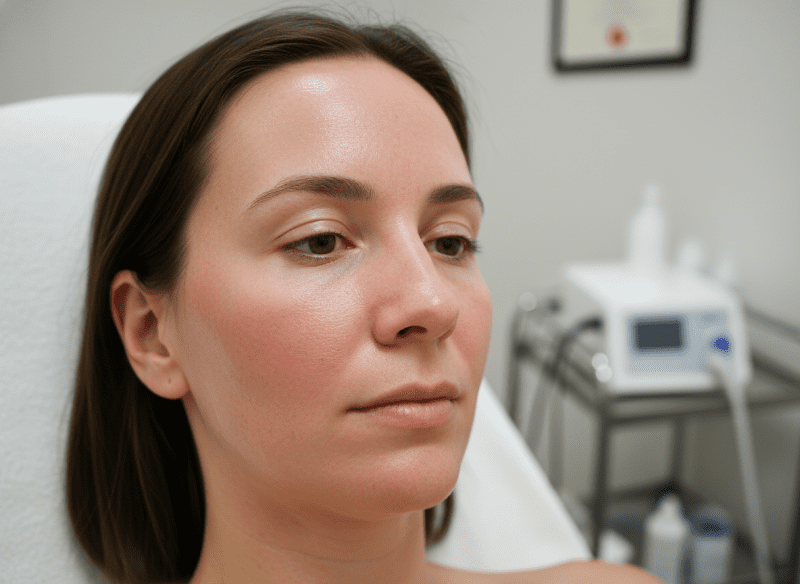
Lasers such as Clear + Brilliant or non-ablative Fraxel devices create microscopic treatment zones deep within the skin, leaving the outer epidermal layer intact. This allows for collagen stimulation and cellular renewal without the extensive surface wounding associated with ablative procedures. The body’s natural healing mechanisms are activated, gradually improving skin texture, tone, and overall radiance.
For most non-ablative treatments, the downtime is remarkably short, often ranging from just a few hours to one day. Patients might experience mild erythema (redness) and slight swelling, similar to a light sunburn, immediately after the procedure. This typically subsides rapidly. Some might notice a temporary pinkness or a sandpaper-like texture for a few days as the treated microscopic zones heal and exfoliate, but this is generally easily concealed with makeup.
These treatments are excellent for preventative care, maintaining youthful skin, and addressing early signs of aging or mild sun damage. Sessions are often quick, typically lasting 20-30 minutes, making them convenient for scheduling. Because the epidermis remains intact, the skin’s natural barrier is preserved, leading to a faster return to normal activities. While the results are subtler than those of ablative lasers, they accumulate over a series of treatments, offering a gradual yet significant enhancement to the skin’s appearance.
Recovery Protocols for Ablative Facial Rejuvenation
Ablative laser treatments, while offering more dramatic and transformative results, inherently entail a longer recovery period due to their mechanism of action. These lasers, including CO2 and Erbium: YAG, work by vaporizing the outer layers of damaged skin, creating a controlled wound that prompts the body to produce a completely new, healthier skin surface. This process of re-epithelialization and deep collagen remodeling leads to substantial improvements in wrinkles, scars, and skin laxity.
The downtime for ablative lasers is considerably longer than for non-ablative options, reflecting the depth of treatment and the extent of skin renewal. For Erbium laser resurfacing, patients typically experience about 1 full week of recovery, with redness and mild swelling persisting for a couple of days, followed by peeling. CO2 laser resurfacing, particularly for deeper treatments, can involve a recovery period of up to two weeks, with the initial “social downtime” often lasting 5-14 days. More aggressive ablative procedures may require 4-6 weeks for full recovery, though new skin usually covers the treated area within 7-10 days.
During this period, the skin will appear raw, red, and swollen, often accompanied by oozing and crusting. This is a critical phase of healing, during which the body actively regenerates new skin cells. Skin tightness and discomfort are common as healing progresses. For deep CO2 resurfacing with advanced technologies like UltraPulse Alpha, while the treatment is powerful, optimized protocols and pre-treatment strategies can often reduce social downtime to about 5 days for crusting resolution, compared to traditional CO2, which can take up to 3 weeks for initial healing.
This structural transformation, while requiring patience during recovery, yields profound and long-lasting results, effectively turning back the clock on significant skin damage and aging. The investment in downtime for ablative treatments is often seen as worthwhile by those seeking comprehensive skin tightening and dramatic improvements.
Navigating the Recovery Timeline: What to Expect
Understanding the day-by-day progression of laser recovery is essential for managing expectations and preparing adequately. The timeline varies significantly based on the depth and type of laser treatment—superficial, medium, or deep.
Recovery Milestone Superficial Laser (e.g., Clear + Brilliant, mild non-ablative) Medium-Depth Laser (e.g., Erbium, moderate fractional non-ablative) Deep Laser (e.g., CO2, aggressive fractional ablative) Day 1 Mild redness, slight swelling (like sunburn). Significant redness, swelling, warmth, and stinging. Skin may be raw/oozing. Intense redness, swelling, warmth, stinging, oozing, and potential blistering. Days 2-3: Fading redness, mild dryness. Return to routines. Redness/swelling peaks. Skin feels tight, may start bronzing/crusting. Oozing, crusting, skin tightness. “Bronzed” appearance for fractional. Days 4-7 Normal appearance. Active peeling/exfoliation. Rough, sandpaper texture. Pinkness subsides. Heavy peeling, flaking, and itching. New skin begins to emerge (pink). Week 2 N/A Mild residual pinkness. Can usually wear makeup. Return to most activities. Significant pinkness, less swelling. Makeup can be applied. Socially presentable. Weeks 3-4 N/A Fading pinkness. Residual pinkness fades. Full benefits begin to appear. Months 2-12 N/A N/A Pinkness may persist, especially for fair skin. Collagen remodeling continues. Superficial Laser Treatments: For procedures like Clear + Brilliant or very light non-ablative treatments, downtime is minimal. Patients often return to their routines the next day, experiencing only mild redness and swelling similar to a slight sunburn. This typically resolves within 24-48 hours.
Medium-Depth Laser Treatments: These include treatments such as Er: YAG laser resurfacing or more intensive fractional non-ablative procedures.
- Day 1: The skin will feel warm and red, resembling a moderate sunburn, with some swelling (edema).
- Days 2-3: Redness and swelling may peak. The skin might feel tight and dry, and for some fractional treatments, a “bronzed” appearance or tiny crusts may form.
- Days 4-7: Active peeling and exfoliation begin. The skin may feel rough, like sandpaper, and some itching is common. By the end of this week, most of the peeling subsides, and the skin begins to look smoother, though it may still be pink. Most patients can resume normal activities within 5-7 days.
- Week 2: Residual pinkness is common, which can usually be covered with makeup.
Deep Laser Treatments: Procedures such as CO2 laser resurfacing or aggressive fractional ablative treatments fall into this category.
- Day 1: The skin will be red, swollen, and feel very warm, often with a stinging sensation and mild oozing.
- Days 2-3: Oozing and crusting are prominent. The skin will feel very tight, and a “bronzed” or grid-like pattern may be visible from fractional treatments.
- Days 4-5: Exfoliation begins, and the skin starts to peel significantly. Dilute vinegar and water compresses can help expedite this process.
- Days 6-7: Peeling subsides, and new, pink skin emerges.
- Week 2-3: The initial intense redness fades to a lighter pink. Most patients are socially presentable, though residual pinkness may require makeup. Full recovery for public activities is often 8-12 days, but can take up to 2 weeks with more aggressive treatments.
- Weeks 2-3: Redness continues to fade. Patients can generally resume their regular skincare routine.
- Months 2-12: The new skin remains pink for several months, sometimes up to a year, especially in fair-skinned individuals or those with red hair. This pinkness will gradually lighten.
Side effects and symptoms to expect during recovery include varying degrees of redness, swelling, itching, and a sensation similar to sunburn. For deeper ablative treatments, patients may experience raw, oozing, or blistering skin that forms crusts. It is crucial not to pick at these crusts to prevent scarring. Skin tightness and dryness are also common as the healing process unfolds.
Strategies to Minimize Downtime and Enhance Healing
While downtime is an inevitable part of laser skin resurfacing, several strategies can significantly reduce its duration and enhance healing quality. Proper preparation and diligent post-treatment care are paramount for optimal outcomes.
Before Your Procedure (Pre-treatment Protocol):
- Sun Avoidance: Avoid direct sun exposure for up to two months before your treatment. Tanning, whether natural or artificial, can increase the risk of complications like hyperpigmentation.
- Smoking Cessation: Stop smoking at least two weeks before and after the procedure. Smoking impairs blood flow and oxygen delivery to the skin, significantly hindering healing.
- Antiviral Medication: If you have a history of cold sores (herpes simplex virus) or shingles, your provider will likely prescribe antiviral medication to start two days before the procedure and continue for a week or more afterward. This prevents viral outbreaks triggered by the laser.
- Medication Review: Disclose all medications, including over-the-counter drugs and supplements, to your provider. Some, like blood thinners or photosensitizing medications (e.g., doxycycline), may need to be stopped before treatment.
During Recovery (Post-treatment Care):
- Keep Head elevated: For the first 24-48 hours, keep your head elevated with an extra pillow while sleeping to help reduce swelling.
- Cool Compresses/Ice Packs: Apply cool compresses or ice packs wrapped in a cloth to the treated areas for the first 1-2 days to alleviate swelling and discomfort.
- Gentle Cleansing: Cleanse the treated areas 2-5 times a day with saline solution or a diluted vinegar solution (as directed by your provider). This helps prevent infection and keeps the skin clean.
- Maintain Moisture: This is crucial, especially for ablative treatments. Apply a thick layer of healing ointment, such as Vaseline or Aquaphor, to create a protective barrier and maintain a moist healing environment. Your provider may also recommend specialized creams containing human growth factors, exosomes, or cytokines, which have been shown to accelerate healing and boost anti-aging results by reducing inflammation and promoting cellular repair.
- Hydration: Drink plenty of water to support overall skin health and healing from within.
- Sun Protection: This cannot be overstressed. Avoid all direct sun exposure during the initial healing phase. Once the skin has re-epithelialized, apply a broad-spectrum sunscreen with an SPF of 30 or higher daily, even on cloudy days. Protective clothing and wide-brimmed hats are also essential.
- Avoid Picking/Scratching: Resist the urge to pick at crusts or peeling skin. This can lead to scarring, infection, or pigmentation changes.
- Limit Strenuous Activities: Avoid heavy exercise, saunas, hot tubs, and anything that causes excessive sweating for at least 48-72 hours, or longer for deeper treatments, as sweat can irritate healing skin.
- Gentle Skincare: Use only gentle, fragrance-free cleansers and moisturizers. Avoid harsh products containing retinoids, alpha-hydroxy acids (AHAs), or other active ingredients for several weeks, or until cleared by your provider.
- Makeup Application: For ablative treatments, avoid makeup until the skin is fully healed and re-epithelialized (typically 7-10 days). When you do resume, use mineral-based, oil-free makeup, applying sunscreen underneath. For non-ablative treatments, makeup can often be applied sooner, sometimes immediately or within 1-3 days.
By diligently following these pre- and post-treatment instructions, patients can significantly contribute to a smoother, faster recovery and achieve the best possible results from their laser skin resurfacing procedure.
Candidacy, Risks, and Long-Term Maintenance
Laser skin resurfacing offers remarkable benefits, but it’s not suitable for everyone. Understanding who is a good candidate, the potential risks, and how to maintain results is crucial for a safe and satisfying experience.
Who is a Good Candidate? Ideal candidates for laser skin resurfacing typically have:
- Fine Lines and Wrinkles: Especially around the eyes, mouth, and forehead.
- Sun Damage: Including age spots, sun spots, and uneven pigmentation.
- Uneven Skin Tone and Texture: Rough skin, dullness, or large pores.
- Acne Scars: Both superficial and deeper scarring can be improved.
- Pre-cancerous Lesions: Certain types of actinic keratoses can be treated.
However, candidacy also depends on skin type, often categorized using the Fitzpatrick scale. Individuals with darker skin tones (Fitzpatrick IV-VI) face a higher risk of post-inflammatory hyperpigmentation (darkening of the skin) or, less commonly, hypopigmentation (lightening of the skin). For these skin types, it is imperative to seek a provider experienced in treating diverse skin tones, or to consider alternative treatments like radiofrequency microneedling, which may carry lower pigmentation risks.
Contraindications (Who Should Avoid Laser Resurfacing?): Certain conditions and factors can make laser resurfacing unsafe or ineffective:
- Active Acne or Skin Infections: Treatment should be postponed until these are resolved.
- Pregnancy or Breastfeeding: Safety has not been established.
- Recent Use of Isotretinoin (Accutane): Within the last 6-12 months, as it can impair healing and increase scarring risk.
- History of Keloids: Individuals prone to thick, raised scars may develop them after laser treatment.
- Certain Autoimmune Diseases or Immunosuppression: These can affect healing.
- Unrealistic Expectations: Patients should have a clear understanding of what the procedure can and cannot achieve.
Potential Risks and Complications: While generally safe when performed by a qualified professional, laser resurfacing carries potential risks:
- Common Side Effects: Redness, swelling, itching, stinging, and a sensation similar to a sunburn are normal during recovery.
- Infection: Bacterial, viral (e.g., cold sores), or fungal infections are possible, especially if post-care instructions are not followed. Antiviral prophylaxis is critical for those with a history of herpes.
- Pigmentation Changes: Hyperpigmentation (dark spots) or hypopigmentation (light spots) can occur, particularly in darker skin tones or with improper sun protection.
- Scarring: Though rare, scarring is a possibility, especially with aggressive treatments or if crusts are picked.
- Milia: Small, white bumps (milia) can develop on the treated skin. These are usually temporary and can be gently exfoliated.
- Prolonged Redness: The pinkness of new skin can persist for several months, or even up to a year, before fully fading.
- Acne Flares: Some individuals may experience temporary acne breakouts.
How to Avoid Complications:
- Choose a Board-Certified Specialist: Seek an experienced and reputable provider who understands laser physics and skin physiology.
- Thorough Consultation: Have an open discussion about your medical history, skin concerns, and expectations.
- Strict Adherence to Pre- and Post-Care: Following all instructions, especially regarding sun protection and wound care, is paramount.
- Report Concerns Promptly: Contact your provider immediately if you notice any signs of infection (increasing pain, pus, spreading redness, fever) or severe blistering.
How Long Do Results Last and What Maintenance is Needed? The longevity of laser resurfacing results varies depending on the type of laser, the intensity of treatment, and individual factors like genetics and lifestyle.
- Ablative Lasers: Results from deep ablative treatments like CO2 can last for many years, often 5-10 years or even longer, with proper maintenance. The skin is essentially “reset,” and the new collagen produced provides long-term structural improvement.
- Non-Ablative Lasers: These treatments offer more gradual results, best maintained through a series of initial sessions followed by periodic touch-up treatments.
- Collagen Remodeling: Regardless of the laser type, collagen remodeling continues for 2-6 months post-treatment, meaning improvements will continue to evolve.
Maintenance is key to prolonging results:
- Daily Sun Protection: Consistent use of broad-spectrum SPF 30+ sunscreen is the most critical factor in preventing new sun damage and preserving your results.
- Medical-Grade Skincare: A high-quality skincare regimen, including antioxidants, retinoids (once cleared by your provider), and moisturizers, helps maintain skin health and stimulate collagen.
- Healthy Lifestyle: A balanced diet, adequate hydration, and avoiding smoking contribute to overall skin vitality.
- Maintenance Sessions: Depending on the treatment, annual touch-ups or less frequent maintenance sessions (e.g., every few years for deeper ablative treatments) may be recommended to sustain optimal results.
Frequently Asked Questions about Laser Recovery
Navigating the recovery process after a laser skin procedure often brings up common questions. Here, we address some of the most frequent concerns patients have regarding their post-treatment journey.
When can I resume wearing makeup and exercising after a laser procedure?
The timeline for resuming makeup and exercise largely depends on the type and intensity of your laser treatment:
- Makeup:
- Non-Ablative Lasers (e.g., Clear + Brilliant, mild Fraxel, Nd: YAG): You can often resume wearing makeup within 1-3 days, sometimes even immediately if the skin surface is not broken. It’s best to use mineral-based, oil-free products that are less likely to irritate healing skin. Always apply sunscreen first.
- Ablative Lasers (e.g., CO2, Erbium): It is crucial to avoid makeup application until the skin is fully re-epithelialized and your provider gives clearance, which is typically 7-10 days for Erbium and 10-14 days for CO2. Applying makeup to raw or peeling skin can introduce bacteria, impede healing, and increase the risk of infection or scarring. Once cleared, opt for mineral-based makeup.
- Exercising:
- All Laser Treatments: We recommend avoiding strenuous activities, heavy exercise, saunas, and hot tubs for 48-72 hours after treatment. Increased body temperature and sweating can irritate the treated skin, potentially prolonging redness or increasing the risk of infection.
- Deeper Ablative Treatments: For more intensive procedures, your provider may advise avoiding strenuous exercise for up to two weeks or until the skin has significantly healed. Gradually reintroduce activities as your skin tolerates them. Listen to your body and avoid anything that causes discomfort, excessive sweating, or friction on the treated area.
Always consult your specific post-treatment instructions from your provider, as recommendations may vary depending on the specific laser used and your individual healing response.
How do I know if my post-laser swelling and redness are normal?
Redness and swelling are expected and normal parts of the laser recovery process, varying in intensity and duration based on the treatment depth.
- Normal Symptoms:
- Redness: Immediately after treatment, your skin will be red, similar to a sunburn. For superficial treatments, this might fade in a day or two. For medium-depth treatments, pinkness can last 5-7 days. For deep ablative treatments, significant redness can persist for 2-3 months, and a lighter pink hue may linger for up to a year, especially in fair-skinned individuals. Blondes and redheads may experience prolonged redness.
- Swelling: Mild to moderate swelling is common, particularly around the eyes, for the first 2-3 days. Keeping your head elevated and using cool compresses can help manage this.
- Other: Mild itching, stinging, and tightness are also normal as the skin heals. For ablative treatments, oozing, crusting, and peeling are expected.
- When to Contact Your Provider: While some discomfort is normal, certain symptoms warrant immediate medical attention:
- Increasing Pain: If pain becomes severe or worsens significantly over time, rather than gradually improving.
- Pus or Yellow/Green Discharge: These are signs of infection.
- Spreading Redness: If the redness spreads beyond the treated area or becomes increasingly inflamed.
- Fever: Any fever, especially if accompanied by other symptoms of infection.
- Severe Blistering: While some blistering can occur with ablative treatments, excessive or large blisters should be evaluated.
- Unusual Odor: A foul smell from the treated area.
It’s always better to err on the side of caution. If you are concerned about any aspect of your recovery, do not hesitate to contact your aesthetic professional.
How long will the results of my laser skin resurfacing last?
The longevity of laser skin resurfacing results is influenced by several factors, including the type of laser used, the depth of treatment, your skincare regimen, and lifestyle choices.
- Ablative Lasers (e.g., CO2, Erbium): These treatments typically offer the most dramatic and long-lasting results because they involve significant collagen remodeling. With proper sun protection and a consistent skincare routine, the improvements from a deep ablative laser can last 5-10 years or longer. The new collagen produced provides a robust foundation, effectively “resetting” the skin’s age.
- Non-Ablative Lasers (e.g., Fraxel, Nd: YAG): Results from non-ablative treatments are more gradual and subtle. While they stimulate collagen, their effects are less profound than those of ablative lasers. To achieve and maintain optimal results, a series of 3-6 initial treatments is often recommended, followed by annual or bi-annual maintenance sessions.
- Ongoing Collagen Production: Collagen remodeling continues for 2-6 months after any laser treatment, meaning your skin will continue to improve in texture and firmness during this period.
- Maintenance is Key: Regardless of the laser type, your long-term results depend heavily on your commitment to post-treatment care and ongoing skin health. This includes:
- Daily Sun Protection: Consistent use of broad-spectrum SPF 30+ sunscreen is paramount to prevent new sun damage and collagen degradation.
- Medical-Grade Skincare: Incorporating antioxidants, retinoids (once healing is complete and approved by your provider), and hydrating serums helps to support skin health and prolong the benefits.
- Healthy Lifestyle: Avoiding smoking, maintaining a balanced diet, and staying hydrated all contribute to the skin’s resilience.
- Touch-Up Treatments: Depending on your individual aging process and sun exposure, periodic touch-up treatments (e.g., an IPL session every year, or a lighter fractional laser every few years) may be recommended to maintain your rejuvenated appearance.
With diligent care, laser skin resurfacing can provide years of improved skin quality and a more youthful, radiant complexion.
Conclusion
Understanding the nuances of a “downtime laser skin procedure” is fundamental to achieving successful, natural-looking results in facial rejuvenation. As we look to 2026 and beyond, the advancements in laser technology continue to offer powerful solutions for enhancing skin health and appearance. From the minimal recovery of non-ablative treatments to the transformative, yet more intensive, healing of ablative procedures, each option presents a unique balance of results and recovery.
We’ve explored the intricate mechanisms of various lasers, detailed day-by-day recovery timelines, and outlined essential strategies to minimize downtime and optimize healing. We’ve also delved into the critical aspects of candidacy, potential risks, and the long-term maintenance required to preserve your skin investment.
Achieving natural outcomes and long-term resilience hinges on personalized care, realistic expectations, and a commitment to meticulous post-treatment protocols. Consulting with a board-certified specialist is the first and most crucial step. They can assess your unique skin profile, discuss your aesthetic goals, and guide you toward the most appropriate laser technology and a tailored recovery plan. By making informed decisions and diligently following professional advice, you can confidently embark on your journey toward rejuvenated, radiant skin that truly reflects the best version of you.