
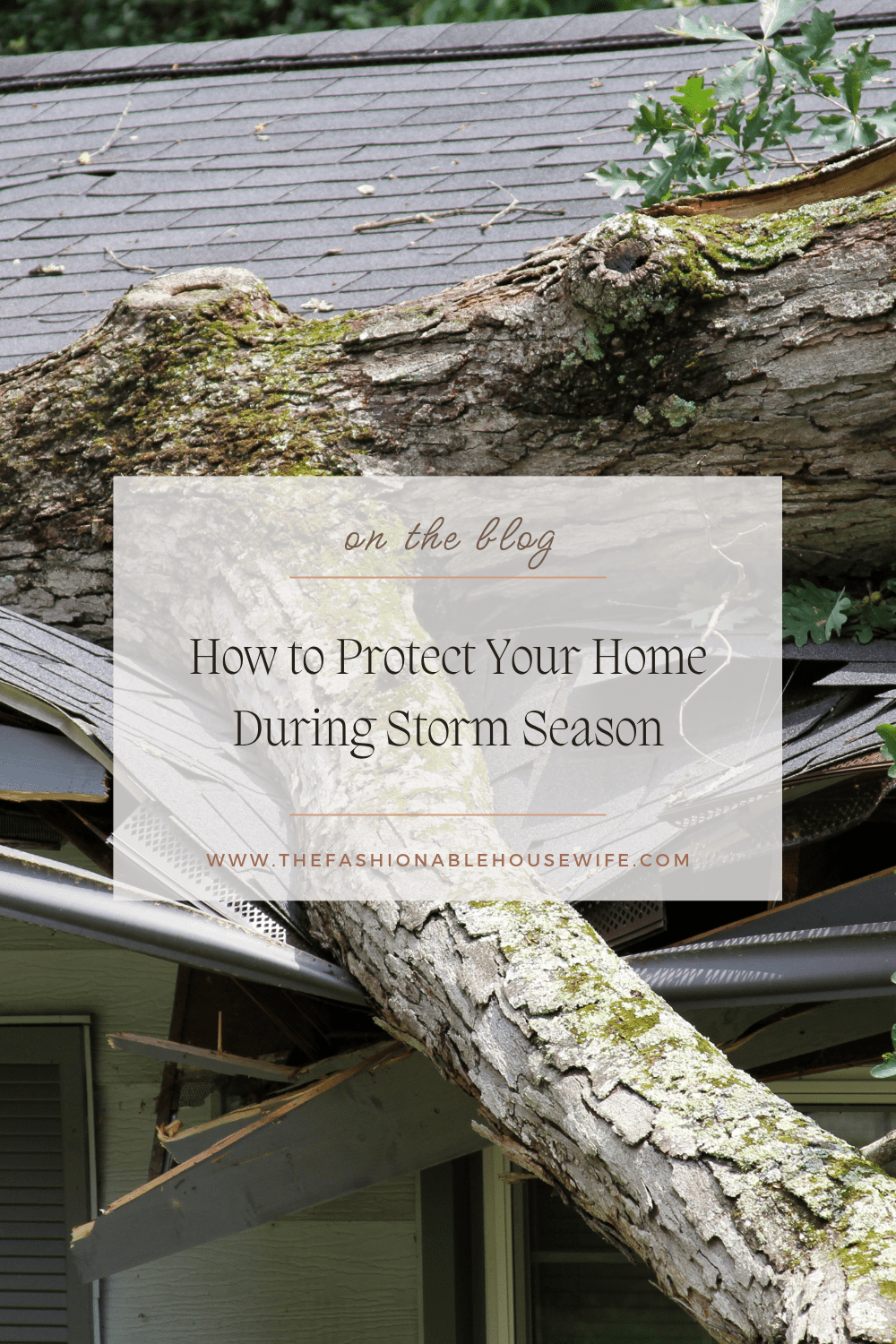
How to Protect Your Home During Storm Season
Key Takeaways
- Regular inspections and maintenance are key to preventing damage during storms.
- Protecting windows, doors, and roofs makes your home more secure.
- Having a family emergency plan can keep everyone safe and organized.
Table of Contents
- Inspect and Maintain Your Roof
- Secure Windows and Doors
- Clear Gutters and Drainage Systems
- Trim Trees and Secure Outdoor Items
- Review and Update Insurance Policies
- Assemble an Emergency Kit
- Develop a Family Emergency Plan
- Stay Informed and Monitor Weather Updates
- Conclusion
When storm season approaches, it is vital to take steps that safeguard your home. Many families face unexpected property damage because they are not prepared. By starting early and using simple strategies, you can lower the risk of hassle and ensure your loved ones stay safe. For additional support, homeowners can also explore professional Metro Detroit storm damage restoration services to help them recover after extreme weather events.
The pain of storm damage can be avoided. Preventing leaks, stopping winds from breaking windows, and getting everyone in your family on the same page help create a safer environment. These actions are straightforward, yet they offer serious protection. Every house can benefit from regular checkups and extra attention before a severe weather warning.
Gutters, roofs, doors, and even outdoor furniture matter when the wind picks up, and rain pours down. Make sure your supplies and emergency plans are ready to go. Having these basics in place can help prevent sudden repairs or worse losses.
If you live in Sterling Heights or the surrounding area, expert help is available. Reliable Sterling Heights restoration services can assist with urgent storm cleanup and long-term recovery, making a challenging time a bit easier.
Inspect and Maintain Your Roof
Your home’s roof is like a helmet protecting against rain, hail, and flying debris. Check your roof twice a year, looking for missing or broken shingles and loose flashing around chimneys and vents. Small cracks or holes can lead to leaks that may damage walls, ceilings, and even your belongings. If you spot damage, fix it yourself or call a roofing professional to avoid bigger headaches later.
After major storms, walk around your house and look for shingles in your yard or on the ground. These can hint at hidden problems overhead. For tall or complicated roofs, always consider hiring an expert to inspect and repair them. According to Ready.gov, catching problems early prevents water damage and lets you enjoy peace of mind during storms.
Secure Windows and Doors
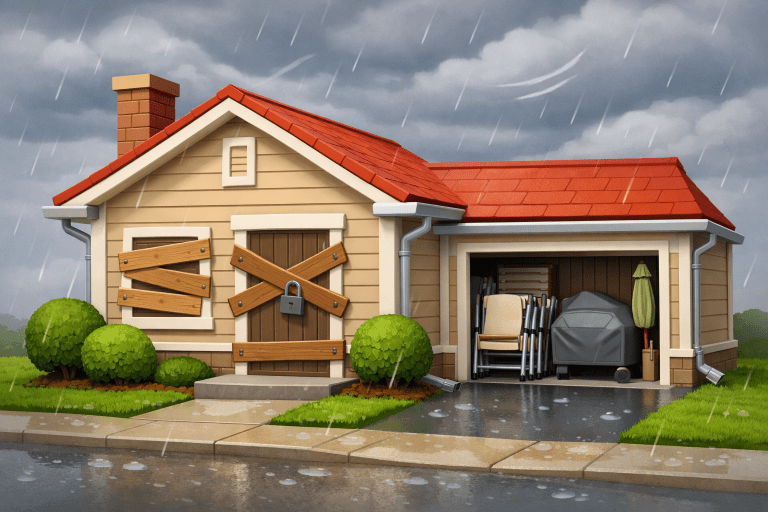
Windows and doors are the most likely spots for wind and flying debris to enter your house. To keep them solid, install storm shutters or replace glass with impact-resistant versions. If shutters are not an option, you can board up windows before a big storm. For exterior doors, use long screws when screwing in hinges, and check that your deadbolts are in good shape. These adjustments mean your doors are less likely to fly open or break if winds suddenly pick up.
Clear Gutters and Drainage Systems
Blocked gutters cause rainwater to spill over and seep right into your home’s foundation or walls. Each season, clear gutters and downspouts of leaves, sticks, and other debris. Adding gutter guards can save you time in the long run and keep your water drainage system working smoothly. Clogged drains during a storm can overwhelm your home, so check your drainage regularly and direct water away from the house to prevent flooding.
Trim Trees and Secure Outdoor Items
Broken branches or toppled trees may damage your roof, windows, or cars, so it pays to keep your landscaping neat. Trim any branches that hang over your house, garage, or power lines. Before a storm, move outdoor furniture, grills, garden tools, and toys into a shed or garage. Anything that the wind can pick up should be secured to prevent it from becoming dangerous debris. Besides making your property safer, these habits can also help with insurance claims if you ever need to file one, as recommended by the American Red Cross.
Review and Update Insurance Policies
Check your homeowner’s insurance every year to understand exactly what it covers. Regular policies may not include certain types of storm or flood damage. If you are in a high-risk area, consider adding extra flood or earthquake coverage. If you make any changes to your property, such as a new roof or windows, update your policy so you are fully protected. Reviewing your insurance means you will not face surprises after a costly storm event.
Assemble an Emergency Kit
Emergency kits are a must for every home. Collect at least 3 days’ worth of non-perishable food and water for each person in your household. Add flashlights, extra batteries, a first aid kit, medications, and a fully charged portable power bank. Store copies of important documents (such as ID, insurance papers, and bank information) in a waterproof box. Make sure everyone in your family knows where the kit is located and what is inside.
Develop a Family Emergency Plan
Planning what to do before storms hit can save lives and reduce panic. Pick a safe room or area in your house, such as a basement or interior hallway. Talk to your family about evacuation routes and where to meet if you get separated. Practice your plan a couple of times a year, so everyone knows what to do if the power goes out or phone service is lost. Having contact information for every family member and emergency service written and stored is also useful.
Stay Informed and Monitor Weather Updates
Staying aware of changing weather conditions allows for quick action, such as tuning into local news or using reliable weather apps. Alerts from emergency services help prepare for or evacuate when necessary. Regularly checking official forecasts and signing up for government text alerts is essential. Protecting your home during storm season can be manageable with simple steps and regular maintenance to keep your family safe.
Conclusion
Preparing your home for storm season is one of the most effective ways to protect your property, reduce potential damage, and keep your family safe. By staying proactive with roof inspections, securing windows and doors, maintaining drainage systems, trimming trees, reviewing insurance coverage, and creating an emergency plan, you can significantly improve your home’s resilience during severe weather. While no one can control the path or intensity of a storm, taking these preventive measures can minimize risks and help you recover more quickly if damage occurs. A little preparation today can provide greater safety, confidence, and peace of mind when the next storm arrives.