
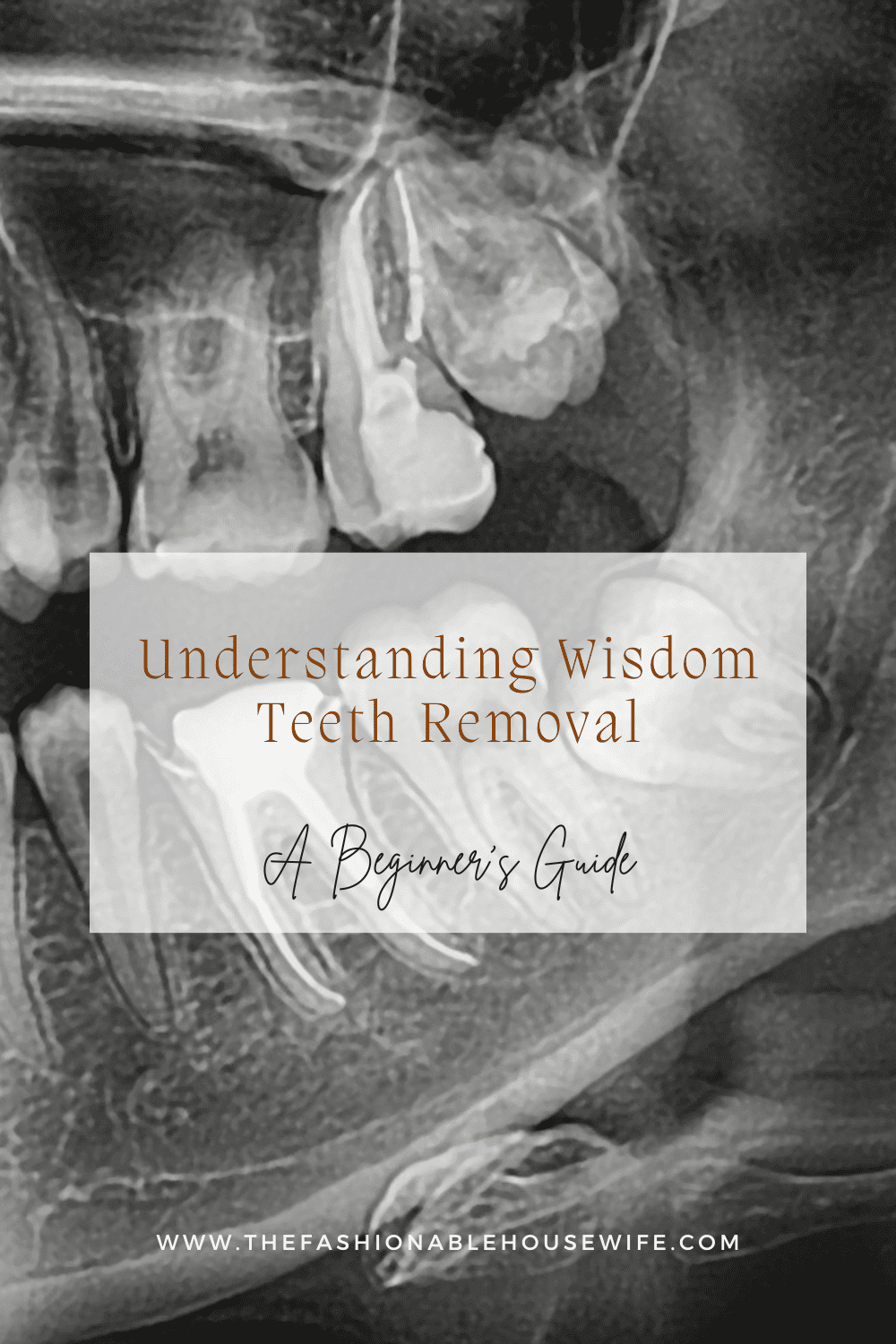
Understanding Wisdom Teeth Removal: What to Expect Before, During, and After
Key Takeaways
- Wisdom teeth usually erupt between ages 17 and 25, but may cause problems requiring removal.
- Anesthesia and sedation are selected based on your comfort and procedure complexity.
- Careful post-operative routines are the most effective way to avoid complications.
Table of Contents
- Why Remove Wisdom Teeth?
- Preparing for Surgery
- The Removal Procedure
- Post-Operative Care
- Potential Complications
- When to Contact Your Dentist
- Conclusion
Facing wisdom teeth extraction often brings anxiety and questions about what the procedure involves. Knowing the steps ahead of time helps make the experience much less intimidating and allows you to prepare physically and mentally. Whether you are unsure if you even need removal or you have a scheduled appointment, a bit of knowledge goes a long way. Many people consult an oral surgery specialist for evaluation and guidance before proceeding with this common dental treatment. Wisdom teeth extraction is a routine surgical procedure, but being well-informed about your options, the recovery process, and what to watch for after surgery is key. By taking these steps, you can minimize discomfort and speed up your return to normal activities.
Why Remove Wisdom Teeth?
Wisdom teeth, also called third molars, emerge in late adolescence or early adulthood. In many cases, there is not enough space in the jaw for these teeth to come in properly. This can lead to impaction, crowding with adjacent teeth, infections, or the formation of cysts. Dentists often recommend removal when these risks outweigh the benefits of keeping the teeth. Preventing future discomfort, alignment issues, or health complications forms the basis for proactive extraction.
Preparing for Surgery
Your dentist or oral surgeon will begin by reviewing your overall health and dental history to determine the best approach for removal. Full disclosure of your current medications, allergies, and any existing medical conditions helps ensure safe anesthesia and pain management. It’s now time to plan your recovery as well: arrange for someone to drive you home after the procedure, and take time off from work, school, or strenuous activities, especially in the first couple of days after surgery for optimal healing.
Pre-Surgical Instructions
In most cases, you will be asked to avoid food and drink for a set period before anesthesia. Your surgery team will give you a list of do’s and don’ts, from removing jewelry to wearing comfortable clothing. Preparing ice packs, soft foods, and a cozy rest area at home can streamline the transition from surgery to recovery. The Healthline wisdom teeth recovery guide provides useful insight into preparing your home environment and knowing when to seek support.
The Removal Procedure
Wisdom teeth extraction usually takes about an hour, with the duration varying based on the complexity and number of teeth being removed. Several anesthesia options ensure the procedure is painless:
- Local Anesthesia: This numbs the area but keeps you fully awake and aware.
- Sedation Anesthesia: Administered through intravenous (IV) medications to keep you calm and usually with no memory of the surgery.
- General Anesthesia: You are completely unconscious and will awaken after the procedure is finished.
The oral surgeon begins by making a small incision in the gum to expose the impacted tooth. If necessary, small amounts of bone may be removed, and the tooth might be divided into pieces for easier extraction. Once the tooth is out, the site is cleaned, stitched if required, and a gauze pad is placed to control bleeding. Most patients are monitored briefly before heading home to begin recovery.
Post-Operative Care
The hours and days after wisdom teeth removal are crucial for minimizing complications and maximizing comfort. Here are foundational tips for a smooth recovery:
- Rest: Remain quiet and limit activity for at least the first 24 hours. Elevate your head while sleeping to reduce swelling.
- Cold Compress: Use ice packs on your cheeks to keep swelling minimal during the first 36 hours.
- Soft Diet: Stick to soft foods like applesauce, yogurt, or mashed potatoes, and avoid hot, spicy, or crunchy foods. Refrain from using straws, as sucking can disrupt blood clots while they are healing.
- Good Oral Hygiene: Rinse gently with warm salt water after 24 hours, but do not brush directly over the extraction sites until your dentist advises it is safe to do so.
Keep track of your symptoms, pain levels, and any unusual changes. For most people, swelling and discomfort peak around 48 hours post-surgery, and clear improvements should be felt with each passing day.
Potential Complications
Though the procedure is safe for the vast majority, certain complications can occur. Knowing them allows you to respond quickly and appropriately:
- Dry Socket: Sometimes the blood clot that forms after extraction can become dislodged, leaving bone exposed. This causes significant pain and often requires professional treatment.
- Infection: Fever, pus, or worsening swelling may indicate infection at the surgery site. Immediate medical attention might be necessary.
- Nerve Damage: Rarely, nerves in the jaw may be irritated or injured, producing numbness or tingling, typically temporary but occasionally longer-lasting.
Preventive care and following all aftercare instructions greatly reduce risks, but monitoring changes and understanding warning signs are vital. Quick contact with your oral health provider ensures prompt care if problems develop.
When to Contact Your Dentist
Watch for specific symptoms that can signal a complication or infection requiring professional intervention. You should contact your dentist or surgeon if you experience:
- Unrelenting pain not relieved by prescription or over-the-counter medications
- Abnormal or prolonged bleeding and swelling that does not decrease as expected
- Fever, chills, or visible pus from the surgery site
- Difficulty swallowing or breathing
Staying informed about your postoperative progress and maintaining open communication with your dental care provider helps ensure a smoother, safer recovery.
Conclusion
Wisdom teeth removal is a common and effective procedure used to prevent future oral health problems such as crowding, infection, and impaction. Understanding the reasons for extraction, knowing what to expect during surgery, and following detailed aftercare instructions can significantly improve your recovery experience. Proper preparation before the procedure and careful monitoring afterward help reduce discomfort and lower the risk of complications, such as dry socket or infection. By maintaining open communication with your dental professional and adhering to recovery guidelines, most patients heal successfully and return to their normal routines within a relatively short period of time.