

Essential Skills Cultivated Through an Online Bachelor’s Program

Key Takeaways
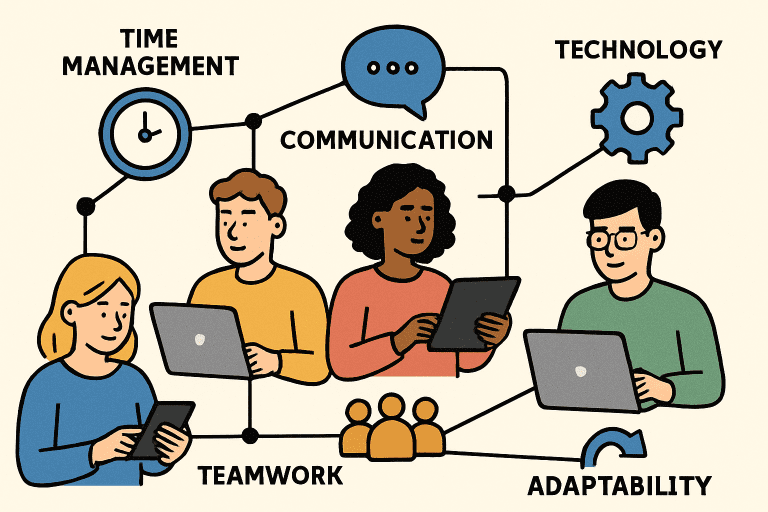
- Workforce-Ready Skills: Online bachelor’s programs help students develop time management, self-discipline, and independence.
- Strong Communication: Virtual learning strengthens written and digital communication skills used in modern workplaces.
- Tech Proficiency: Students gain experience with online tools, collaboration platforms, and digital systems.
- Critical Thinking: Coursework encourages problem-solving, research, and analytical decision-making.
- Career Preparation: Adaptability, teamwork, networking, and leadership skills prepare graduates for evolving professional environments.
Pursuing an online bachelor’s degree delivers benefits that extend beyond academic achievement. It instills a powerful set of skills that modern employers are eager to find. Students who participate in online programs often develop capabilities that are integral to career growth in today’s digital-first professional landscape. If you are considering advancing your education, St. Thomas University degrees present a flexible path to gaining both knowledge and relevant workforce skills.
The structure of online learning encourages personal growth in responsibility, communication, and adaptability. With coursework delivered virtually, individuals must be proactive, balancing personal obligations with academic requirements and consistently engaging through digital channels. These challenges forge lifelong strengths that translate directly to workplace effectiveness.
Time Management and Self-Discipline
Online degree programs require students to manage their schedules independently amid busy lives. Unlike traditional classroom settings, deadlines for assignments and exams are set within a flexible learning structure. Students learn to plan their time, prioritize tasks, and meet objectives without regular in-person reminders from instructors. Mastering these skills is invaluable, enabling graduates to transition smoothly into roles that require autonomy and initiative. According to Harvard Business Review, professionals skilled in time management show a marked increase in productivity and are more likely to stand out in the workplace.
Enhanced Communication Skills
Online learning typically centers around written communication, forums, emails, chat, and document collaboration. Clear expression and understanding are paramount, not only for coursework but also for team projects and interactions with professors. These experiences prepare students to communicate persuasively, document information carefully, and resolve misunderstandings efficiently. As a result, graduates can present ideas coherently and positively influence others in professional environments.
Technological Proficiency
From mastering video conferencing software to utilizing cloud-based productivity platforms, online students become adept at diverse digital tools. Regular interaction with learning management systems, collaborative editing environments, and virtual discussions enhances technical agility. In most industries, this technical fluency is necessary for efficient workflows. The confidence to quickly adapt to new platforms gives online program graduates a competitive advantage, especially in fields where digital transformation is ongoing.
Critical Thinking and Problem-Solving
Virtual programs often present complex, open-ended assignments. These encourage learners to research independently, interpret information critically, and evaluate potential solutions. Online study often involves case studies and simulations that mimic real-world challenges, helping students hone their analytical thinking and decision-making skills. Employers value these traits highly, especially in roles that require innovation or policy evaluation. A recent Forbes article highlights that problem-solving is among the top competencies sought by organizations worldwide.
Collaboration and Teamwork
Although geographically separated, online students frequently engage in group assignments. Successful collaboration requires navigating diverse perspectives, coordinating work across time zones, and leveraging digital communication tools to foster productive teamwork. These experiences help develop trust, compromise, leadership, and the ability to deliver results with remote or multicultural teams. This exposure is crucial for careers in global organizations or any work involving distributed teams.
Adaptability and Resilience
Learning through a digital platform introduces students to unexpected challenges, such as technical issues or evolving course requirements. Navigating these situations builds resilience, teaching students how to remain flexible and persistent amid change. Adaptability remains one of the top soft skills for employees in a world where industries and roles often shift rapidly. Embracing change with confidence allows graduates to thrive in dynamic settings and move smoothly between job functions.
Networking Opportunities
Online programs create valuable connections beyond what is possible in a traditional classroom. Through virtual classrooms, social forums, and discussion boards, students interact with peers and instructors from differing backgrounds and various professional fields. These interactions often lead to mentorship, partnerships, and career opportunities that span regions and industries. Alumni networks and professional online groups further broaden a student’s access to advice and job leads.
Leadership and Initiative
Self-directed learners often discover opportunities to demonstrate leadership throughout their online academic journey. This might involve organizing group projects, helping classmates with technical challenges, or volunteering for peer feedback. Such experiences foster the confidence required to assume leadership roles in the workplace. Individuals who consistently take initiative are viewed as reliable contributors and are frequently considered for promotions and managerial responsibilities.
Final Thoughts
Completing an online bachelor’s degree not only imparts subject matter expertise but also cultivates a robust set of skills that serve graduates in both immediate and long-term career pursuits. From communication and teamwork to technological proficiency and resilience, these abilities are valued by employers and are vital for navigating today’s evolving professional landscape. Investing in an online degree is more than an educational choice; it is a strategic step toward building a flexible and future-ready skill set.