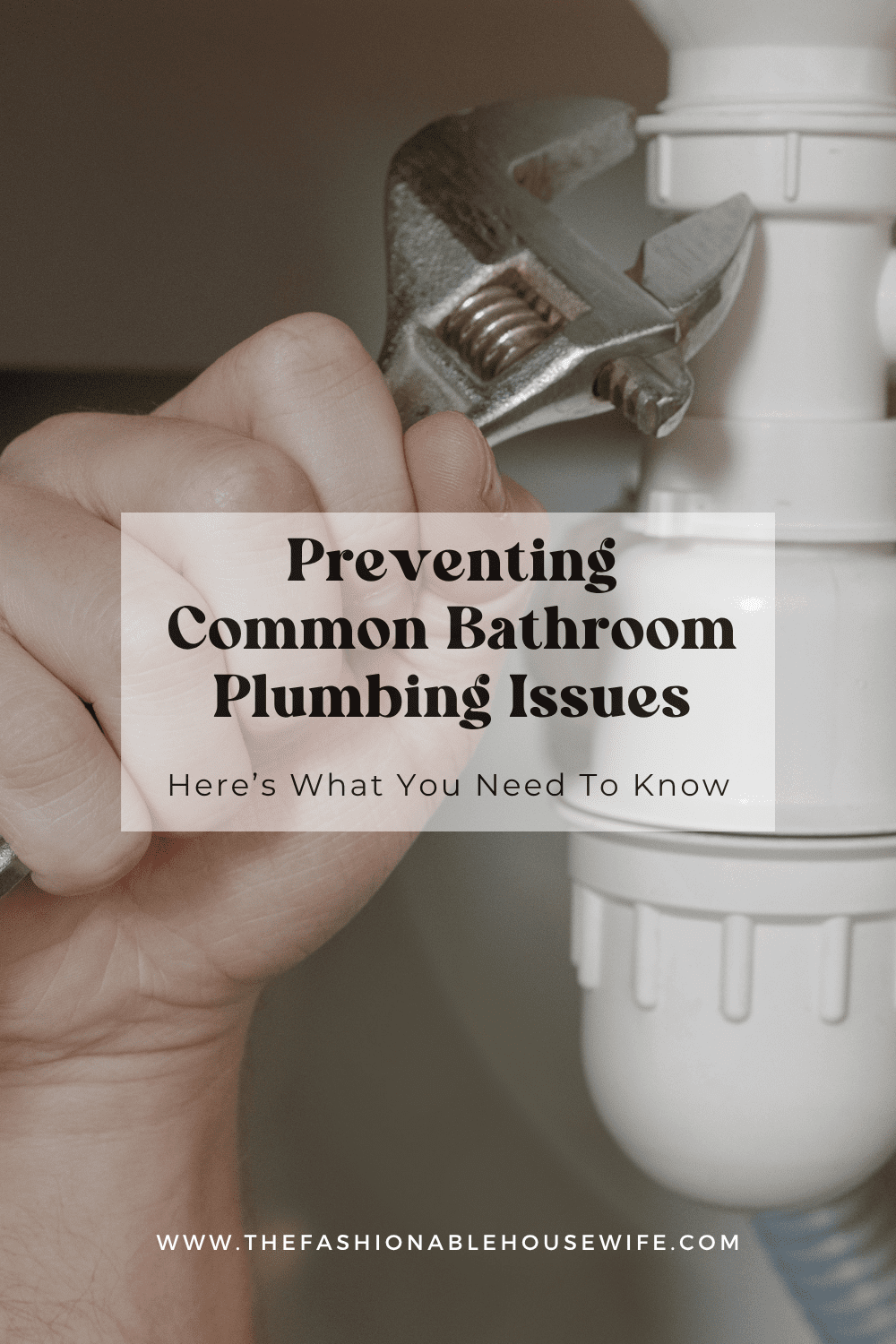
Preventing Common Bathroom Plumbing Issues: A Comprehensive Guide
Key Takeaways
- Regular maintenance can prevent common bathroom plumbing issues.
- Understanding how to troubleshoot minor problems can save time and money.
- Knowing when to call a professional is crucial to avoid further damage.
Table of Contents
- Regular Inspections
- Avoid Chemical Drain Cleaners
- Proper Disposal Habits
- Monitor Water Pressure
- Install Drain Strainers
- Address Leaks Promptly
- Insulate Exposed Pipes
- Test Water Heater Annually
- Know Your Shutoff Valves
- When to Call a Professional
- Conclusion
Regular Inspections
Conducting routine checks of your bathroom plumbing can help identify potential issues before they escalate. Look for signs of moisture, corrosion, or leaks around sinks, toilets, and exposed pipes. If you notice a shower faucet leaking, addressing it early can help prevent costly repairs and water damage.
In addition to visible signs of trouble, pay attention to subtle changes, such as musty odors or dripping sounds when no fixtures are in use. These clues could indicate hidden leaks or mold growth behind walls, and addressing them early can save significant hassle and expense down the road. It’s also a good idea to routinely check under bathroom vanities and around the base of toilets for any soft spots, discoloration, or water accumulation. Keeping a simple inspection checklist and noting any recurring issues can make professional assessments more efficient if you ever need to call in a plumber.
Avoid Chemical Drain Cleaners
Chemical drain cleaners may quickly fix clogs, but can harm pipes over time. Use a plunger or drain snake instead. For stubborn clogs, call a plumber. Chemicals are also hazardous to health and the environment. Natural solutions like baking soda and vinegar, followed by hot water, can clear minor blockages sans damage. Mechanical methods like plunging or using a drain auger are safe and effective. Regular cleaning and avoiding hair, floss, and soap scum help keep drains clean.
Proper Disposal Habits
Be careful what you put down drains. Only flush toilet paper and waste. Don’t pour grease or food scraps down the kitchen sink, as they can clog pipes. Items labeled “flushable,” like wipes, can still cause blockages and should be thrown in the trash. Proper disposal helps prevent plumbing issues, environmental harm, and expensive repairs. Educate household members, including kids, on correct disposal to avoid future problems.
Monitor Water Pressure
High water pressure can strain your plumbing system, leading to leaks and bursts. Use a pressure gauge to ensure your home’s water pressure stays within the recommended range of 40-60 psi. If it’s too high, consider installing a pressure regulator.
If you notice signs of water hammer (a loud thudding noise when you turn off a faucet), fluctuating flow, or abnormally forceful streams, these can all signal water pressure issues. Addressing high water pressure not only protects pipes and fixtures but can also extend the life of water-dependent appliances such as washing machines and water heaters. Pressure regulators are relatively affordable and can be installed by a professional for long-term peace of mind.
Install Drain Strainers
Drain strainers can catch hair, soap scum, and other debris, preventing them from entering your pipes and causing clogs. Regularly clean these strainers to maintain their effectiveness.
Strainers come in various styles and materials, from simple mesh cups to more decorative versions that match your bathroom’s aesthetic. Installing strainers takes only a few moments, and their impact on preventing clogs is significant. Ensure you check and empty the strainers frequently, especially in high-use bathrooms or family homes with long-haired individuals.
Address Leaks Promptly
Even small leaks cause water waste and damage over time. Fix dripping faucets or leaking pipes promptly to prevent problems. For example, a leaking shower faucet may signal underlying issues needing professional help. Beyer Plumbing, serving South Texas since 1990, offers reliable services in San Antonio, New Braunfels, and Boerne. Addressing leaks promptly conserves water, as slow drips can waste hundreds of gallons each year. Check hidden areas, such as pipe joints and appliance connections. If unsure, get professional help to avoid worsening the issue. Monitor your water bill for unexpected increases to catch leaks early.
Insulate Exposed Pipes
In colder climates, exposed pipes are susceptible to freezing and bursting. Insulate pipes in unheated areas like basements, attics, and crawl spaces to prevent this.
There are several types of insulation available, such as foam pipe sleeves, heat tape, and fiberglass wrap. It’s wise to insulate pipes before cold weather hits and to keep garage and external doors closed during winter to help maintain warmer temperatures. For added safety, during particularly frigid temperatures, letting a small stream of water trickle from faucets connected to exposed pipes can further reduce the risk of freezing.
Test Water Heater Annually
Sediment buildup in your water heater can reduce its efficiency and lifespan. Flushing the tank annually helps remove these deposits and ensures your heater operates effectively.
Along with flushing, check your water heater’s pressure relief valve to ensure it’s functioning correctly, an essential safety feature. Listen for unusual noises from your water heater, as banging or popping may indicate excessive sediment buildup. Keeping your water heater well-maintained not only saves energy and extends the device’s life but also ensures your showers remain comfortable all year round.
Know Your Shutoff Valves
Familiarize yourself with the location of your home’s main water shutoff valve and individual fixture shutoffs. In case of a major leak, quickly turning off the water supply can minimize damage.
Consider labeling each shutoff valve in your bathroom and kitchen for quick identification during a crisis. Practice turning these valves occasionally to prevent them from becoming stuck over time. Share this knowledge with other household members, including older children, so everyone in the home is prepared in the event of a plumbing emergency.
When to Call a Professional
While minor plumbing issues can often be fixed DIY, persistent problems like clogs, low water pressure, or hidden leaks require a licensed plumber. Incorrect repairs can cause water damage or void warranties, especially for main water lines or extensive renovations. Regular inspections by professionals help catch issues early. Proactive maintenance, including using drain strainers and insulation, and consulting experts when needed, keeps your plumbing functional and prevents costly repairs. Regular checkups ensure your bathroom remains safe, efficient, and hygienic all year.
Conclusion
In conclusion, maintaining a healthy plumbing system requires consistent care, preventive habits, and prompt attention to potential problems. Simple practices such as regular inspections, proper disposal habits, monitoring water pressure, and addressing leaks early can significantly reduce the risk of costly repairs and water damage. By combining proactive maintenance with professional assistance when necessary, homeowners can extend the lifespan of their plumbing system, improve efficiency, and ensure a safe, comfortable, and hygienic home environment year-round.