
Designing Connected Senior Living Communities to Promote Active Lifestyles
Key Takeaways
- Integrating nature and social spaces encourages physical activity and social interaction among seniors.
- Flexible, hospitality-driven designs cater to diverse interests and promote independence.
- Incorporating technology enhances safety and supports active lifestyles.
Table of Contents
- Integrating Nature and Social Spaces
- Flexible, Hospitality-Driven Designs
- Incorporating Technology for Safety and Engagement
- Designing for Urban Environments
- Collaborative Design Process
- Conclusion
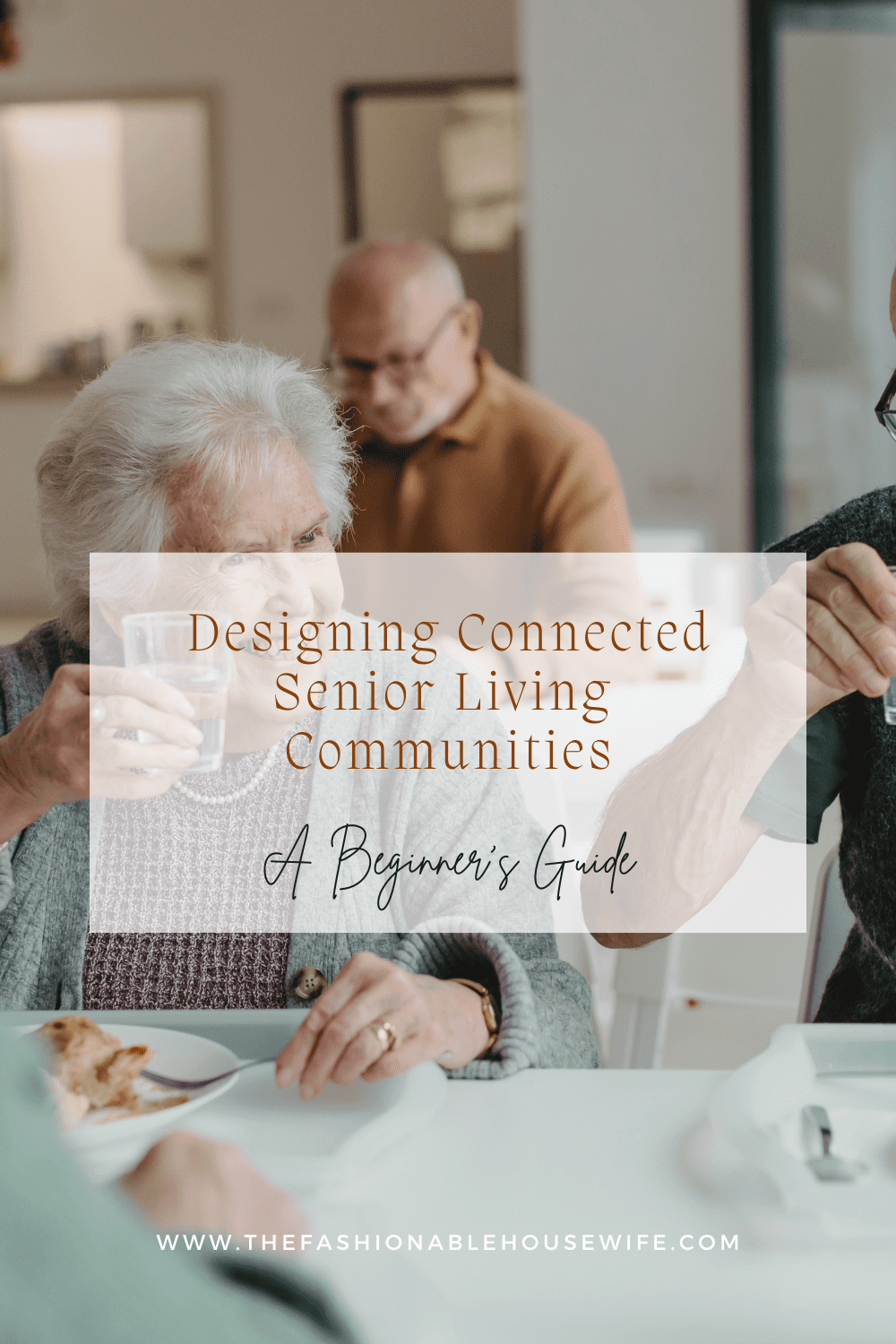
Senior living communities play a crucial role in empowering older adults to remain active, independent, and social. By weaving together thoughtful architecture, access to nature, and purposeful spaces, these communities can significantly enhance both well-being and independence. Discover how effective design fosters vibrant environments, making daily life more fulfilling for seniors and their loved ones, and learn more about leading approaches to senior living environments.
Research shows that communities fostering social connection and physical activity can slow cognitive decline and improve mental health. Such a design not only encourages engagement but also supports emotional resilience, catering to the holistic needs of older adults and their caregivers. As society increasingly values age-inclusivity, senior living developers are embracing adaptable frameworks to accommodate diverse lifestyles within these communities. Flexibility in design, paired with integrated technology, can give seniors more autonomy and peace of mind. Additionally, communal spaces designed for interaction help strengthen relationships and combat isolation. As cities grow, integrating these communities with the surrounding urban rhythm supports greater access to amenities, healthcare, and cultural opportunities. Inclusive planning, where residents, families, and staff contribute ideas, leads to spaces that reflect actual preferences and needs. Such collaborative methods, supported by academic research and cutting-edge technology, ensure the long-term success of senior living communities and their role in promoting active lifestyles for years to come.
Integrating Nature and Social Spaces
Access to green spaces and communal areas directly promotes physical and social well-being for seniors. Thoughtfully designed outdoor gardens, secure walking paths, and open courtyards make it easy for residents to incorporate physical activity and nature engagement into their routines. The WellAge Greeley Senior Living Community, for example, demonstrates how proximity to outdoor amenities directly supports active, social lifestyles. Secure gardens adjacent to lounges or dining areas allow for spontaneous interaction and safe exploration, reducing barriers to activity and connection.
Flexible, Hospitality-Driven Designs
Hospitality-inspired senior living communities design programs and facilities to reflect a broad spectrum of interests among their residents. These communities may offer dining venues ranging from casual cafes to formal restaurants, fitness studios, art rooms, and multipurpose gathering spaces. Residents are empowered to choose activities that are meaningful and enjoyable for them, promoting both independence and engagement. Contemporary communities now regularly incorporate hotel-level service and programming to meet residents’ evolving expectations, ensuring each individual feels valued and supported throughout their stay. For additional insights on the future of senior living architecture and the shift toward hospitality-based models,
Incorporating Technology for Safety and Engagement
Technology is transforming senior care by making communities safer, healthier, and more interactive for residents. AI-enabled monitors, wearable devices, and remote health solutions are increasingly being woven into daily routines, helping staff detect emerging health issues and intervene early. For example, AI-powered sensors can track movement patterns, sleep quality, and signs of potential risks, such as falls or medical emergencies, and alert caregivers in real time. These advances give residents and their families peace of mind, allowing seniors to pursue active, independent lifestyles and maintain confidence in their ability to live autonomously. Robust Wi-Fi infrastructure supports not only safety technologies but also social and recreational technology usage, such as virtual exercise classes and telemedicine appointments. By embracing both safety and engagement technologies, communities are better equipped to serve the evolving preferences and needs of aging populations.
Designing for Urban Environments
As urban land becomes scarcer and the desire for accessibility increases, senior living design is shifting towards mixed-use, high-rise developments that offer immediate access to shops, parks, and healthcare facilities. These urban-integrated communities, such as Benchmark at Alexandria, illustrate that density need not limit opportunities for connection, active living, or tranquility. Smart planning ensures that even high-rise residents enjoy communal terraces, rooftop gardens, and vibrant shared spaces, all within walking distance of city amenities and cultural attractions. This design model supports ease of errands, recreation, and lifelong learning while encouraging seniors to remain active participants in diverse urban communities.
Collaborative Design Process
Designing successful senior living communities begins with a participatory approach. Bringing residents, caregivers, staff, and designers together in the planning process ensures spaces are tailored to real-world preferences and needs. Collaborative methods such as Situated Participatory Design (sPD) invite all stakeholders to provide input on activity zones, accessibility, and daily routines at the earliest stages of conceptualization. By facilitating workshops, surveys, and feedback sessions, developers can anticipate challenges and implement solutions that feel personalized and deliberate. This results in environments that accommodate a full range of abilities, cultural backgrounds, and lifestyle aspirations, enhancing both satisfaction and long-term well-being among community members.
Conclusion
Connected senior living communities designed for active lifestyles offer far more than basic shelter or medical care. Through thoughtful integration of natural spaces, adaptive hospitality-inspired design, modern technology, and collaborative planning, these environments empower older adults to lead vibrant, social, and independent lives. By prioritizing both individuals’ autonomy and social connectivity, such communities set a new benchmark in aging well and living well.