
Modernizing Your Outdated Home: Strategies for a Contemporary Transformation
Key Takeaways
- Open layouts can create a feeling of spaciousness and increase natural light.
- Eco-friendly materials create modern aesthetics and promote sustainability.
- Kitchens and bathrooms offer significant opportunities for functional upgrades.
- Smart technology improves convenience, security, and energy management.
- Maintaining architectural details keeps the home’s character intact.
Transforming an older house into a modern sanctuary not only revitalizes its style but also enhances day-to-day living. Homeowners now seek solutions that blend aesthetic improvements with practical upgrades to create a living environment that reflects present-day standards. Whether you’re considering a comprehensive renovation or planning targeted updates, understanding contemporary approaches will help you maximize both value and comfort. For tailored design solutions, consult professionals such as SVW Designs to get started on your transformation journey. Upgrading an outdated home is not merely about following trends. It’s about making thoughtful changes that support your lifestyle, increase efficiency, and preserve the distinctive qualities that make your property unique. From adopting open floor plans to integrating smart technology, every step can contribute to a cohesive, modern look while meeting evolving needs.
Embracing Open Floor Plans
Open floor plans remain one of the most requested features for home remodels. By eliminating unnecessary partitions, you can merge living, dining, and kitchen spaces, creating a unified environment ideal for family gatherings and entertaining. Removing non-structural walls, installing wide entryways, and using continuous flooring are common choices. This approach gained popularity in urban homes where maximizing limited space can make residences feel larger and more welcoming.
Incorporating Sustainable Materials
Eco-friendly renovations have surged as homeowners seek designs that are attractive and responsible. Materials such as reclaimed wood, bamboo, cork, and recycled glass tile offer both durability and contemporary appeal. Using sustainable resources reduces environmental impact while creating a unique narrative for your home. For example, repurposed timber beams can be sanded and stained for dramatic ceiling features, while recycled concrete countertops offer a sleek, modern finish. Selecting products with certifications such as FSC (Forest Stewardship Council) further demonstrates a commitment to environmental stewardship. When planning these changes, consider integrating insulation, energy-efficient windows, and non-toxic paints.
Updating Kitchens and Bathrooms
Kitchens and bathrooms are focal areas where modernization pays off the most. Start by replacing outdated cabinetry, faucets, and hardware with minimalist, streamlined designs. Quartz and composite countertops, under-cabinet lighting, and touchless faucets are popular choices that deliver both style and practicality. Bathroom remodels can include frameless glass showers, floating vanities, wall-mounted toilets, and LED-lit mirrors. These upgrades not only refresh the look but also improve usability and energy consumption. Appliances are another opportunity for enhancement. Select models that are energy-certified and offer smart home integration. Improved storage solutions, such as deep drawers and pull-out shelving, streamline organization and convenience.
Integrating Smart Home Technology
Modern homes are increasingly defined by their technology. Smart thermostats, lighting systems, security cameras, and automated blinds provide homeowners with control at the touch of a button, often via smartphone. These upgrades contribute joyfully to daily routines, elevating everything from morning wake-up calls to home security checks. Installing an integrated system lets you monitor energy usage, set schedules, and receive alerts, helping your home run more efficiently and securely.
Preserving Architectural Character
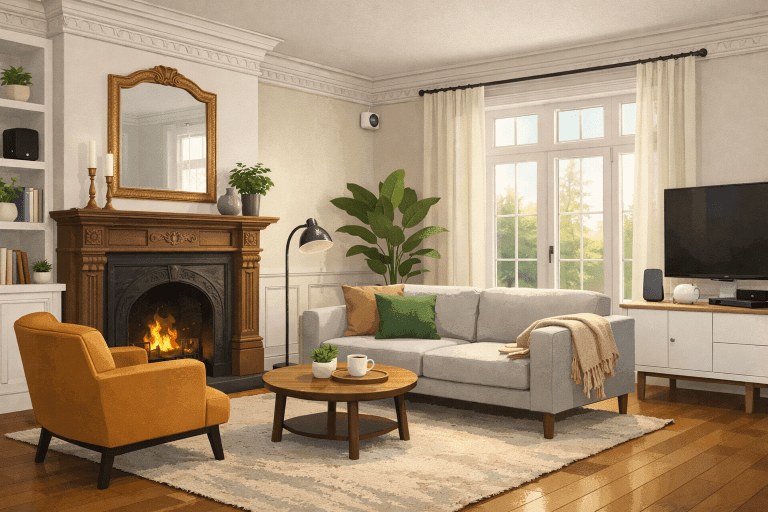
Preserving original features is essential for projects that modernize without erasing history. Architectural touches such as ornate moldings, exposed brick walls, or vintage fireplace mantels should be cleaned, refurbished, or painted to give them new life while respecting their heritage. This balance allows the home to feel contemporary while retaining its identity and charm. Period details, when paired with modern finishes, create an eclectic yet harmonious aesthetic that sets your home apart.
Enhancing Natural Light
Brighter rooms are instantly more cheerful and welcoming. You can maximize sunlight by installing larger windows, transoms, or skylights. Open floor plans, lighter paint colors, and glossy surfaces help reflect and amplify available daylight. Opt for sheer window treatments or glass doors to visually connect indoor and outdoor spaces, making your home feel larger and more connected to nature.
Creating Outdoor Living Spaces
Today’s homeowners desire a seamless transition between indoors and outdoors. Upgrades such as covered patios, composite decking, or thoughtfully landscaped gardens provide spaces for relaxation and gathering. Features like built-in seating, outdoor kitchens, and fire pits further enhance your home’s usability and market appeal. Ensuring visual coherence with indoor finishes fosters a continuous living experience, blurring boundaries and inviting year-round enjoyment.
Conclusion
Modernizing an outdated home involves a careful blend of innovation and preservation. By choosing open layouts, sustainable materials, updated kitchens and bathrooms, smart technology, and maximized natural light, you can achieve a space that is stylish, efficient, and true to its roots. Thoughtful renovation not only improves your property’s value but also your daily quality of life, creating a home ready for both the present and the future.