

Advanced Skincare and Aesthetic Treatments

Defining Modern Advanced Skincare Treatments
Achieving truly radiant, healthy skin often requires more than just a daily cleanse and moisturize. In April 2026, the landscape of skincare has advanced significantly, offering sophisticated solutions for a wide array of concerns. We understand the desire for skin that not only looks good but feels genuinely healthy and vibrant.
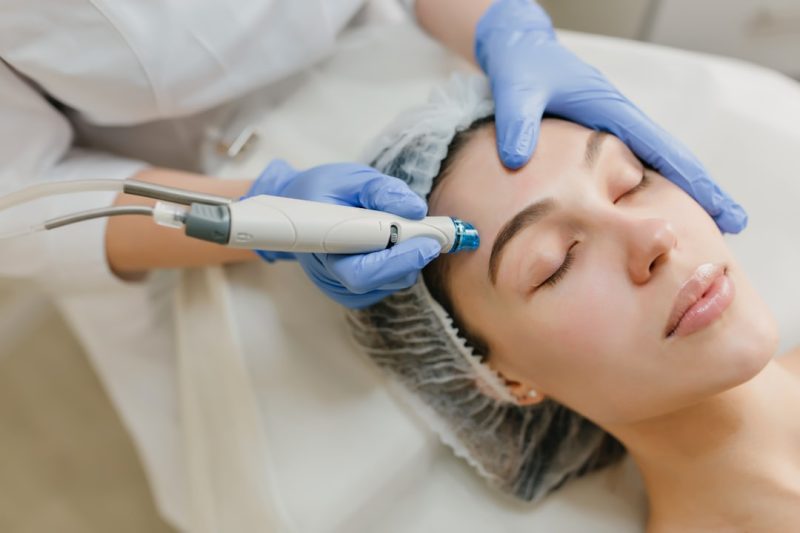
This extensive guide explores the exciting realm of advanced skincare treatments. We’ll delve into professional procedures that go beyond surface-level care, targeting specific concerns with precision and efficacy. From renewing texture to refining tone, these treatments are designed to deliver noticeable, lasting results.
We’ll uncover how treatments like chemical peels, microneedling, and various laser therapies work to rejuvenate your complexion. We’ll also examine the role of light therapy and cutting-edge biostimulators. Whether you’re looking to address fine lines and pigmentation or simply achieve a more luminous glow, understanding options such as advanced skin tone treatments can help guide your choices. Join us as we explore the science and benefits behind today’s most effective aesthetic solutions.
Modern advanced skincare treatments represent a significant leap beyond conventional at-home routines, offering clinical efficacy and targeted solutions for a myriad of skin concerns. Unlike over-the-counter products that primarily address superficial issues, these professional procedures leverage cutting-edge technologies and medical-grade ingredients to achieve profound cellular renewal and rejuvenation. They are designed to penetrate deeper layers of the skin, initiating biological responses that lead to more dramatic and lasting improvements in skin health and appearance.
At its core, advanced skincare acknowledges that the skin is the body’s largest organ, a complex and dynamic system influenced by genetics, environment, and lifestyle. Therefore, effective treatment requires a holistic and sophisticated approach. These treatments often involve specialized devices, concentrated formulations, and techniques that stimulate the skin’s natural healing and regenerative processes. This includes encouraging new collagen and elastin production, accelerating cell turnover, and precisely targeting issues like hyperpigmentation, acne scarring, fine lines, and laxity.
The distinction between professional and over-the-counter (OTC) skincare lies not only in the potency of ingredients but also in the method of delivery and the expertise of the practitioner. While OTC products offer general maintenance and mild improvements, advanced treatments are performed in a clinical setting by qualified professionals who can assess individual skin types and concerns, tailoring protocols for optimal safety and results.
The qualifications of providers for advanced treatments are paramount. For deeper and more intensive procedures, such as ablative lasers or certain chemical peels, treatments should ideally be performed by board-certified cosmetic surgeons or dermatologists. For lighter, less invasive treatments like superficial chemical peels, microneedling, or LED therapy, experienced and licensed aestheticians or nurses, often working under medical supervision, are appropriate. These professionals possess the in-depth knowledge of skin anatomy, physiology, and pathology, as well as the technical skill to operate specialized equipment and manage potential side effects. Their expertise ensures that treatments are not only effective but also safe, minimizing risks and optimizing outcomes. Medical-grade standards are strictly adhered to, from the sterilization of equipment to the quality of products used, ensuring a controlled and therapeutic environment.
Understanding the intricate layers of the skin—epidermis, dermis, and hypodermis—is crucial for appreciating how advanced treatments work. Different treatments are designed to target specific depths, whether it’s gently exfoliating the outermost stratum corneum, stimulating collagen in the dermis, or even influencing deeper tissues. This precise targeting is what allows advanced skincare to deliver such impactful results, moving beyond temporary fixes to foster genuine, long-term skin health.
Chemical and Mechanical Resurfacing Techniques
Resurfacing techniques are fundamental to advanced skincare, working to remove damaged outer layers of skin to reveal a fresher, smoother complexion beneath. These methods stimulate cellular renewal, addressing a wide range of concerns from texture irregularities to pigmentation issues.
Chemical Peels
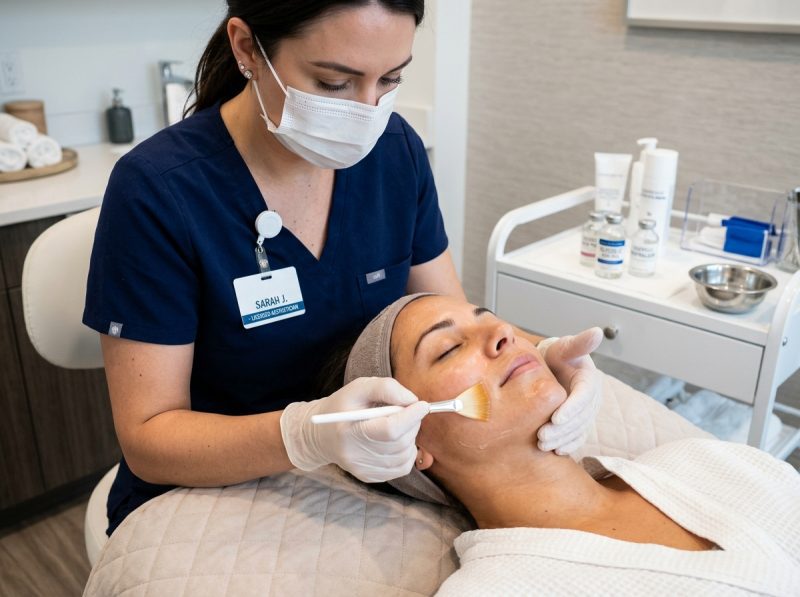
Chemical peels involve the application of a controlled chemical solution to the skin, which exfoliates the top layers and encourages new, healthier skin to emerge. The type and strength of the acid determine the depth of the peel and the intensity of the results.
- Alpha Hydroxy Acids (AHAs): These are typically milder, superficial peels that often use glycolic acid or lactic acid. They are excellent for improving skin texture, mild discoloration, and providing an overall brightening effect. They work by loosening the bonds between dead skin cells, allowing them to slough off more easily.
- Beta Hydroxy Acids (BHAs): Salicylic acid is a common BHA, particularly effective for acne-prone skin due to its oil-soluble properties, allowing it to penetrate pores and dissolve sebum.
- Trichloroacetic Acid (TCA): TCA peels are medium-depth and can address more significant concerns like fine lines, sun damage, and moderate hyperpigmentation. They offer more dramatic results but come with a longer downtime.
- Phenol Peels: These are the deepest and most aggressive peels, typically performed under medical supervision. They are reserved for severe sun damage, deep wrinkles, and significant scarring.
Chemical peels work by triggering the skin’s natural healing response. As the old skin peels away, new skin cells are generated, and collagen production is stimulated, leading to improved elasticity, reduced fine lines, and a more even skin tone. A single mild chemical peel treatment can start from around £80, with deeper peels ranging from £250 to £500 per session. For optimal and dramatic improvements in skin clarity and texture, a course of four treatments over 10 weeks is often recommended.
Mechanical Resurfacing: Microdermabrasion and Dermabrasion
Mechanical resurfacing techniques physically remove the outermost layers of skin. While both microdermabrasion and dermabrasion aim to improve skin texture and appearance, they differ significantly in their intensity and the concerns they address.
Feature Microdermabrasion Dermabrasion Mechanism Uses fine crystals or a diamond-tipped wand to gently abrade the skin’s surface. Uses a rapidly rotating wire brush or burr to aggressively sand down the skin. Depth of Exfoliation Superficial (epidermis) Medium to deep (epidermis and upper dermis) Anesthesia None or topical numbing cream Local or general anesthesia Downtime Minimal to none (redness for a few hours) Significant (weeks to months of redness, swelling, crusting) Concerns Addressed Fine lines, mild sun damage, uneven texture, enlarged pores, superficial scars. Deep wrinkles, severe acne scars, surgical scars, significant sun damage, rhinophyma. Risk Profile Low (temporary redness, mild sensitivity) Higher (infection, scarring, permanent pigmentation changes) Frequency Series of 4-6 treatments, then maintenance. Usually a single, intensive treatment. Microdermabrasion is a less invasive procedure that gently exfoliates the skin, making it ideal for those seeking to refresh their complexion with minimal downtime. It can significantly improve skin clarity and radiance, with a series of 4–6 treatments typically recommended for sustained results.
Dermabrasion, on the other hand, is a more aggressive surgical procedure that targets deeper skin imperfections. It is often performed by a cosmetic surgeon and requires considerable recovery time due to the depth of skin removal.
Both chemical peels and mechanical resurfacing methods are powerful tools in advanced skincare, offering pathways to smoother, more radiant skin. For those seeking comprehensive guidance on effective, safe options, exploring resources such as dermatologist-formulated advanced skincare treatments can provide valuable insights into selecting the right approach for your unique skin needs.
Innovative Microneedling and Laser Technologies
The evolution of advanced skincare has brought forth technologies that stimulate the skin’s natural regenerative capabilities, offering solutions for concerns once thought irreversible. Microneedling and laser treatments stand at the forefront of these innovations.
Collagen Induction and Microneedling in Advanced Skincare Treatments
Microneedling, also known as collagen induction therapy, is a minimally invasive procedure that creates microscopic punctures in the skin using fine needles. These controlled micro-injuries trigger the body’s natural wound-healing process, leading to a surge in collagen and elastin production. This renewal process significantly improves overall skin tone, diminishes enlarged pores, enhances elasticity, and effectively reduces the appearance of acne scars and stretch marks.
The benefits of microneedling can be further amplified through various combinations:
- Radiofrequency (RF) Microneedling: Devices like Vivace or Morpheus8 combine microneedling with radiofrequency energy. The needles deliver RF energy directly into the deeper layers of the skin, creating thermal damage that further stimulates collagen and elastin remodeling. This dual action provides more dramatic results for skin tightening, fine lines, wrinkles, and scar reduction. RF microneedling is particularly customizable, with adjustable needle depths and RF intensity, making it suitable for various skin types, including darker tones, as insulated needles minimize surface damage.
- PRP (Platelet-Rich Plasma) Therapy: Often referred to as a “Vampire Facial,” this involves drawing a small amount of the patient’s blood, processing it to concentrate the platelets (which are rich in growth factors), and then applying this plasma to the skin during or immediately after microneedling. The micro-channels created by the needles allow the PRP to penetrate deeply, enhancing the regenerative effects and accelerating healing.
- Stem Cell Growth Factors and Exosomes: Emerging treatments incorporate topical applications of stem cell-derived growth factors or exosomes post-microneedling. These powerful biological messengers further boost cellular repair, collagen synthesis, and overall skin rejuvenation, offering advanced Non-surgical rejuvenation options for those seeking cutting-edge solutions.
Single microneedling sessions typically start from £150 and last around 30 minutes, with noticeable improvements often seen after just one session. A series of 3-6 treatments spaced 4-6 weeks apart is usually recommended for optimal, long-lasting results, followed by annual maintenance.
Laser Resurfacing and IPL for Advanced Skincare Treatments
Laser and intense pulsed light (IPL) therapies utilize concentrated light energy to target specific skin concerns, offering powerful solutions for pigmentation, texture, and rejuvenation.
- Laser Resurfacing: This category encompasses various laser types, each with its own mechanism.
- Ablative Lasers (e.g., CO2, Erbium): These lasers vaporize the outermost layers of skin, removing damaged tissue. Erbium lasers, for instance, are absorbed by water in skin cells, precisely destroying targeted tissue and stimulating collagen tightening. They are highly effective for deep wrinkles, significant sun damage, and advanced scarring. While offering dramatic results, they involve more downtime (typically 1-2 weeks of recovery, with full healing taking 5-21 days) and a higher risk profile. Prices for skin resurfacing treatments can range from $500–$2,000+ per session.
- Non-Ablative Lasers (e.g., Clear + Brilliant): These lasers heat the underlying skin tissue without removing the surface layer. They stimulate collagen production with minimal downtime, making them ideal for improving overall skin tone and texture and reducing fine lines with less aggressive recovery. Clear + Brilliant, for example, is a gentle fractional laser treatment that offers minimal discomfort and typically requires 4-6 sessions for optimal results.
- Fractional Lasers (e.g., ProFractional): These lasers deliver microscopic columns of energy to the skin, treating only a fraction of the tissue while leaving surrounding areas intact. This “fractionated” approach allows for faster healing and reduced downtime compared to traditional ablative lasers, while still effectively addressing fine lines, wrinkles, acne scars, and sun damage. Initial results can be seen within 3-5 days, with continued improvement for up to 6 months.
- IPL (Intense Pulsed Light) Therapy: Unlike lasers that use a single wavelength, IPL uses a broad spectrum of light. This light is absorbed by specific chromophores in the skin, such as melanin (for pigmentation) and hemoglobin (for vascular lesions). IPL is highly effective for treating sun spots, freckles, rosacea, broken capillaries, and overall photo-rejuvenation. It’s a non-invasive treatment with minimal to no downtime, often requiring multiple sessions for best results.
Laser treatments like these can also be used for targeted hair removal. Single laser hair removal sessions can start from £300 for areas like half leg, Hollywood bikini, and underarms, typically requiring a course of 6-8 sessions for a significant reduction in hair regrowth.
When considering these advanced technologies, a thorough consultation with a qualified professional is essential to determine the most appropriate treatment plan for your skin type, concerns, and desired outcomes.
Light Therapy and Regenerative Biostimulators
Beyond mechanical and thermal resurfacing, advanced skincare harnesses the power of light and the skin’s innate regenerative capacity. Light therapy and biostimulators offer non-invasive to minimally invasive pathways to healthier, more youthful-looking skin.
LED Light Therapy
LED (Light Emitting Diode) light therapy uses specific wavelengths of light to penetrate the skin at different depths, triggering various cellular responses without heat or discomfort. It’s a versatile treatment that can be used alone or as an excellent complement to other advanced procedures to enhance healing and results.
Different colors of light target distinct concerns:
- Red Light Therapy: Often referred to as “anti-aging” light, red and near-infrared wavelengths penetrate deeply to stimulate fibroblasts, which are responsible for producing collagen and elastin. This leads to reduced fine lines and wrinkles, improved skin firmness, and enhanced overall skin texture. It also promotes circulation and reduces inflammation.
- Blue Light Therapy: Primarily known for its antibacterial properties, blue light targets P. acnes bacteria, which are a major contributor to acne breakouts. It helps to reduce inflammation and clear existing blemishes, making it a popular choice for acne management.
- Green Light Therapy: This wavelength is often used to address hyperpigmentation and improve skin tone. It can help break down melanin clusters, leading to a more even, brighter complexion.
Many professional-grade LED devices are now available for home use, allowing individuals to maintain their skin’s health and enhance the benefits of clinical treatments between salon visits. However, professional LED devices typically offer higher power output and more precise wavelength delivery, leading to more significant and faster results.
Regenerative Biostimulators
Biostimulators represent a cutting-edge approach in aesthetic medicine, focusing on stimulating the body’s own collagen production rather than simply filling in volume. Unlike traditional dermal fillers that primarily add volume with substances like hyaluronic acid (HA), biostimulators prompt the skin to naturally regenerate its structural components over time.
- Poly-L-lactic Acid (PLLA) – e.g., Sculptra: This injectable substance works by stimulating the body to produce its own collagen. When injected, PLLA particles are gradually absorbed by the body while triggering a natural inflammatory response that leads to new collagen formation around them. This results in a gradual, natural-looking improvement in skin thickness, firmness, and elasticity over several months. It’s particularly effective for addressing facial volume loss and improving skin laxity.
- Calcium Hydroxylapatite (CaHA) – e.g., Radiesse: Similar to PLLA, CaHA microspheres stimulate collagen production. They provide immediate volume upon injection, but their primary long-term benefit comes from encouraging natural collagen synthesis, leading to sustained improvement in skin structure and firmness.
- Hyaluronic Acid (HA) Biostimulators (e.g., SkinVive by Juvéderm): While traditional HA fillers add volume, newer HA formulations are designed to improve skin quality and hydration rather than just filling. These act as biostimulators by attracting water and promoting a healthier skin environment, which can indirectly support collagen and elastin.
Biostimulators are a powerful tool for tissue remodeling and achieving a non-surgical lifting effect. They are particularly appealing to individuals seeking gradual, natural-looking rejuvenation and long-term improvements in skin quality. The results evolve over several months as new collagen forms and can last for a year or more, with maintenance treatments recommended to sustain the effects. For those exploring comprehensive strategies to enhance skin health and vitality, consulting resources that detail dermatologist-formulated advanced skincare treatments can provide further guidance on these innovative options.
Practical Considerations: Recovery, Cost, and Maintenance
Embarking on a journey with advanced skincare treatments involves understanding several practical aspects, including the typical downtime, associated costs, and the ongoing commitment required for optimal and lasting results.
Downtime and Recovery
The recovery process varies significantly depending on the intensity and type of advanced treatment.
- Light Chemical Peels & Microdermabrasion: Minimal to no downtime. You might experience temporary redness, mild flaking, or sensitivity for a few hours to 1-3 days. You can typically return to work immediately or within a day.
- Microneedling & Superficial Lasers (e.g., Clear + Brilliant): Generally low downtime. Expect redness, swelling, and a sensation similar to a sunburn for 1-3 days. Some mild peeling may occur. Full recovery usually takes about a week.
- RF Microneedling (e.g., Vivace, Morpheus8): Similar to traditional microneedling but potentially slightly more intense. Redness and swelling may last 2-4 days. It’s advised to avoid makeup, hot environments, and strenuous exercise for 2 days. Total recovery is often within a week.
- Medium Chemical Peels & Fractional Lasers (e.g., ProFractional): Moderate downtime. Redness, swelling, and peeling can last for 3-7 days. The skin may feel rough or tight. Full healing can take 1-2 weeks, with persistent redness covered by makeup.
- Ablative Lasers (e.g., Erbium, CO2): Significant downtime. Expect intense redness, swelling, oozing, and crusting for 1-2 weeks. Full healing can take 1-4+ weeks, with residual redness possibly lasting for months.
During any recovery period, diligent sun protection is crucial. Treated skin is highly sensitive to UV radiation, and exposure can lead to complications like hyperpigmentation. Always apply a broad-spectrum SPF 30+ sunscreen daily and avoid direct sun exposure.
Average Costs
The cost of advanced skincare treatments can vary widely based on the specific procedure, the practitioner’s experience, the geographic location, and the number of sessions required.
- Chemical Peels: Mild peels can start from £80 per session, while deeper peels range from £250 to £500 per session.
- Microneedling: Single sessions typically start from £150.
- Microdermabrasion: From £50 per session.
- Skin Resurfacing (Lasers): Prices can range from $500–$2,000+ per session, with some non-ablative lasers like Clear + Brilliant costing $300-$500 per session.
- RF Skin Tightening / RF Microneedling: Can range from $200 to $4,000 per session, depending on the device and area treated.
- Laser Hair Removal: A single session for areas like the half leg, Hollywood bikini, and underarms can start from £300.
Many advanced treatments achieve optimal results through a series of sessions rather than a single treatment, so the total investment should be considered.
Treatment Frequency and Long-Term Maintenance
For most advanced treatments, a series of initial sessions is necessary to achieve the desired outcome, followed by maintenance treatments to prolong the results.
- Chemical Peels: A course of four treatments over 10 weeks is often recommended for dramatic improvements.
- Microdermabrasion: A series of 4–6 treatments is typically suggested for sustained improvement, with maintenance sessions every 4-6 weeks.
- Microneedling & RF Microneedling: 3-6 treatments spaced 4-6 weeks apart are common, with annual maintenance.
- Lasers (e.g., Clear + Brilliant, ProFractional): 4-6 sessions for Clear + Brilliant; 2-4 initial treatments for ProFractional, with semi-annual or annual visits for maintenance.
- Laser Hair Removal: Typically requires a course of 6-8 sessions.
- Biostimulators: Results evolve over months, with annual maintenance treatments recommended.
Home Care Synergy and Risk Mitigation
Consistent home skincare is not just complementary but essential for maximizing and maintaining the results of professional advanced treatments. This includes:
- Gentle Cleansing: Using a mild, pH-balanced cleanser twice daily.
- Targeted Serums: Incorporating serums with active ingredients like Vitamin C (for antioxidants and brightening), hyaluronic acid (for hydration), and retinol (for cell turnover and collagen stimulation) as advised by your practitioner.
- Daily Sun Protection: Non-negotiable. A broad-spectrum SPF 30 or higher must be applied every morning, regardless of the weather, to protect new skin and prevent hyperpigmentation.
- Moisturization: Keeping the skin well-hydrated supports barrier function and healing.
Risk mitigation involves choosing qualified providers, adhering strictly to pre- and post-treatment instructions, and openly discussing your medical history and any concerns during consultation. Potential risks include temporary redness, swelling, peeling, bruising, and, in rare cases, infection, scarring, or hyperpigmentation, particularly for darker skin tones with certain laser treatments if not performed correctly.
By understanding these practical considerations, individuals can make informed decisions, manage expectations, and commit to a routine that supports long-term skin health and radiance.
Frequently Asked Questions about Advanced Skincare Treatments
Who is the ideal candidate for professional skin procedures?
The ideal candidate for advanced skincare treatments is someone looking to address specific skin concerns that cannot be effectively managed with basic home care. This often includes individuals experiencing fine lines, wrinkles, uneven skin tone or texture, sun damage, hyperpigmentation, acne scars, enlarged pores, or mild to moderate skin laxity. A thorough consultation with a qualified professional is crucial to assess your skin type, concerns, and overall health. Factors such as your Fitzpatrick skin type (how your skin reacts to sun exposure), any underlying medical conditions, current medications, and lifestyle habits will be evaluated. While many treatments are safe for a wide range of skin types and ages, certain contraindications (e.g., pregnancy, active infections, certain autoimmune diseases, and recent Accutane use) may preclude you from specific procedures. For instance, microneedling and certain RF microneedling devices like Vivace are often suitable for all Fitzpatrick skin tones, whereas some ablative lasers may carry higher risks of post-inflammatory hyperpigmentation in darker skin. Age-related concerns, from early signs of aging in your 30s to more pronounced changes in your 50s and beyond, can all be effectively targeted.
Can different aesthetic treatments be safely combined?
Yes, combining different aesthetic treatments can often yield synergistic results that are more comprehensive and impactful than a single treatment alone. This approach, known as “stacking” or combination therapy, allows practitioners to target multiple skin concerns simultaneously or enhance the efficacy of individual treatments. For example, combining chemical peels with microneedling can optimize skin rejuvenation by addressing both surface texture and deeper collagen stimulation. Similarly, pairing laser resurfacing with injectable treatments like dermal fillers or biostimulators can tackle both surface imperfections and volume loss. LED light therapy is frequently used post-procedure to accelerate healing and reduce inflammation. However, the key to safe and effective combination therapy lies in professional planning and execution. A skilled practitioner will develop a customized treatment sequence, ensuring that treatments are spaced appropriately to allow for healing and to prevent over-stressing the skin. They will also adhere to strict safety protocols, considering how each treatment interacts with the others to maximize benefits while minimizing risks.
How do at-home devices compare to professional clinical equipment?
At-home versions of advanced treatments, such as LED masks or mild chemical peels, have become increasingly popular, offering convenience and a lower price point. However, they generally do not compare to the power, precision, and efficacy of professional clinical equipment.
- Power Output: Professional devices typically have significantly higher power outputs (e.g., stronger laser wavelengths, deeper microneedling depths, more intense RF energy) that can achieve more substantial and lasting results. At-home devices are designed with safety in mind for untrained users, meaning their power is limited.
- Depth of Penetration: Clinical devices can reach deeper layers of the skin, where collagen and elastin production occur, leading to more profound cellular changes. At-home tools are usually restricted to superficial layers.
- Safety Regulations and Risk: Professional equipment is operated by trained and licensed individuals who understand skin anatomy and can adjust settings based on individual needs, minimizing the risk of adverse effects. While at-home devices are generally safe, improper use can still lead to skin irritation, burns, or other injuries, and the results are often less dramatic and temporary compared to clinical treatments.
- Result Longevity: Due to their higher power and deeper penetration, professional treatments typically offer more significant and longer-lasting results, often requiring fewer sessions over time. At-home devices usually provide subtle improvements that require consistent, ongoing use to maintain.
- Professional Supervision: The expertise of a practitioner in assessing skin, selecting appropriate treatments, and managing post-treatment care is invaluable and cannot be replicated by an at-home device.
While at-home devices can be a good supplementary tool for maintaining skin health between professional appointments, they should not be seen as a direct replacement for the targeted, powerful, and safe results achievable with professional clinical equipment and expert supervision.
Conclusion
As we navigate April 2026, advanced skincare and aesthetic treatments continue to evolve, offering an unprecedented array of options for achieving and maintaining radiant, healthy skin. From the transformative power of chemical peels and the collagen-boosting effects of microneedling to the precision of laser therapies and the regenerative capabilities of biostimulators, these treatments go far beyond superficial beauty. They represent a commitment to skin health at a cellular level, addressing concerns with scientific rigor and personalized care.
The journey to your best skin is a unique one, and the most effective path is always paved with a personalized treatment plan. This involves a thorough consultation with a qualified professional who can assess your individual skin type, concerns, and aesthetic goals. By combining professional treatments with a diligent home skincare routine, including consistent sun protection, you can maximize results and ensure long-term skin vitality.
The aesthetic trends of 2026 emphasize natural-looking results, minimal downtime, and treatments that harness the body’s own regenerative powers. We encourage you to explore these advanced options with an informed perspective, embracing the synergy between cutting-edge technology and expert care to unlock your skin’s full potential.