
Holistic Approaches to Recovery From Substance Use
Key Takeaways
- Holistic recovery integrates physical, mental, and spiritual healing for long-term wellness.
- Incorporating mindfulness practices reduces cravings and fosters emotional regulation.
- Active community and support group participation play a central role in sustained recovery.
Table of Contents
- Mindfulness and Meditation
- Physical Activity and Nutrition
- Creative Therapies
- Spirituality and Purpose
- Trauma-Informed Care
- Community Support
- Technology-Assisted Recovery
- Conclusion
Recovery from substance use is a complex journey that involves more than just addressing the physical dependence on substances. Holistic approaches emphasize the interconnectedness of the mind, body, and spirit, aiming to restore balance across all areas of life. Techniques such as mindfulness, nutrition, exercise, and therapy work together to support long-term wellness, helping individuals develop coping strategies, manage stress, and rebuild healthy routines. By focusing on overall well-being rather than only the addiction itself, holistic recovery programs seek to empower individuals with the tools to maintain stability and prevent relapse.
In addition to personalized lifestyle changes, professional support often plays a key role in recovery. Programs such as rehab in Dover, NJ, provide structured environments where holistic methods can be integrated with counseling and medical care, creating a comprehensive framework for healing. Combining professional guidance with self-care practices allows individuals to address both the underlying causes and the physical effects of substance use, fostering resilience and sustainable recovery.
Mindfulness and Meditation
Using mindfulness and meditation as part of recovery gives individuals powerful tools for self-awareness and emotional balance. Mindfulness practices, such as Mindfulness-Oriented Recovery Enhancement (MORE), blend meditation techniques with cognitive-behavioral elements to address cravings, stress, and emotional pain. These approaches encourage nonjudgmental awareness of thoughts and feelings, which helps reduce reliance on substances as a coping mechanism. Research has shown that mindful practices not only reduce addictive behavior but also increase enjoyment and meaning in daily life.
Physical Activity and Nutrition
Restoring physical health is essential during recovery, as substance use often affects the body’s systems and natural balance. Exercise can help alleviate symptoms of anxiety and depression, boost energy levels, and improve self-confidence. Nutritional guidance is critical because it aids in reversing the nutritional deficiencies that may develop during active addiction. Working with dietitians and trainers, individuals can learn how to eat and move for optimal brain chemistry and general wellness, resources often provided at leading holistic recovery centers.
Creative Therapies
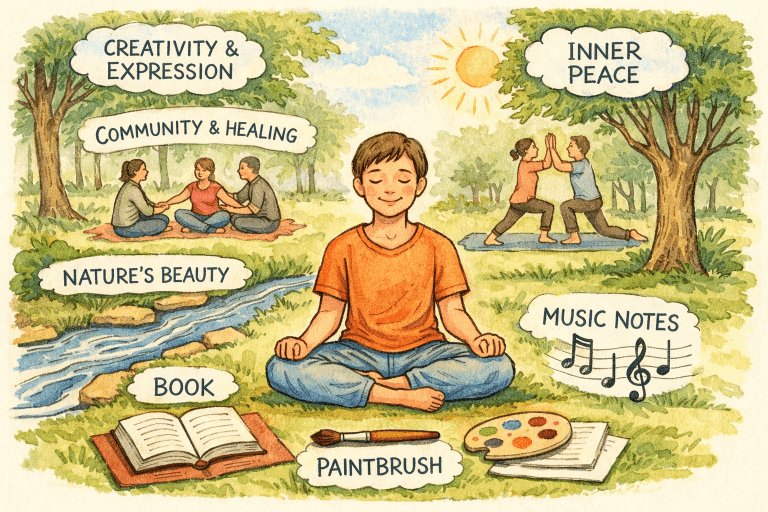
Participating in creative therapies offers expressive, nonverbal channels for processing complex emotions and experiences. Art therapy, music therapy, and dance therapy are common offerings that help people communicate feelings they might find difficult to express verbally. These outlets foster self-exploration, relieve stress, and build self-esteem. Engaging the mind and body in creative pursuits can unlock new sources of motivation and support deeper healing, especially when individuals struggle with trauma or powerful emotions.
Spirituality and Purpose
Spirituality and a sense of purpose can play major roles in recovery. Many individuals find hope and motivation by reconnecting with spiritual traditions, volunteering, or seeking out meaningful work. These experiences inspire a sense of fulfillment and connection, important factors in overcoming addiction. While spirituality is deeply personal and may vary greatly, its presence often helps people see beyond their past struggles and envision a brighter future.
Trauma-Informed Care
A large portion of those dealing with substance use disorders have experienced trauma. Trauma-informed care is a specialized approach that considers the impact of past trauma on current behavior. This means ensuring that all aspects of care, from therapy to group sessions, foster safety, trust, and empowerment. Such environments help reduce retraumatization and promote long-term healing, making them especially critical for those with a history of adverse experiences.
Community Support
Sustainable recovery is rarely achieved in isolation. Peer support groups and community networks are essential in creating accountability, offering encouragement, and reducing feelings of isolation. Organizations like SMART Recovery use a science-based approach, helping individuals find empowerment and self-reliance within a group setting. Building strong connections with peers, mentors, and facilitators fosters a sense of belonging that can help protect against relapse and establish healthy habits for lifelong success.
Technology-Assisted Recovery
Digital platforms are rapidly changing the landscape of recovery. Apps and online therapies offer accessible tools, personalized interventions, and opportunities for remote support. Technology can help individuals maintain consistent progress between in-person sessions, connect to virtual support groups, and track mental health milestones. As telehealth and digital therapeutics continue to expand, they provide additional resources to complement in-person holistic treatment strategies.
Conclusion
Holistic recovery is a multi-dimensional, evolving process that nurtures every part of a person’s wellbeing. Combining mindfulness, physical wellness, creative expression, community support, spiritual growth, trauma-informed care, and technology-assisted tools ensures a comprehensive and resilient foundation for recovery. By integrating these diverse and powerful resources, individuals are better equipped to manage challenges and embrace lasting change, leading to healthier, more fulfilling lives.