

What Makes a Surgical Environment Safe and Efficient

A safe and efficient surgical environment is essential for delivering high quality patient care. Each detail, from the equipment used to the teamwork within the operating room, contributes to a space where procedures can be completed with accuracy and confidence. As surgical methods evolve and patient expectations rise, hospitals must stay committed to creating environments that support precision, consistency, and well coordinated workflows. Many factors influence the strength of a surgical environment, and understanding these elements helps ensure that patients receive the best possible care while clinicians perform their work with the highest level of support.
The Importance of Strong Surgical Workflows
An effective surgical environment begins with workflows designed to support stability and clarity. Operating rooms handle a diverse range of procedures every day, each with different requirements and challenges. When workflows are consistent and clearly defined, surgical teams can move through each stage smoothly. Clear steps for preparation, equipment setup, communication, and patient monitoring ensure that surgeries proceed without unnecessary interruptions.
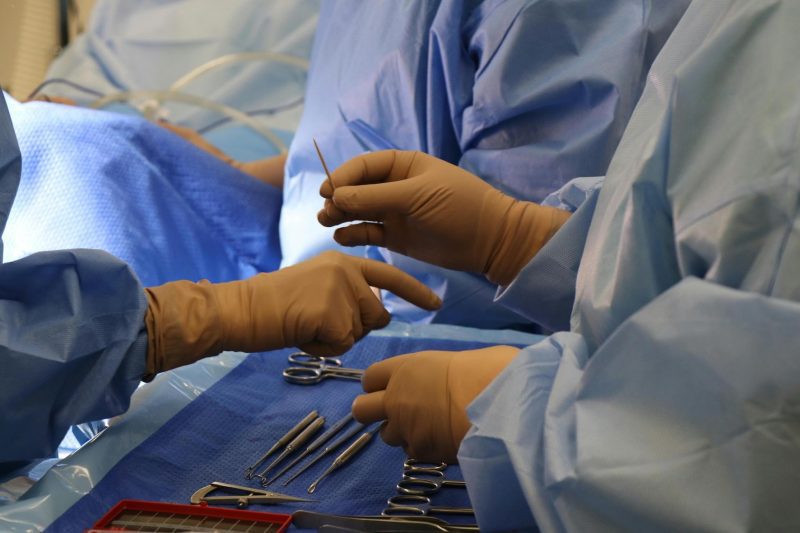
Strong workflows also reduce the risk of errors. When each team member knows their role and responsibilities, it becomes easier to maintain a focused and organized environment. Predictability plays a large role in patient safety, especially during complex procedures. Standardized workflows help ensure that every surgery follows proven guidelines and that clinicians have access to the tools and information they need at the right time.
Training is another essential part of maintaining effective workflows. Ongoing education helps surgeons, nurses, and support staff stay informed about new technologies, updated protocols, and improved best practices. With constant refinement and open communication, surgical teams remain well prepared to navigate unexpected challenges and maintain a high standard of performance.
The Role of Reliable Equipment in Surgical Safety
Reliable equipment is one of the most important factors in ensuring a safe and efficient surgical environment. Each tool used during a procedure must function as intended, supporting consistency and reducing the risk of complications. Surgical teams rely on equipment that provides stability, clear visibility, and dependable performance in every situation. This includes instruments used for tissue handling, bleeding control, imaging, and precision movement.
Advancements in engineering have helped create tools that offer improved durability, ergonomic design, and refined functionality. Modern devices are designed to support surgeons with enhanced control, reducing fatigue and improving accuracy. Companies like Baxter Advanced Surgery develop solutions that assist with difficult surgical challenges by providing tools built for consistency and predictability. Instruments that perform reliably empower surgical teams to stay focused on the patient rather than the equipment.
Communication and Team Collaboration
Strong communication within the surgical team is essential for maintaining a safe and efficient environment. Every procedure involves multiple clinicians, each with specialized skills and responsibilities. Effective communication ensures that everyone remains aligned throughout the process. Preoperative briefings allow the team to review the patient’s condition, potential concerns, and the steps planned for the procedure. These discussions help identify possible challenges and ensure that all team members understand their roles.
During surgery, real time communication keeps everyone informed of progress and changes that may occur. Surgeons rely on nurses, anesthesiologists, and technicians to provide updates and support at critical moments. A collaborative environment reduces confusion and encourages quick, accurate responses when unexpected situations arise, like those during rhinoplasty. After the procedure, debriefings help teams evaluate what went well and identify opportunities for improvement. This ongoing assessment strengthens the effectiveness of future procedures.
Technology’s Influence on Modern Surgical Environments
Advancements in technology continue to enhance the safety and efficiency of surgical environments. Imaging systems, digital planning tools, and robotic assistance give surgeons a more detailed view of patient anatomy and greater control during procedures. Real time data supports decision making and reduces uncertainty, helping clinicians anticipate challenges before they arise.
Digital platforms help streamline communication by giving surgical teams access to patient records, imaging results, and procedural updates. Intelligent systems provide alerts and reminders that support safety checks and help maintain organized workflows. Technology also assists with documentation, reducing the administrative burden on clinicians and allowing them to focus more on patient care.
Conclusion
A safe and efficient surgical environment is the result of careful planning, reliable equipment, strong communication, and modern technology. Each element works together to create conditions that support accuracy, reduce risk, and enhance patient outcomes. With dependable tools, well structured workflows, and a collaborative team approach, surgical environments become more predictable and effective. As technology continues to advance and clinical practices evolve, hospitals will remain focused on creating spaces that promote safety, stability, and confidence for both patients and surgical teams.