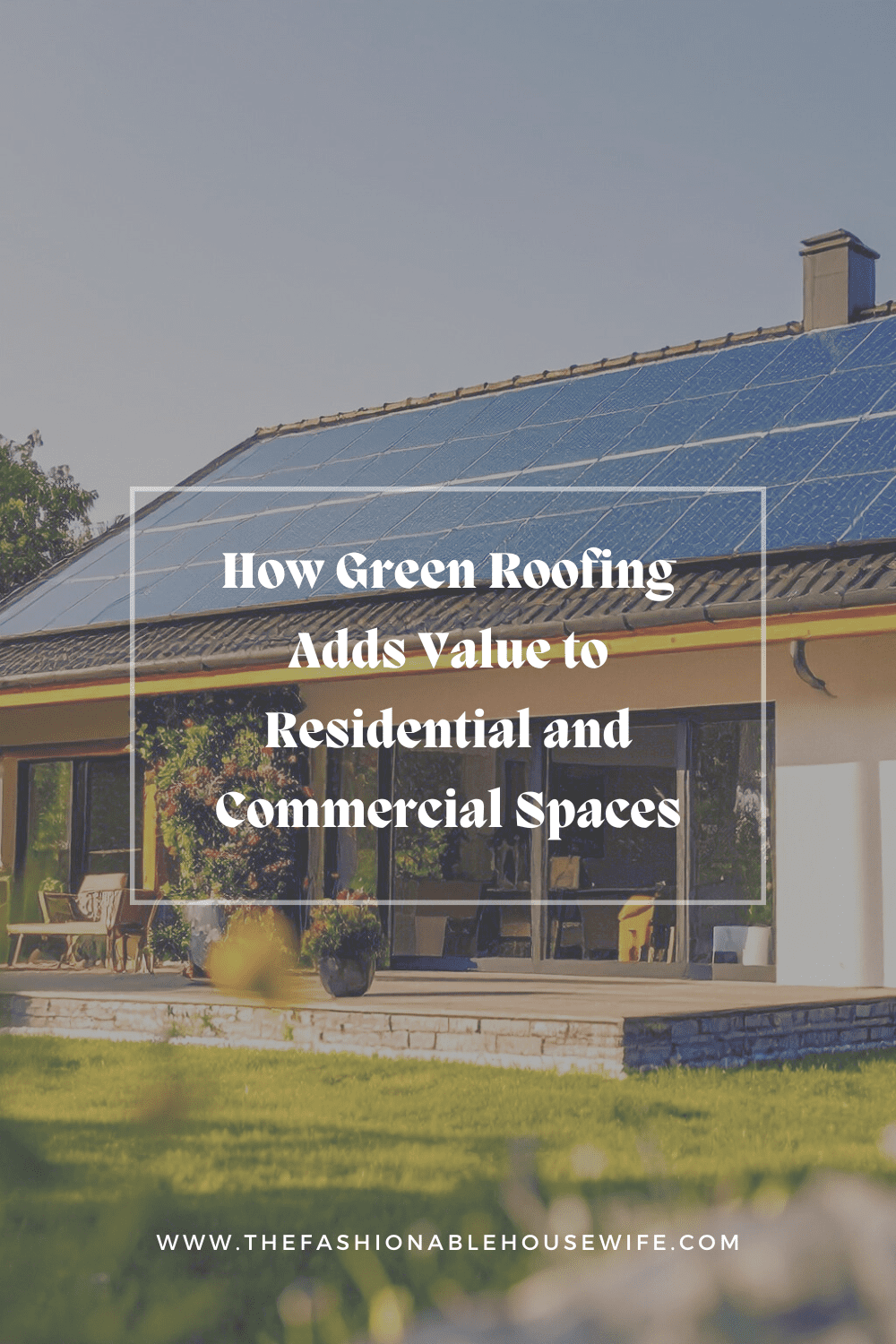
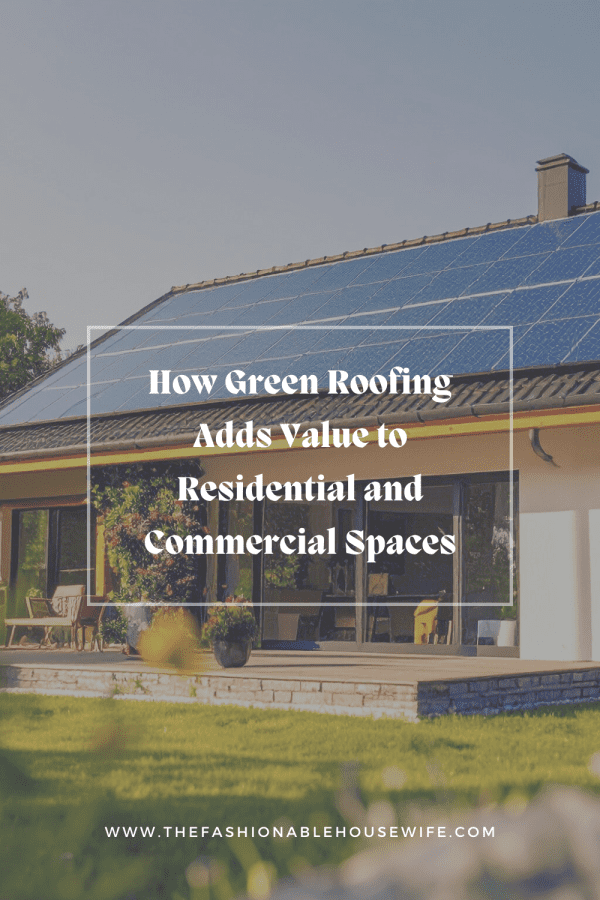
How Green Roofing Adds Value to Residential and Commercial Spaces
Key Takeaways
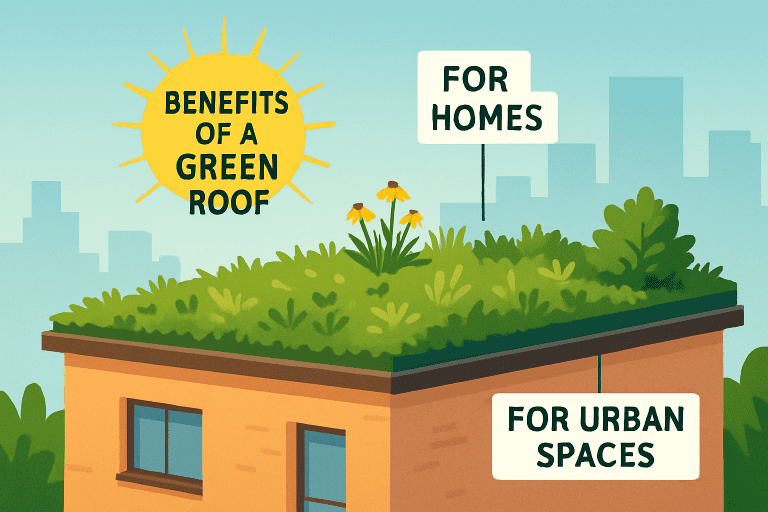
- Green roofs dramatically reduce energy consumption thanks to natural insulation properties.
- They shield roofing materials from the elements, often doubling the typical roof lifespan.
- Property values tend to rise as buyer interest in eco-friendly features increases.
- Green roofs are invaluable for urban stormwater management and flood risk reduction.
- They support wildlife habitats and help lower city temperatures, tackling the urban heat island effect.
Green roofs are rapidly becoming a hallmark of forward-thinking property development for both homes and businesses. Instead of relying solely on traditional roofing, more property owners are choosing to integrate rooftop vegetation for economic and environmental reasons. Not only are green roofs attractive and modern, but they also offer a suite of compelling advantages for property owners looking to increase the value, comfort, and sustainability of their spaces. For those exploring green roofing as a service option, SBR Roofing provides professional solutions tailored to various building types and environmental goals.
By embracing the benefits of green roofs, property owners can influence their bottom line and help the environment at the same time. Green roofs are effective at improving energy efficiency, lessening the strain on urban drainage systems, and fostering increased biodiversity in city settings. These features create a desirable package that appeals not only to those hoping to save on operational expenses but also to environmentally conscious buyers and tenants.
Energy Efficiency and Cost Savings
Green roofs function as highly effective insulating layers, keeping the building warm in winter and cool in the scorching summer months. During hot periods, the plant layer and growing medium can decrease indoor temperatures by up to 10 degrees Fahrenheit. Cooler interiors mean less reliance on air conditioning, resulting in lower monthly energy bills for both homeowners and commercial facilities. In colder months, the green roof acts as an extra shield, reducing heat loss and, in turn, heating costs. According to research cited by the U.S. Environmental Protection Agency, buildings with green roofs can save between 15% and 25% annually on energy expenses.
Extended Roof Lifespan
Ultraviolet rays, fluctuating temperatures, and harsh weather can significantly age conventional roofing materials, sometimes shortening their lifespan. Green roofs help buffer these stressors, protecting the underlying waterproofing membrane and reducing wear on it. By minimizing direct exposure to the elements, green roofing systems can often double the usable life of roof materials. For commercial properties, this can result in significant capital savings by deferring roof replacement for decades.
Increased Property Value
Eco-friendly improvements are now sought after in the real estate market. Buildings with green roofs often command a premium from buyers and tenants eager to live or work in sustainable environments. Studies have shown that green-certified properties can command noticeably higher market values and rental returns than their non-green counterparts. Improvements in thermal comfort, energy efficiency, and building aesthetics amplify the desirability of these properties, thereby driving up both sales prices and rental demand. According to the U.S. General Services Administration, developers are seeing an uptick in occupancy rates and investment interest for green-roofed properties in cities.
Stormwater Management
Urbanization places immense pressure on city drainage systems, especially during periods of heavy rainfall. Traditional roofs channel most of the rainwater directly into sewers, which can overwhelm water management systems and contribute to flooding. Green roofs, in contrast, absorb and retain substantial volumes of rainwater. They can capture 70% to 90% of precipitation during summer and up to 40% in the winter, slowing runoff and reducing the risk of urban flooding. This capability also lowers the building’s contribution to water pollution and sedimentation, supporting both property and community resilience against climate change events.
Environmental Benefits
Green roofs are key players in improving urban air quality and supporting biodiversity. Vegetation on rooftops captures particulate matter, absorbs carbon dioxide, and releases oxygen, actively purifying the surrounding air. A typical green roof can filter up to 40 pounds of particulate matter from the air annually, which is especially beneficial in densely populated city centers. These roofs also provide a much-needed refuge for birds, butterflies, and other pollinators, helping to restore local wildlife populations that are often displaced by urban development. According to the U.S. Environmental Protection Agency, green roofs can play a significant role in cooling city microclimates and reducing the overall urban heat island effect, promoting healthier living conditions for city dwellers.
Considerations Before Installation
Before adding a metal roof, it’s imperative to ensure that a building can support the additional weight and irrigation systems required. Consulting with structural engineers and roofing specialists will help determine if an extensive (lighter, low-maintenance) or intensive (heavier, garden-like) green roof system best fits your property. These experts can also anticipate challenges related to root management, accessibility, and local building codes.
Conclusion
Adopting a green roof is a wise investment for property owners seeking to maximize value and future-proof their investments. The multiple benefits, energy savings, a longer-lasting roof, higher property value, reduced stormwater runoff, and environmental improvements demonstrate the growing importance of sustainable design in both the residential and commercial sectors. As our urban landscapes evolve, green roofs will remain instrumental in fostering healthier, more attractive environments and stronger, more resilient communities.