A Guide to Modern Addiction Treatment and Mental Health Recovery
Introduction: The Intertwined Nature of Addiction and Mental Health
Many people struggle with addiction and mental health challenges at the same time. These issues often go hand-in-hand. When left untreated, they can deeply affect our lives and the lives of those we love. But there is hope, and effective help is available.
This extensive guide will explore modern approaches to addiction treatment and mental health recovery. We will show you the different types of care available and look at proven therapies. Our goal is to help you understand how to find the right support, especially for those seeking mental health help in East Tennessee.
We will also discuss the importance of integrated care, which treats both conditions together. This guide is for anyone ready to start their path to healing.
The Spectrum of Care: Levels of Treatment
When starting on the journey of mental health and addiction recovery, understanding the various levels of care available is crucial. Treatment is rarely a one-size-fits-all solution; instead, it’s a continuum designed to meet individual needs at different stages of their recovery. This spectrum ensures that individuals receive the most appropriate and effective support, adapting as their needs evolve.
The initial step for many experiencing severe substance dependence is often medical detox. This medically supervised process manages withdrawal symptoms, ensuring safety and comfort as the body rids itself of toxins. Following detox, or as a starting point for those not requiring immediate medical stabilization, residential treatment offers a highly structured and immersive environment. In this setting, individuals live at the facility, engaging in intensive therapy, education, and support groups around the clock. It provides a safe space away from triggers and daily stressors, allowing for deep focus on healing.
For those who need significant structure but can live at home or in a sober living environment, Partial Hospitalization Programs (PHP) offer a step down from residential care. Participants attend therapy for several hours a day, typically five days a week, returning home in the evenings. This level of care provides a robust therapeutic schedule while allowing individuals to begin reintegrating into their daily lives.
Intensive Outpatient Programs (IOP) represent the next step in the continuum. IOPs offer fewer hours of therapy per week than PHP, usually a few hours a day, three to five days a week. This flexibility allows individuals to maintain work, school, or family commitments while still receiving comprehensive support. It’s an excellent option for those transitioning from higher levels of care or for individuals whose mental health or substance use challenges are less severe but still require significant intervention.
Finally, standard outpatient services provide the most flexible level of care, consisting of weekly or bi-weekly therapy sessions, medication management, and support groups. This level is ideal for individuals who have achieved stability and are focused on maintaining their recovery, developing coping skills, and managing ongoing life stressors.
The concept of a continuum of care is vital because it acknowledges that recovery is a dynamic process. Individuals may move up or down the levels of care based on their progress, challenges, and evolving needs. This adaptive approach ensures that support is always custom, maximizing the chances of sustained well-being.

Understanding Addiction Recovery Treatment Programs
Effective addiction recovery and mental health treatment programs begin with a professional assessment. This comprehensive evaluation helps clinicians understand an individual’s unique history, the severity of their conditions, co-occurring disorders, and personal circumstances. Based on this assessment, an individualized treatment plan is developed, focusing on the person’s specific individual needs and goals.
The journey often involves transitioning between levels of care, which is a carefully managed process. For example, moving from residential treatment to a PHP or IOP allows individuals to gradually re-engage with their daily lives while still benefiting from structured support. This phased approach helps build resilience and practical coping skills in real-world settings.
A critical component of any successful program is aftercare planning. This begins early in treatment and involves creating a roadmap for continued support post-discharge. Aftercare plans might include ongoing therapy, support group attendance, sober living arrangements, vocational training, or educational pursuits. The goal is to equip individuals with the tools and resources necessary to maintain their recovery and thrive long-term.
The Role of Accreditation in Quality Care
When seeking mental health and addiction services, understanding the importance of accreditation is paramount. Accreditation signifies that a program or facility meets rigorous national standards for quality, safety, and ethical practice. It provides an assurance of excellence and a commitment to continuous improvement.
Two prominent accreditation bodies in the behavioral health field are CARF International and The Joint Commission (JCAHO). CARF International accreditation, for instance, demonstrates a program’s quality, transparency, and dedication to the satisfaction of the persons served. Similarly, The Joint Commission’s Gold Seal of Approval is a widely recognized symbol of quality and patient safety.
These accreditations ensure that providers adhere to best practices, employ qualified staff, and offer evidence-based treatments. They also promote transparency in services and outcomes, giving individuals and their families confidence in the care they receive. Accreditation serves as a safeguard, helping us identify reputable and effective programs that prioritize patient well-being and deliver high-quality care.
Level of Care Time Commitment Living Situation Intensity of Care Inpatient/Residential 24/7 supervision, typically 30-90+ days Live at facility Highest: Medical detox, intensive therapy, structured environment Partial Hospitalization (PHP) Several hours/day, 5 days/week Live at home or sober living, commute to facility High: Daily therapy, group sessions, some independence Intensive Outpatient (IOP) A few hours/day, 3-5 days/week Live at home, commute to facility Moderate: Regular therapy, flexible for work/school Standard Outpatient Weekly or bi-weekly sessions Live at home, commute for appointments Lowest: Ongoing support, maintenance, medication management

Evidence-Based Therapies in Modern Treatment
Modern mental health and addiction treatment heavily relies on evidence-based therapies—interventions that have been rigorously tested and proven effective through scientific research. These therapies form the cornerstone of effective recovery programs, providing individuals with practical tools and strategies to manage their conditions and build healthier lives.
Among the most widely used is Cognitive Behavioral Therapy (CBT). CBT helps individuals identify and challenge negative thought patterns and behaviors that contribute to their mental health struggles or substance use. By reframing these thoughts and developing healthier coping mechanisms, individuals can change their emotional responses and actions.
Dialectical Behavior Therapy (DBT), an offshoot of CBT, is particularly effective for individuals struggling with intense emotions, self-harm, or chronic suicidal ideation. DBT focuses on four key areas: mindfulness, distress tolerance, emotion regulation, and interpersonal effectiveness, helping individuals build skills to manage difficult situations and relationships.
Eye Movement Desensitization and Reprocessing (EMDR) is a powerful therapy used to treat trauma and PTSD. It involves guiding individuals through specific eye movements or other bilateral stimulation while they recall distressing memories. This process helps to reprocess traumatic experiences, reducing their emotional impact.
Experiential therapy incorporates activities like adventure-based counseling, art, music, or drama to help individuals explore emotions, build self-awareness, and develop coping skills in a non-traditional, engaging way. It allows for deeper processing of issues that might be difficult to articulate verbally.
Beyond these, many programs integrate holistic approaches that address the whole person—mind, body, and spirit. These can complement traditional talk therapies by promoting overall well-being.
Individual and Group Therapy Approaches
At the heart of most treatment programs are individual counseling and group therapy. Individual sessions provide a confidential space for one-on-one work with a therapist, allowing for personalized exploration of issues, development of coping strategies, and processing of emotions. This custom attention is crucial for addressing deep-seated concerns.
Group therapy offers unique benefits, fostering a sense of community and shared experience. Participants learn from others, practice new social skills, and receive feedback in a supportive environment. It helps reduce feelings of isolation and provides a platform for peer support, which is a powerful component of recovery.
Peer support networks, often facilitated through group settings or dedicated programs, connect individuals with others who have lived experience with mental health conditions or addiction. These connections offer empathy, understanding, and practical advice, reinforcing the idea that recovery is possible.
Family therapy is often an integral part of treatment, especially when addiction or mental health issues impact family dynamics. It helps family members understand the condition, improve communication, set healthy boundaries, and heal relationships, creating a more supportive home environment for recovery.
Innovative and Holistic Therapies
Beyond traditional talk therapy, many modern treatment centers incorporate innovative and holistic approaches to improve the healing process. These therapies aim to treat the whole person, recognizing the interconnectedness of mind, body, and spirit.
Equine therapy involves interaction with horses, guided by a mental health professional. This unique experience can help individuals develop trust, communication skills, emotional regulation, and self-awareness in a non-threatening environment. The natural sensitivity of horses often mirrors human emotions, providing immediate feedback and opportunities for growth.
Creative arts therapy, including art, music, and drama therapy, offers alternative avenues for self-expression and emotional processing. For those who struggle to verbalize their experiences, these modalities can open up profound insights and facilitate healing. Engaging in creative activities can also reduce stress and foster a sense of accomplishment.
Mindfulness practices, such as meditation and mindful breathing, teach individuals to be present, observe their thoughts and feelings without judgment, and cultivate a sense of calm. These techniques are invaluable for managing stress, anxiety, and cravings, promoting greater self-awareness and emotional resilience.
Nature-based experiences, such as hiking, gardening, or simply spending time outdoors, leverage the therapeutic power of the natural world. Research suggests that connecting with nature can reduce symptoms of depression and anxiety, improve mood, and improve overall well-being. Many facilities in East Tennessee, with its beautiful Smoky Mountains, are uniquely positioned to offer such experiences.
These diverse therapies contribute to a comprehensive approach, addressing the mind-body-spirit connection and empowering individuals with a broader toolkit for sustainable recovery.
Addressing Co-Occurring Disorders: An Integrated Approach
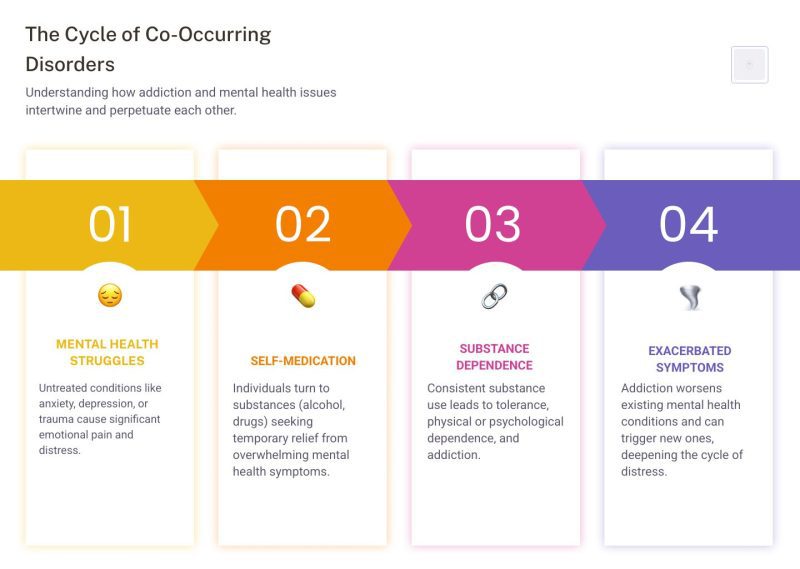
The presence of co-occurring disorders, also known as dual diagnosis, is common in mental health and addiction treatment. This refers to individuals experiencing both a mental health condition and a substance use disorder simultaneously. The relationship between these conditions is often complex, with one potentially exacerbating or even leading to the other. Effective treatment must address both concurrently to achieve lasting recovery.
For example, individuals struggling with anxiety and addiction often find themselves in a vicious cycle. Anxiety symptoms can lead to self-medication with substances, which in turn can worsen anxiety or create new anxieties related to substance use. Similarly, depression and addiction frequently coexist. Depression can make individuals more vulnerable to substance use as a way to escape painful feelings, while substance abuse can deepen depressive states.
Bipolar disorder and substance use present another significant challenge. The extreme mood swings characteristic of bipolar disorder—from manic highs to depressive lows—can drive individuals to seek substances to stabilize their mood or improve euphoria. This impulsivity during manic phases can also increase the risk of substance abuse.
Finally, PTSD and self-medication are closely linked. People who have experienced trauma often use substances to numb the distressing memories, flashbacks, and hyper-arousal associated with PTSD. While substances may offer temporary relief, they ultimately hinder the processing of trauma and can lead to dependence.
Why Integrated Addiction Recovery Treatment is Crucial
For individuals with co-occurring disorders, integrated treatment is not just beneficial—it is crucial. This approach means treating both conditions simultaneously rather than sequentially. Historically, individuals might have been required to address their substance use before their mental health, or vice versa, often leading to incomplete recovery and high rates of relapse.
Integrated care recognizes that these conditions are intertwined and influence each other. By addressing them together, treatment can target the underlying issues that contribute to both disorders. This comprehensive strategy leads to better outcomes, including reduced substance use, improved mental health symptoms, and improved overall functioning.
An integrated approach helps in relapse prevention by equipping individuals with coping mechanisms that address both their mental health triggers and their substance cravings. It digs into the underlying issues that may have contributed to the development of both conditions, such as trauma, grief, or chronic stress. This holistic and coordinated care significantly increases the likelihood of long-term success in recovery.
Specialized Programs for Dual Diagnosis
Recognizing the complexity of co-occurring disorders, many treatment providers offer specialized programs for dual diagnosis. These programs are designed with custom treatment plans that cater to the unique interplay of mental health and substance use challenges. They often include a blend of therapeutic modalities, medication management, and supportive services.
A key component of these programs is access to psychiatric services, including evaluation, diagnosis, and ongoing medication management. Psychiatrists and psychiatric nurse practitioners can prescribe and monitor medications that help stabilize mood, reduce anxiety, or address other mental health symptoms, which can be vital for individuals in recovery from substance use.
Furthermore, these programs are typically co-occurring competent, meaning that all staff members are trained to understand and address both mental health and substance use issues. This ensures a consistent and informed approach to care, where no aspect of an individual’s condition is overlooked. The goal is to provide a seamless and comprehensive treatment experience that supports healing on all fronts.
Finding the Right Help: Navigating Local and Specialized Services
Navigating the landscape of mental health and addiction services can feel overwhelming, but numerous resources are available to help individuals and families find the right support. State-level initiatives, non-profit organizations, and community-based programs form a vital safety net.
The Tennessee Department of Mental Health and Substance Abuse Services (TDMHSAS) is a primary resource, administering and supporting a diverse array of services for individuals of all ages living with mental illness, co-occurring disorders, or serious emotional disturbances. They oversee community-based programs and support services, including housing, crisis intervention, suicide prevention, and peer recovery services.
Non-profit organizations like NAMI (National Alliance on Mental Illness) play a crucial role. NAMI Tennessee and local chapters like NAMI Knoxville are grassroots organizations dedicated to improving the quality of life for people with mental illness and their families through support, education, and advocacy. They offer free mental health support, online groups, resources, and education, emphasizing that “You Are Not Alone.”
For immediate assistance during a crisis, national and local crisis support hotlines are available. The national 988 Suicide & Crisis Lifeline provides 24/7 confidential support for anyone experiencing a mental health crisis. In East Tennessee, local crisis lines and walk-in clinics, such as those offered by the McNabb Center, provide immediate access to help.
Community resources are also abundant. Organizations like the Mental Health Association of East Tennessee offer educational presentations and connect individuals to services. For instance, those seeking help in specific regions can find comprehensive guides, like the resources for Kingdom mental health East Tennessee, which list local providers and support systems. These local resources are invaluable for finding custom support close to home.
Here are steps to find a qualified provider:
- Identify Your Needs: Determine the type of help you need (e.g., therapy, medication, detox, dual diagnosis).
- Consult Your Doctor: Your primary care physician can offer referrals and initial guidance.
- Use Online Directories: Websites like Psychology Today, SAMHSA’s National Helpline, or NAMI’s resource finder can help locate providers.
- Check Accreditation: Look for facilities accredited by CARF or The Joint Commission for quality assurance.
- Verify Insurance: Contact your insurance provider to understand coverage and in-network options.
- Ask Questions: Don’t hesitate to inquire about a provider’s experience, treatment philosophy, and success rates.
Support for Specific Populations
Mental health and addiction challenges can affect anyone, but certain populations face unique circumstances that require specialized support. Recognizing these distinct needs, many providers in East Tennessee offer custom programs.
Veterans programs address the specific mental health concerns often experienced by service members, such as PTSD, moral injury, and substance use disorders related to combat exposure or military life. These programs often integrate trauma-informed care and peer support from fellow veterans.
Adolescent services are designed for children and teenagers, understanding that their developmental stage impacts how mental health conditions manifest and how treatment is most effectively delivered. These services might include family therapy, school-based interventions, and age-appropriate individual and group counseling. East Tennessee Behavioral Health, for example, offers inpatient treatment for individuals aged 13 and older.
Perinatal mental health support focuses on the unique emotional and psychological challenges faced by individuals during pregnancy and after childbirth, including postpartum depression and anxiety. Programs like “Rooted Connections” in East Tennessee provide specialized care for expectant and new parents.
Furthermore, many facilities are committed to providing LGBTQIA+ inclusive care, ensuring that individuals from these communities receive culturally competent and affirming treatment that addresses their specific experiences and challenges without judgment. Providers like East Tennessee Behavioral Health actively promote an LGBTQIA+ inclusive environment.
Understanding Insurance and Payment Options
Accessing mental health and addiction treatment often involves navigating insurance and payment options. It’s important to understand your rights and available resources.
The Mental Health Parity and Addiction Equity Act (MHPAEA), often referred to Mental Health Parity, is a federal law that requires most health insurance plans to provide mental health and substance use disorder benefits that are no more restrictive than medical and surgical benefits. This means that co-pays, deductibles, and treatment limits for mental health care should be comparable to those for physical health care. NAMI Tennessee actively advocates for mental health parity to ensure fair insurance coverage.
Before starting treatment, conduct insurance verification. Many treatment centers offer free insurance verification services to help you understand your benefits, coverage limits, and out-of-pocket costs. This step can prevent unexpected financial burdens.
For those without insurance or with limited coverage, state-funded programs and grants administered by organizations like the TDMHSAS can provide financial assistance or direct services. These programs aim to ensure that essential care is accessible regardless of an individual’s ability to pay.
Additionally, some providers offer sliding scale fees, where the cost of services is adjusted based on an individual’s income and financial situation. This makes therapy and other treatments more affordable for those with lower incomes. Don’t hesitate to ask providers about all available payment options.
Frequently Asked Questions about Addiction Recovery Treatment
What is the first step to getting help for addiction and mental health issues?
The very first step is often acknowledging that you need help. This can be a significant hurdle, but once cleared, the path to recovery begins. After this internal recognition, we recommend a self-assessment of your situation, perhaps noting specific symptoms or behaviors. The next crucial step is reaching out to a professional or a trusted individual. This could involve contacting a mental health helpline, speaking with a primary care doctor, or reaching out to a therapist or counselor. A primary care doctor can often provide initial screenings, referrals to specialists, and guidance on navigating the healthcare system. You don’t have to face this alone.
How are co-occurring disorders treated effectively?
Effective treatment for co-occurring disorders relies on an integrated treatment model. This means that both the mental health condition and the substance use disorder are addressed simultaneously, rather than treating one after the other. This approach acknowledges the complex interplay between the two conditions. It involves a simultaneous care plan where mental health professionals and addiction specialists work together, often within the same program or facility. This collaboration between medical and mental health professionals ensures that all aspects of an individual’s well-being are considered, leading to more comprehensive and sustainable recovery. The treatment is highly individualized, focusing on understanding how each condition impacts the other and developing coping strategies that address both.
What is the difference between inpatient and outpatient treatment?
The primary difference between inpatient (residential) and outpatient treatment lies in the living situation and the intensity of care. In inpatient treatment, individuals reside at the treatment facility 24/7, receiving round-the-clock medical and therapeutic support. This offers the highest intensity of care and level of supervision, providing a structured environment away from daily stressors and triggers. It is ideal for those requiring medical detox, experiencing severe symptoms, or needing a complete break from their environment.
In contrast, outpatient treatment allows individuals to continue living at home while attending scheduled therapy sessions and programs at a facility. The intensity of care is lower than inpatient, ranging from Partial Hospitalization Programs (PHP) and Intensive Outpatient Programs (IOP) to standard weekly therapy. Outpatient options offer greater flexibility, allowing individuals to maintain work, school, or family commitments. The ideal candidate for each depends on the severity of their condition, their support system, and their ability to manage triggers in their daily life.
Conclusion: The Path Forward to Lasting Recovery
The journey to mental health and addiction recovery is deeply personal, yet it is a journey no one should undertake alone. We’ve explored the diverse landscape of care, from the structured intensity of residential programs to the flexible support of outpatient services, all underpinned by evidence-based therapies and a commitment to integrated care for co-occurring disorders.
There is always hope for recovery, and with the right resources and support, lasting healing is within reach. The importance of support systems—whether from family, friends, peer groups, or dedicated professionals—cannot be overstated. Recovery is often a lifelong journey, marked by continuous growth, learning, and resilience.
Seeking mental health help in East Tennessee, or anywhere, is a profound act of courage and self-care. It is a sign of strength, not weakness, to reach out and ask for assistance. We believe in the power of comprehensive, compassionate care to foster empowerment and guide individuals toward a healthier, more fulfilling life.
If you or a loved one are struggling, resources are available, and a path forward awaits. Take that courageous first step.