

Eco-Friendly Event Planning in Tropical Destinations

Key Takeaways
- Choose venues with green certifications to ensure sustainable practices.
- Opt for locally sourced, plant-based catering to reduce carbon footprint.
- Implement zero-waste strategies to minimize environmental impact.
- Utilize digital invitations and signage to reduce paper waste.
- Incorporate eco-friendly décor and reusable materials.
- Make sure you research term life insurance cost before traveling.
Table of Contents
- Choosing Sustainable Venues
- Eco-Friendly Catering Options
- Zero-Waste Event Strategies
- Digital Invitations and Signage
- Sustainable Décor and Materials
- Engaging Local Communities
- Carbon Offset Programs
- Monitoring and Reporting Sustainability Efforts
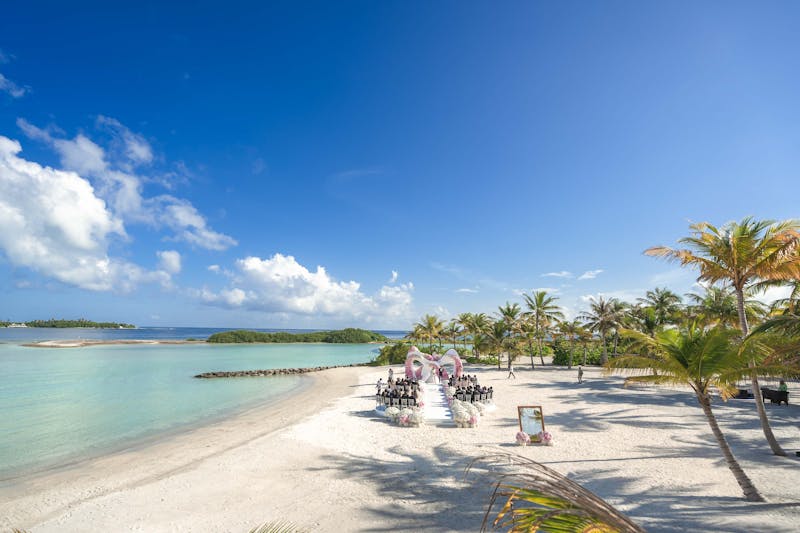
Planning events in tropical destinations offers a unique opportunity to weave sustainability into unforgettable experiences. Whether coordinating a wedding, corporate retreat, or festival, being mindful of your environmental impact helps preserve the allure of these stunning locations. From green venues to waste reduction, making conscious choices reflects respect for the lush landscapes and the communities you are inviting your guests to enjoy. Partnering with a destination management company Hawaii can help ensure that every aspect of your event is both seamless and eco-conscious.
Sustainable event planning is no longer just a trend; it’s an expectation among increasingly climate-aware attendees. Going green does not diminish luxury or enjoyment; instead, it showcases modern responsibility and amplifies the uniqueness of tropical surroundings. Embracing planet-friendly approaches matches the spirit of these natural paradises while supporting local economies and habitats.
By emphasizing thoughtful sourcing, efficiency, and community collaboration, your event can both reduce its carbon footprint and serve as a model for future gatherings. Early decisions about catering, décor, and communication determine not only the environmental legacy of your event but also elevate guest satisfaction by aligning with values important to participants today. Sustainable planning in tropical destinations offers benefits that last far beyond the event itself.
Making your celebration sustainable means prioritizing choices that support natural conservation, reduce waste, and enhance relationships with local partners. Start by considering venues with strong environmental credentials and build an experience that pays tribute to the host destination’s beauty and ecological significance.
Choosing Sustainable Venues
Selecting a venue plays the largest role in setting your event’s eco-friendly tone. Venues with environmental certifications are more likely to implement efficient energy use, water conservation, and waste reduction practices. For example, the Novotel Cairns Oasis Resort in Australia has earned Ecotourism Australia’s Sustainable Tourism Certification, representing its leadership in sustainable hospitality. Exploring options that invest in on-site renewable energy, locally sourced amenities, and conservation can help ensure your celebration aligns with your green values.
Eco-Friendly Catering Options
Food and beverage choices are central to event sustainability. Choosing locally sourced, organic ingredients supports regional growers and reduces transportation-related emissions. Increasingly, tropical events are celebrating plant-based menus as the standard for reducing carbon output and minimizing reliance on resource-intensive ingredients. Finding a vegan or vegetarian catering company supports both health and the environment and can set your event apart as a model for conscious hospitality. Some international festivals have adopted entirely plant-based menus, drastically lowering their environmental footprints.
Zero-Waste Event Strategies
Managing waste is a direct way to reduce negative environmental impacts in fragile ecosystems. Zero-waste strategies usually include installing visible recycling stations, providing on-site composting, and eliminating single-use plastics. For instance, the National Youth Festival achieved a 90 percent waste diversion rate, thanks to robust composting and recycling. Training staff, installing signage for guests, and using only biodegradable servingware are simple, actionable steps toward zero-landfill events. These efforts also educate and empower attendees, helping them consider their own waste habits long after the event ends.
Digital Invitations and Signage
Digitizing all communications, from invitations to event schedules and signage, meaningfully reduces paper and printing waste. Using responsive email, dedicated event websites, and mobile event apps enhances efficiency, making updates and engagement easy for both organizers and guests. Digital communications encourage interactivity and reinforce your event’s sustainable message through a modern, connected, eco-friendly app, providing features such as real-time schedules, maps, and eco-feedback that further strengthen the guest experience.
Sustainable Décor and Materials
Décor choices offer many opportunities to support sustainability while still achieving beautiful, unique visuals. Select natural or reusable items, such as potted local plants, fresh-cut foliage, or wood features, in place of single-use decorations. Renting items and using compostable tableware reduces both your spending and your waste stream. Design trends now favor fabrics and materials that can serve multiple lives, adding versatility and minimizing impact. These practices make creative use of the breathtaking colors and textures found in tropical destinations.
Engaging Local Communities
Delivering direct benefits to the host community sets sustainable tropical events apart. Work with local artisans, chefs, musicians, and event staff to foster authentic engagement while supporting jobs and local development. Incorporating regional cultural elements not only enhances your event’s story but also introduces guests to the destination’s traditions and values. Strengthening community involvement often results in memorable, meaningful experiences that enrich your event’s purpose and legacy.
Carbon Offset Programs
While reducing your event’s footprint is a priority, some emissions are unavoidable, especially those related to travel. Participating in certified carbon offset initiatives compensates for these effects by funding projects such as forest conservation, renewable energy, or community clean energy. In Thailand, for example, event organizers and couples are now including carbon offset contributions as part of their celebration packages. These efforts help balance the environmental ledger and fund important local ecological projects.
Monitoring and Reporting Sustainability Efforts
Transparency not only inspires trust but also encourages greater participation and enthusiasm for your sustainability efforts. Sharing data on waste diversion, energy consumption, and water use, especially if tracked and displayed in real time, can motivate attendees to join in and help meet targets. Highlighting your achievements through event communications or signage also brings awareness to the tangible benefits of sustainable event planning. Events such as the Rainforest World Music Festival in Malaysian Borneo report their waste diversion metrics to guests, demonstrating organizational commitment and engaging visitors in a shared mission.
Intentional, eco-friendly planning creates celebrations that honor both the beauty and well-being of tropical destinations. By embedding sustainable choices throughout the event planning cycle, you create memorable experiences that protect paradise for generations to come.