
Exploring the World of Non-Invasive Cosmetic Treatments
Many of us want to look our best. We dream of a refreshed and youthful appearance. For a long time, achieving this often meant undergoing surgical procedures. But today, cosmetic treatments has dramatically changed.
The good news is that we now have amazing options that don’t involve a scalpel. These are known as non-invasive cosmetic treatments. They offer powerful ways to refresh our look with little to no downtime. This makes them increasingly popular choices for many people. In fact, in 2020 alone, providers performed over 13 million minimally invasive cosmetic procedures in the U.S., with the majority focusing on facial aesthetics, such as botulinum toxin, dermal fillers, and laser skin resurfacing. This surge in demand reflects a broader trend towards self-care and investing in one’s appearance, a sentiment echoed by the American Society of Plastic Surgeons (ASPS) in their consumer data releases.
In this extensive guide, we will explore the exciting world of non-invasive cosmetic treatments. We’ll cover everything from popular injectables and advanced skin resurfacing techniques to energy-based devices for skin tightening. We will discuss their benefits, how they work, and what to realistically expect. Our goal is to provide clear, unbiased information so you can make informed decisions about your aesthetic journey.
The field of non-invasive aesthetics is vast, with treatments designed to address a wide range of concerns, from fine lines and volume loss to skin texture and tone. These procedures are defined by their ability to achieve results without breaking the skin’s surface or requiring only minimal punctures, differentiating them significantly from surgical interventions that involve incisions, general anesthesia, and often an overnight hospital stay. Non-invasive treatments aim to refresh, firm, or plump the skin temporarily, without the dramatic, permanent changes or extensive recovery associated with surgery.
Injectables: Smoothing Wrinkles and Restoring Volume
Injectables are among the most popular non-invasive cosmetic treatments, offering effective solutions for dynamic wrinkles, volume loss, and facial contouring. They work by either relaxing facial muscles or adding substance beneath the skin.
Neurotoxins (Botulinum Toxin Type A): Brands like Botox®, Dysport®, Xeomin®, and Daxxify® fall into this category. These treatments work by temporarily blocking nerve signals to specific facial muscles, reducing their activity. This in turn smooths out “dynamic wrinkles” – those lines that form from repetitive facial expressions, such as frown lines between the brows, forehead creases, and crow’s feet around the eyes. The effects typically last between three to six months. The popularity of these treatments is undeniable, with the 40-59 age group being the largest demographic, receiving millions of injections annually. Beyond traditional facial rejuvenation, innovative applications are also emerging, such as the use of Non-invasive Botox for scalp treatments, which can address concerns like excessive sweating or even hair thinning, showcasing the versatility of these compounds.
Dermal Fillers: These injectables are designed to restore lost volume, smooth static wrinkles (lines present even when the face is at rest), and improve facial contours. The most common type are hyaluronic acid (HA) fillers (e.g., Restylane®, Juvéderm®), which use a natural substance found in the body to attract and retain water, instantly plumping the skin. Other types include:
- Calcium Hydroxylapatite (CaHA) fillers (e.g., Radiesse®): These stimulate natural collagen production and can last longer than HA fillers, often around 18 months.
- Poly-L-lactic Acid (PLLA) fillers (e.g., Sculptra®): Known as “collagen stimulators,” these work gradually over several weeks to stimulate the body’s own collagen production, with results lasting up to two years.
- Polymethylmethacrylate (PMMA) fillers (e.g., Bellafill®): These contain tiny microspheres that provide long-lasting support and stimulate collagen, offering more permanent results.
Dermal fillers are frequently used for lip improvement, cheek contouring, filling nasolabial folds (lines from nose to mouth), and addressing under-eye hollows. The FDA provides comprehensive information on FDA-Approved Dermal Fillers, detailing their materials, approved uses, and typical longevity.

Skin Resurfacing: Achieving a Radiant Complexion
Skin resurfacing techniques aim to improve the skin’s texture, tone, and overall appearance by removing damaged outer layers or stimulating regeneration.
Laser Treatments: Laser skin resurfacing uses focused light energy to improve various skin concerns, from fine lines and wrinkles to sun damage, scars, and pigmentation issues.
- Ablative Lasers (e.g., CO2, Erbium): These remove the outermost layers of skin, creating a controlled wound that prompts significant collagen remodeling and new skin growth. They offer dramatic results but come with more downtime.
- Non-Ablative Lasers: These heat the underlying skin tissue without damaging the surface, stimulating collagen production with less downtime.
- Fractional Technology: Both ablative and non-ablative lasers can be fractional, meaning they treat only a fraction of the skin at a time, creating microscopic columns of injury while leaving surrounding tissue intact. This allows for faster healing and reduced risk. As detailed by the Cleveland Clinic, laser skin resurfacing effectively addresses issues like scars, sun damage, and fine lines.
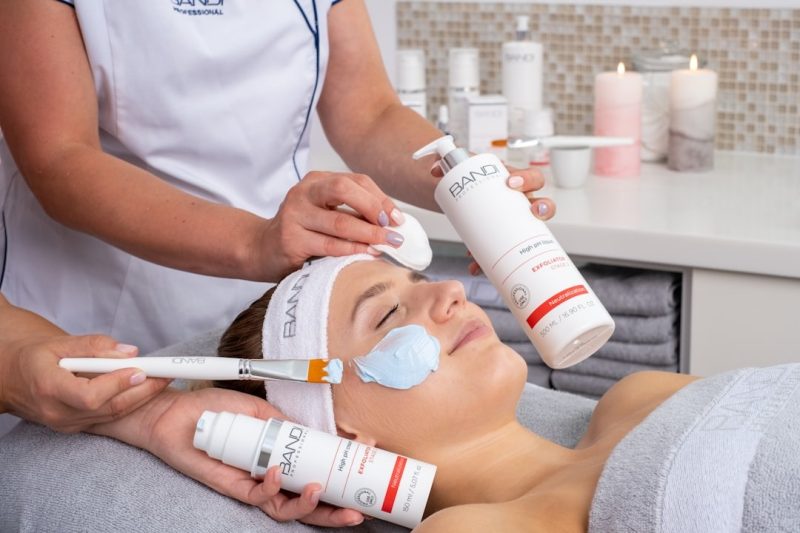
Chemical Peels: These involve applying a chemical solution to the skin to exfoliate damaged outer layers. Peels vary in strength (superficial, medium, deep) and are chosen based on the skin concern. Benefits include improving skin texture, reducing fine lines, treating acne, and evening out pigmentation.
Microneedling: Also known as collagen induction therapy, microneedling uses a device with fine needles to create controlled micro-injuries in the skin. These tiny punctures stimulate the body’s natural wound healing process, leading to increased collagen and elastin production. It’s highly effective for improving skin texture, reducing acne scars, minimizing pore appearance, and enhancing overall skin radiance.
Energy-Based Devices for Skin Tightening and Contouring
As we age, the production of collagen and elastin—two proteins vital for our skin’s plumpness, firmness, and smoothness—slows down. This leads to skin laxity and sagging. Non-invasive skin tightening treatments work by using targeted energy to heat deeper layers of the skin, stimulating new collagen and elastin production to restore a firmer, smoother appearance.
Radiofrequency (RF): RF treatments (e.g., Profound® RF, Exilis®, Morpheus8®, Renuvion, Thermage®) use electrical energy to generate heat in the skin’s dermal layers. This controlled heating causes existing collagen fibers to contract and stimulates the production of new collagen and elastin, leading to tighter, smoother skin. RF microneedling, a newer technology, combines microneedling with RF energy to deliver heat more deeply and precisely, enhancing collagen stimulation and treating deeper layers of the skin. Studies, such as those found on NCBI and PubMed, highlight the effectiveness of these methods.
Ultrasound Therapy: Focused ultrasound energy (e.g., Ultherapy®) penetrates deep into the skin to heat specific tissue layers without affecting the surface. This thermal energy triggers the body’s natural healing response, initiating the production of fresh, new collagen and elastin. It’s particularly effective for lifting and tightening lax skin on the brow, chin, neck, and chest, offering a non-surgical alternative for those with mild to moderate skin laxity. As the Cleveland Clinic explains, ultrasound skin tightening can heat skin up to 5mm deep to induce collagen production.
Body Contouring: Beyond facial treatments, non-invasive technologies also offer solutions for body contouring. These procedures aim to reduce small areas of fat, improve muscle tone, and diminish the appearance of cellulite without surgery. Technologies include:
- Cryolipolysis (Fat Freezing): Uses controlled cooling to freeze and destroy fat cells (e.g., CoolSculpting®).
- Heat-based devices: Similar to facial RF and ultrasound, these can be adapted for larger body areas to reduce fat and tighten skin.
- Light-based energy: Devices combining intense pulsed light (IPL) with radiofrequency (RF), such as Venus Versa® and VelaShape®, heat deeper layers of skin to trigger collagen production and improve skin texture. Interestingly, IPL treatment has seen a significant rise in popularity, replacing traditional laser skin resurfacing in the top 5 cosmetic minimally invasive procedures, with over 827,000 IPL procedures performed in 2020.
- Muscle Stimulation: Devices that use magnetic fields to induce muscle contractions, strengthening and toning muscles.
The FDA provides comprehensive information on non-invasive body contouring technologies, detailing their mechanisms, risks, and regulatory status.

Key Benefits and Realistic Expectations
Choosing a non-invasive path offers numerous advantages, but it’s equally important to have a clear understanding of the limitations to ensure your expectations align with the potential outcomes. These treatments are not a one-size-fits-all solution, and their suitability depends heavily on individual concerns and desired results.
The Advantages of Non-Surgical Approaches
The appeal of non-invasive cosmetic treatments stems from several key benefits that make them an attractive alternative to traditional surgery:
- Minimal Downtime: Perhaps the most significant advantage is the ability to return to daily activities almost immediately. Unlike surgical procedures that require weeks of recovery, most non-invasive treatments involve little to no downtime, allowing individuals to resume work and social engagements quickly.
- Lower Risk Profile: Without incisions, general anesthesia, or extensive tissue manipulation, the risks associated with non-invasive treatments are significantly lower than those of surgery. Complications like infection, severe scarring, or adverse reactions to anesthesia are rare.
- No General Anesthesia: Most procedures are performed with topical numbing creams or local anesthesia, avoiding the risks and side effects associated with general anesthesia.
- Gradual and Natural Appearance: Many non-invasive treatments deliver results that appear gradually over time, leading to a more natural and subtle improvement rather than an abrupt change. This allows for a discreet rejuvenation that often goes unnoticed as a “procedure” but rather as a refreshed look.
- Reduced Cost: While multiple sessions may be required, the overall cost of non-invasive treatments is typically less than surgical options, making aesthetic improvements more accessible.
- Flexibility and Customization: The wide array of non-invasive options allows for highly personalized treatment plans that can be adjusted and combined to target specific concerns effectively.
Understanding the Limitations
Despite their many benefits, it’s crucial to approach non-invasive treatments with realistic expectations:
- Temporary Results: The majority of non-invasive treatments provide temporary results. Injectables like Botox last a few months, and fillers can last from six months to two years, depending on the type. Skin tightening and resurfacing results also require maintenance sessions to prolong their effects as the natural aging process continues.
- Not for Severe Laxity: Non-invasive procedures are best suited for individuals with mild to moderate skin laxity or early signs of aging. They cannot achieve the dramatic lifting or excess skin removal that a surgical facelift or body lift can. For very deep wrinkles, extremely loose skin, or severe scarring, surgical options may be more appropriate.
- Multiple Treatments Needed: Optimal results often require a series of treatments rather than a single session. For example, a course of several laser or RF microneedling sessions might be recommended, followed by periodic maintenance.
- Subtle Changes: While effective, the changes achieved through non-invasive methods are generally more subtle compared to surgical outcomes. Patients seeking significant changes might find non-invasive options insufficient.
- Patient Candidacy: Not everyone is a suitable candidate for every non-invasive treatment. Factors like skin type, medical history, certain medications, and specific skin conditions (e.g., active acne, cold sores, eczema) can influence eligibility and potential risks. A thorough consultation is essential to determine the most appropriate and safest treatment plan.
Navigating Your Options and Ensuring Safety
The key to a successful outcome lies in selecting the right procedure for your specific goals and, most importantly, choosing a highly qualified provider to perform it. With the proliferation of aesthetic clinics, making an informed choice is more critical than ever.
How to Choose the Right Non-Invasive Cosmetic Treatments
Deciding on the best non-invasive treatment for your concerns requires careful consideration and professional guidance.
- Professional Consultation: This is the most crucial step. A consultation with an experienced aesthetic professional or board-certified surgeon allows for a thorough assessment of your skin, facial anatomy, and overall health. They can discuss your concerns, explain the available options, and recommend a custom treatment plan.
- Skin Concern Assessment: Clearly identify what you want to improve. Are you bothered by fine lines, volume loss, uneven skin tone, or mild sagging? Different treatments target different issues.
- Goal Setting: Be realistic about your desired outcomes. Non-invasive treatments offer improvement, not perfection. Discussing your goals openly with your provider will help align expectations.
- Treatment Plan Customization: A good provider will create a personalized plan that may involve a single treatment or a combination of modalities for optimal results. They should explain the rationale behind their recommendations.
- Budget Considerations: Understand the cost of the initial treatment series and any necessary maintenance sessions. While non-invasive treatments are generally less expensive than surgery, ongoing costs can add up.
- Understanding the Technology: Ask your provider to explain how the chosen technology works, what to expect during and after the procedure, and any potential side effects. The NHS offers valuable advice about cosmetic procedures generally, emphasizing informed decision-making.
The Critical Role of a Qualified Provider
The effectiveness and safety of non-invasive cosmetic procedures depend almost entirely on the skill and expertise of the person performing them.
- Board Certification: Always seek out a provider who is board-certified in a relevant specialty, such as facial plastic surgery, dermatology, or plastic surgery. This ensures they have undergone rigorous training, passed stringent examinations, and maintain high standards of practice. The American Board of Cosmetic Surgery, for instance, provides resources to find a cosmetic surgeon near you.
- Anatomy Knowledge: An in-depth understanding of facial and body anatomy is paramount, especially for injectables and energy-based devices. Incorrect placement or application can lead to undesirable results or complications.
- Safety Protocols: A qualified provider adheres to strict safety protocols, including proper sterilization, managing potential adverse reactions, and having emergency procedures in place.
- Injection Technique: For injectables, precise injection technique is crucial for achieving natural-looking results and minimizing risks like bruising or asymmetry.
- Aesthetic Eye: Beyond technical skill, an experienced provider possesses an artistic eye, understanding facial proportions and how to improve features harmoniously. This is particularly important for achieving results that look refreshed, not “done.”
- Risk Mitigation: A skilled provider will thoroughly assess your medical history and discuss potential risks and contraindications specific to you, ensuring the chosen treatment is safe.
- Managing Complications: Even in the hands of an expert, complications can sometimes arise. A qualified provider is trained to recognize and effectively manage these situations. This commitment to patient well-being and custom treatment plans is a hallmark of personalized non-invasive care, ensuring every patient receives attention suited to their unique needs.
The Future of Aesthetic Medicine: Trends and Innovations

The world of non-invasive aesthetics is constantly evolving, with new technologies and treatment philosophies emerging that promise even better, safer, and more personalized results. The rapid growth in minimally-invasive facial cosmetic procedures underscores a dynamic industry driven by innovation.
Emerging Trends in Non-Invasive Cosmetic Treatments
- Combination Therapies (The Hybrid Approach): Increasingly, providers are moving away from single-treatment approaches towards combining different modalities for synergistic effects. For example, a patient might receive neurotoxins for dynamic wrinkles, fillers for volume loss, and a laser treatment for skin texture and pigmentation. This “hybrid approach” allows for comprehensive rejuvenation that addresses multiple signs of aging simultaneously, often achieving results closer to surgical outcomes without the invasiveness.
- Preventative Treatments (“Prejuvenation”): A growing trend, especially among younger demographics, is to start non-invasive treatments earlier to prevent signs of aging before they become prominent. This might involve small doses of neurotoxins to prevent deep lines or regular skin resurfacing to maintain collagen production.
- Biostimulatory Fillers and Injectables: Beyond traditional hyaluronic acid fillers, there’s a rise in injectables that actively stimulate the body’s own collagen production for longer-lasting and more natural results. PLLA (Sculptra) and CaHA (Radiesse) are examples, and new biostimulatory agents are continually being developed.
- Advanced RF Microneedling: Technologies like Morpheus8® and AcceptRF® are pushing the boundaries of RF microneedling. These devices offer deeper penetration and more precise energy delivery, leading to more significant skin tightening, textural improvement, and even subdermal fat remodeling. Research published in the Journal of Cosmetic Dermatology highlights the dermatologic facial applications of fractional radiofrequency microneedling, showcasing its efficacy.
- Personalized and AI-Driven Aesthetics: The future will likely see more personalized treatment plans developed with the aid of artificial intelligence, analyzing individual skin characteristics and predicting optimal outcomes. This will lead to even more precise and effective treatments.
- Full-Body Wellness Integration: Aesthetic treatments are increasingly being viewed as part of a holistic wellness approach, integrating with nutrition, exercise, and mental health for overall well-being and anti-aging.
These advancements are making non-invasive treatments more effective, versatile, and accessible, continually reshaping how we approach aesthetic improvement.
Frequently Asked Questions about Non-Invasive Cosmetic Treatments
As non-invasive cosmetic treatments become more mainstream, many common questions arise. Here, we address some of the most frequent inquiries to provide further clarity.
Are non-invasive treatments painful?
Most non-invasive procedures involve minimal to no pain. Patients often describe sensations like a warm feeling, a light snapping, or a mild prickling. For treatments like microneedling or certain laser therapies, topical numbing creams are frequently used to ensure comfort. While some procedures might cause temporary discomfort during the treatment itself, it is generally well-tolerated, and any post-treatment soreness or sensitivity is typically mild and short-lived.
How long do the results of non-invasive treatments last?
The longevity of results varies significantly by procedure and individual factors such as metabolism, lifestyle, and the natural aging process.
- Neurotoxin effects typically last 3-4 months.
- Hyaluronic acid fillers can last from 6 months to 2 years, depending on the specific product and treatment area.
- Collagen-stimulating fillers like PLLA can show results for up to two years.
- Skin resurfacing and tightening results can last for a year or more, but maintenance treatments are usually recommended to preserve the outcome. These treatments slow down, but do not stop, the natural aging process.
Who is a good candidate for these cosmetic treatments?
Ideal candidates are individuals in good overall health with mild to moderate aesthetic concerns, such as fine lines, minor skin laxity, textural irregularities, or unwanted small fat deposits. It is crucial for candidates to have realistic expectations and understand that these procedures offer improvement, not perfection. They are not a substitute for surgical intervention in cases of significant aging, severe skin sagging, or substantial fat reduction needs. Candidates should also be free of certain medical conditions or medications that could interfere with the safety or efficacy of the treatment, which will be thoroughly reviewed during a professional consultation.
Conclusion
Non-invasive cosmetic treatments have revolutionized the aesthetics industry, offering a powerful toolkit for anyone seeking to improve their appearance with minimal risk and disruption to their daily life. From smoothing wrinkles with injectables to tightening skin with advanced energy devices, the options are more effective and accessible than ever. The significant investment in cosmetic procedures, totaling $16.7 billion in the U.S. in 2020, underscores the public’s confidence and interest in these innovative solutions.
These cosmetic treatments provide a compelling alternative to surgery, delivering natural-looking results with the convenience of little to no downtime. However, their success hinges on informed decision-making and, most importantly, the expertise of the provider. By prioritizing a thorough consultation with a qualified, board-certified professional, you can safely steer the diverse landscape of non-invasive procedures and achieve confidence-boosting results that align with your aesthetic goals. The future of aesthetics promises even more exciting advancements, making it an changing field dedicated to helping us look and feel our best.