

Healthy Living at Home: Expert Tips for Aging in Place

Table of Contents
- Introduction to senior living
- Assess Your Home
- Implement Home Modifications
- Stay Physically Active
- Maintain a Healthy Diet
- Foster Social Connections
- Leverage Technology
- Plan Your Finances
- Seek Professional Assistance
Aging gracefully in familiar surroundings is a cherished goal for many. As more adults seek to continue their routines and traditions at home, mounting research highlights both the benefits and the challenges of “aging in place.” By planning ahead and making thoughtful adjustments, older adults can safeguard their independence and comfort. One option for additional support is LifeWorx, which offers professional services to help create safe and enriching home environments for seniors without compromising their autonomy.
Prioritizing healthy living at home means not only addressing safety, but also promoting well-being through nutrition, social connection, and activity, each a vital piece in the independence puzzle. Whether you’re organizing your own home or supporting a loved one, practical guidance can help navigate the process. This article gathers expert advice to help you build a thoughtful, comprehensive approach to aging in place and enjoying every stage of life with confidence.
Assess Your Home
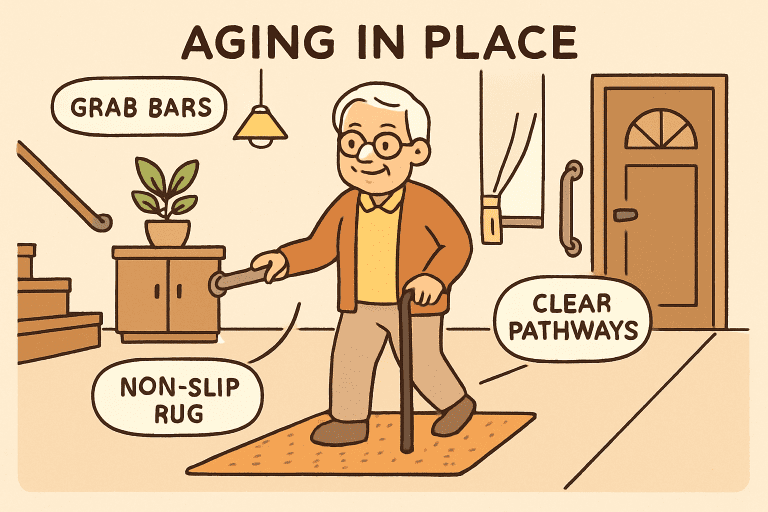
The journey to safer independent living starts with a careful look at your immediate surroundings. A home that once felt perfectly comfortable may present new challenges as mobility or vision changes with age. Walk through each room and look for safety hazards such as slippery rugs, uneven steps, or dim hallways. Don’t forget to review outdoor walkways and entranceways, as these are often a source of falls or accidents. The Centers for Disease Control and Prevention (CDC) provides an excellent fall-prevention checklist for older adults to identify and address common risks.
Beyond immediate safety, consider how your home’s layout supports your daily routines. Items used most frequently should be placed within easy reach to avoid the need to stretch or climb. Large pieces of furniture should not obstruct pathways, and everything from telephones to emergency numbers should be accessible in key living areas.
Implement Home Modifications
Simple renovations and affordable modifications can transform your living space into an age-friendly environment. Installing sturdy grab bars next to toilets and showers stabilizes common slip-prone areas. Non-slip mats, both in the bathroom and other tile-floored rooms, are essential to minimize the chances of falling. Improved lighting not only helps prevent accidents but also enhances the sense of security and comfort. Consider brighter bulbs, motion-sensor lights for hallways, and nightlights in bedrooms and bathrooms.
- Switch out round door knobs for lever handles that are easier for arthritic hands.
- Widen doorways or install ramps for wheelchair or walker accessibility.
- Add handrails on both sides of staircases.
These thoughtful upgrades can make a tremendous difference, often allowing individuals to stay in their homes longer and with greater confidence. Consult a licensed contractor or occupational therapist to tailor modifications to specific needs.
Stay Physically Active
Maintaining physical activity is key to longevity and quality of life. Regular exercise enhances muscle strength, balance, and flexibility, which can all reduce the risk of falls. Opt for low-impact activities such as walking, gentle stretching, or yoga. Local community centers often offer senior-specific fitness classes that provide both exercise and social engagement.
Even with limited mobility, chair-based workouts can still deliver significant health benefits. Consult your healthcare provider before starting new exercise routines, especially if you are managing chronic health conditions. The National Institute on Aging recommends activities tailored for seniors that boost energy and independence.
Maintain a Healthy Diet
Nutrition plays a crucial role in aging well. A diet built around fresh fruits, vegetables, whole grains, and lean proteins supports immune health, maintains energy levels, and reduces the risk of chronic conditions. Consider planning meals in advance and stocking up on healthy snacks to resist less nutritious options.
Hydration is especially important for older adults, as the sense of thirst may diminish with age. Aim for regular, small meals and plenty of water throughout the day, and review dietary plans with a doctor or registered dietitian when managing specific health issues or medications.
Foster Social Connections
Emotional and mental health are just as significant as physical health. Seniors who engage with their communities or maintain regular social interactions report higher levels of happiness and satisfaction. Join hobby groups, volunteer, or reconnect with family and friends by phone or through online video chats to stave off loneliness and isolation.
Check local libraries, senior centers, or religious organizations for activity schedules that match your interests. Staying socially active enhances emotional resilience, reduces the risk of depression, and promotes overall well-being.
Leverage Technology
Adopting new technology can support independence and safety at home. Smart home devices let you control lighting, adjust thermostats, and lock doors with voice commands or smartphone apps. Medical alert systems can connect you to emergency responders with the press of a button, while health monitoring tools keep track of important vital signs between doctor visits.
There are also pill reminders, fall detection sensors, and virtual assistant devices that can help keep you organized and secure. Don’t hesitate to ask a family member or professional for help setting up these tools.
Plan Your Finances
Managing the financial side of aging in place ensures that your needs are met comfortably. Develop a budget that factors in healthcare, groceries, home modifications, assistive devices, and potential in-home care costs. Consult with a certified financial advisor, who can help you explore options for health savings accounts, insurance, or government assistance programs designed for seniors. Planning ahead protects your independence and peace of mind.
Seek Professional Assistance
Sometimes the best step is to engage experts who specialize in helping older adults remain at home. Occupational therapists can assess your living space and recommend advanced solutions tailored to your needs. Home care services are available for everything from daily chore assistance to nursing care, allowing you to maintain independence and dignity. Support networks like social workers, geriatric care managers, and reliable service providers are valuable allies on this journey.
Taking a comprehensive, proactive approach ensures a safe and nurturing environment for enjoying life at home, on your own terms, while aging with confidence and grace.