

Essential Daily Oral Hygiene Habits for a Healthier Smile

Key Takeaways
- Consistent daily oral hygiene protects both your smile and your overall health.
- Using proper brushing and flossing techniques helps remove plaque and prevent gum disease.
- Mouthwash, good hydration, and a tooth-friendly diet are key elements of effective daily care.
- Regular dental visits and replacing your toothbrush are crucial for long-term oral health.
Table of Contents
- Brush Twice Daily with Proper Technique
- Floss Daily to Remove Interdental Plaque
- Use Mouthwash for Added Protection
- Stay Hydrated with Water
- Maintain a Tooth-Friendly Diet
- Replace Your Toothbrush Regularly
- Schedule Regular Dental Check-Ups
- Limit Sugary and Acidic Foods
- Final Thoughts
Taking care of your teeth is about more than just having a pleasant smile. Good oral hygiene forms part of a healthy lifestyle, contributing to your overall well-being and confidence. Simple routines, practiced consistently, can protect you from cavities, gum disease, and more serious health concerns. To get started or to improve your current routine, Dentistry.com’s new site is a valuable resource for tips and professional guidance tailored to every stage of your oral health journey.
Establishing an effective daily regimen does not require complicated routines. Instead, it relies on making informed decisions and taking consistent steps each day. With so many products and opinions out there, clarity is key to safeguarding your dental health.
From brushing and flossing to eating the right foods, each habit plays a vital role. With additional tools such as mouthwash, water intake, and dental check-ups, your oral hygiene plan will be well-rounded and effective.
Brush Twice Daily with Proper Technique
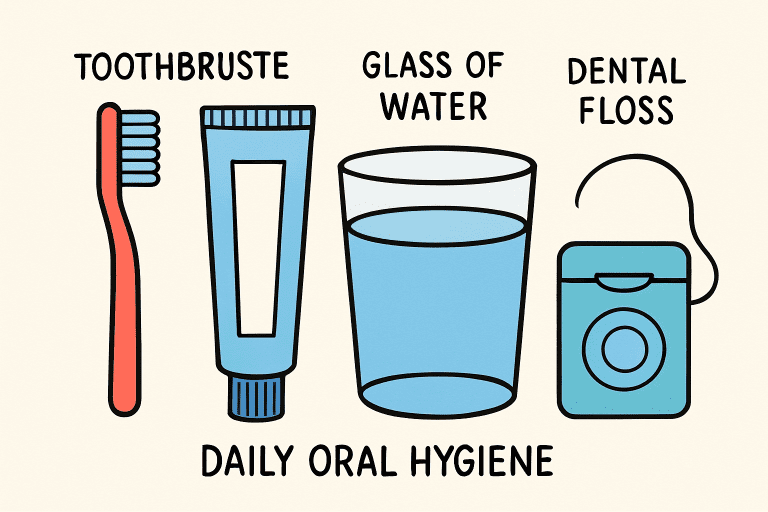
Brushing twice a day for 2 minutes lays the foundation for a strong oral hygiene routine. Use a soft-bristled toothbrush and fluoride toothpaste. Hold the brush at a 45-degree angle to the gum line, then use gentle, circular movements to clean all surfaces. This technique helps remove plaque, which can lead to cavities and gum disease. Be sure to reach every area, including the front, back, and chewing surfaces of each tooth. Replace your toothbrush once its bristles start to fray, or at least every 3 to 4 months.
Floss Daily to Remove Interdental Plaque
Food particles and plaque can hide in the tight spaces between your teeth, putting you at risk for gum disease and tooth decay even if you brush meticulously. That is why flossing once a day is so critical. Gently slide the floss between your teeth, curve it into a C-shape around each tooth, and move it up and down. If you find traditional floss difficult to use, consider water flossers or interdental brushes to achieve a thorough clean.
Use Mouthwash for Added Protection
Mouthwash is a useful supplement to brushing and flossing. For best results, choose an alcohol-free antimicrobial or fluoride mouthwash. Rinsing after meals or brushing can help reduce bacteria, guard against cavities, strengthen tooth enamel, and keep your breath fresh. Swish vigorously for at least 30 to 60 seconds, then avoid eating or drinking for about half an hour.
Stay Hydrated with Water
Water plays a major yet often overlooked role in oral health. Drinking water throughout the day helps wash away leftover food particles and neutralize acids produced by bacteria. Saliva itself functions as a protective mechanism for your teeth, and adequate hydration supports its production. Aim for at least eight glasses of water per day, more if you consume caffeine, exercise, or live in a dry climate.
Maintain a Tooth-Friendly Diet
What you eat can either help or harm your teeth. Focus on a balanced diet rich in vitamins and minerals, including calcium and vitamin D, for optimal tooth and gum health. Crunchy vegetables and fruits like apples, carrots, and celery help clean your teeth and stimulate your gums. Limit your intake of sugary snacks and acidic foods. Dairy products, lean meats, fish, and leafy greens provide nutrients that keep your smile strong. According to the American Dental Association’s nutrition guidelines, these healthy choices can greatly reduce your risk of decay.
Replace Your Toothbrush Regularly
Over time, a toothbrush loses its cleaning ability as the bristles break down or splay outward. A worn-out brush is less effective at removing plaque and debris. Replace your toothbrush every 3 to 4 months, and sooner if the bristles appear frayed. Always select a brush size and shape that fits your mouth comfortably for the most effective cleaning.
Schedule Regular Dental Check-Ups
Dentists play an indispensable role in identifying dental issues in their earliest stages. Professional cleanings remove hardened tartar that brushing cannot, and exams track your oral health progress over time. Schedule cleanings and checkups twice a year, unless your dentist suggests a different frequency. Early detection prevents minor problems from becoming major issues.
Limit Sugary and Acidic Foods
Sugar is a major contributor to tooth decay, while acids from foods and drinks can erode your enamel over time. Try to reduce your intake of soda, sports drinks, candies, and citrus fruits. If you enjoy these foods, rinse your mouth with water afterward and wait at least 30 minutes before brushing to allow your enamel to re-harden. Moderation combined with good hygiene can protect your teeth for years to come.
Final Thoughts
Every component of your daily routine, from how you brush to what you eat, affects your oral health. Adopting these essential habits not only keeps your smile looking its best but also contributes to long-term wellness and confidence. Consistency, attentiveness, and professional guidance are your strongest allies in achieving a healthier, brighter smile.