

Reducing Your Carbon Footprint With Modern Heat Pump Technology

Key Takeaways
- Heat pumps offer highly energy-efficient heating and cooling for residences and businesses.
- Switching to heat pumps is a practical step to substantially lower carbon emissions.
- Generous financial incentives can help offset initial costs for homeowners and businesses.
Understanding Heat Pump Technology
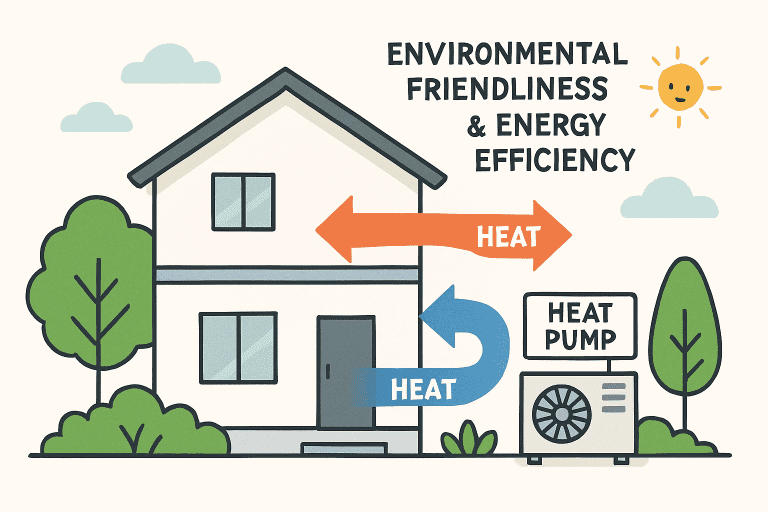
As efforts to combat climate change intensify, more families and businesses are actively searching for solutions that make a meaningful impact. Energy-efficient home systems, like modern heat pumps, are at the forefront of this shift. By using a refrigeration cycle to move heat rather than generate it, contemporary heat pumps operate more efficiently than traditional furnaces or air conditioners. This innovative approach not only results in lower energy bills but also dramatically reduces greenhouse gas emissions. For those considering green upgrades, heat pump installations in Toronto are gaining popularity as an effective choice for both new builds and retrofits.
Unlike combustion-based systems, heat pumps capture heat from the air, ground, or even water sources outdoors during winter and transfer it indoors. In summer, the process seamlessly reverses, extracting warmth from your interior and releasing it outside, providing year-round comfort with minimal environmental impact. Their growing adoption signals major progress toward decarbonizing the built environment.
Environmental Benefits of Heat Pumps
Replacing conventional fossil-fuel-based HVAC systems with heat pumps results in substantial reductions in emissions. According to a National Renewable Energy Laboratory study, residential heat pump use can cut annual carbon emissions by 36–64%. For an average household, this means eliminating as much as 4.4 metric tons of CO₂ each year, an impact comparable to taking a gasoline-powered car off the road. Driven by this promise, governments and large cities are setting ambitious targets to deploy heat pump systems at scale.
As more utilities transition their grids to renewables, the benefits of heat pumps compound: cleaner electricity directly translates to cleaner home heating and cooling. This makes heat pumps an increasingly vital solution as countries strive to reach their climate commitments under international agreements such as the Paris Accord.
In addition to curbing emissions, heat pumps improve indoor air quality and reduce urban air pollution by minimizing the need for on-site combustion. These health and environmental advantages help create safer, healthier communities for everyone—a win-win scenario for homeowners and policymakers alike.
Financial Incentives and Support
To accelerate adoption, substantial financial support exists for both homeowners and commercial building owners. In the United States, the Inflation Reduction Act provides a federal tax credit of up to $2,000 for qualified heat pump installations. Complementing this are state and local rebates, as well as utility-based grants aimed at further reducing upfront investment barriers.
Many jurisdictions also offer low-interest loans, special financing, and educational resources to demystify the process and reduce risk for first-time buyers.
Real-World Applications and Success Stories
Cities across the globe demonstrate the real-world feasibility and impact of widespread heat pump deployment. In the UK, Greater Manchester is executing one of Europe’s most ambitious retrofit programs, planning to install 64,000 heat pumps by 2030. This large-scale move is part of its broader strategy to become carbon neutral by 2038, with support targeting social housing as well as private homes and rental units.
In North America, pilot initiatives in both cold and mild climates are showing similar promise. Urban and rural communities alike are finding that the flexibility and effectiveness of modern heat pumps make them suitable for diverse building types and local weather conditions. Populations with aging infrastructure are particularly well positioned to benefit from these upgrades, especially when paired with renewable electricity sources.
Overcoming Challenges in Heat Pump Adoption
Despite these successes, some hurdles do remain. Chief among them are higher upfront costs and, in some cases, the need to upgrade electrical systems to support new equipment. However, ongoing advances in efficiency and control technology, such as grid-responsive and model predictive control systems, are rapidly reducing both costs and complexity. These innovations enable affordable retrofits and interoperability in homes that weren’t originally designed for heat pumps.
A growing pool of experienced installers and robust public-private partnerships is also smoothing the transition, offering consumers more options and driving down expenses through healthy market competition.
Future Outlook and Innovations
Looking ahead, the outlook for heat pump technology remains exceptionally bright. Continued investment in R&D aims to enhance system efficiencies, performance in extremely cold climates, and user-friendly smart home integration. Industry leaders and researchers are field-testing new refrigerants and predictive control systems that ensure optimal performance with minimal oversight.
These innovations are expected to drive even greater adoption, accelerating decarbonization in the residential and commercial building sectors worldwide. With ongoing support from governments, utilities, and private industry, the shift toward heat pumps will be crucial to global climate strategies and the pursuit of a net-zero future.
Conclusion
Modern heat pump systems offer a practical, scalable, and impactful solution for anyone concerned about cutting emissions and supporting environmental health. With clear benefits, accessible incentives, and next-generation innovations ready for deployment, there’s never been a better time to invest in this sustainable technology. In making the switch, homeowners and businesses can contribute meaningfully to both local climate goals and the planet’s long-term health.