
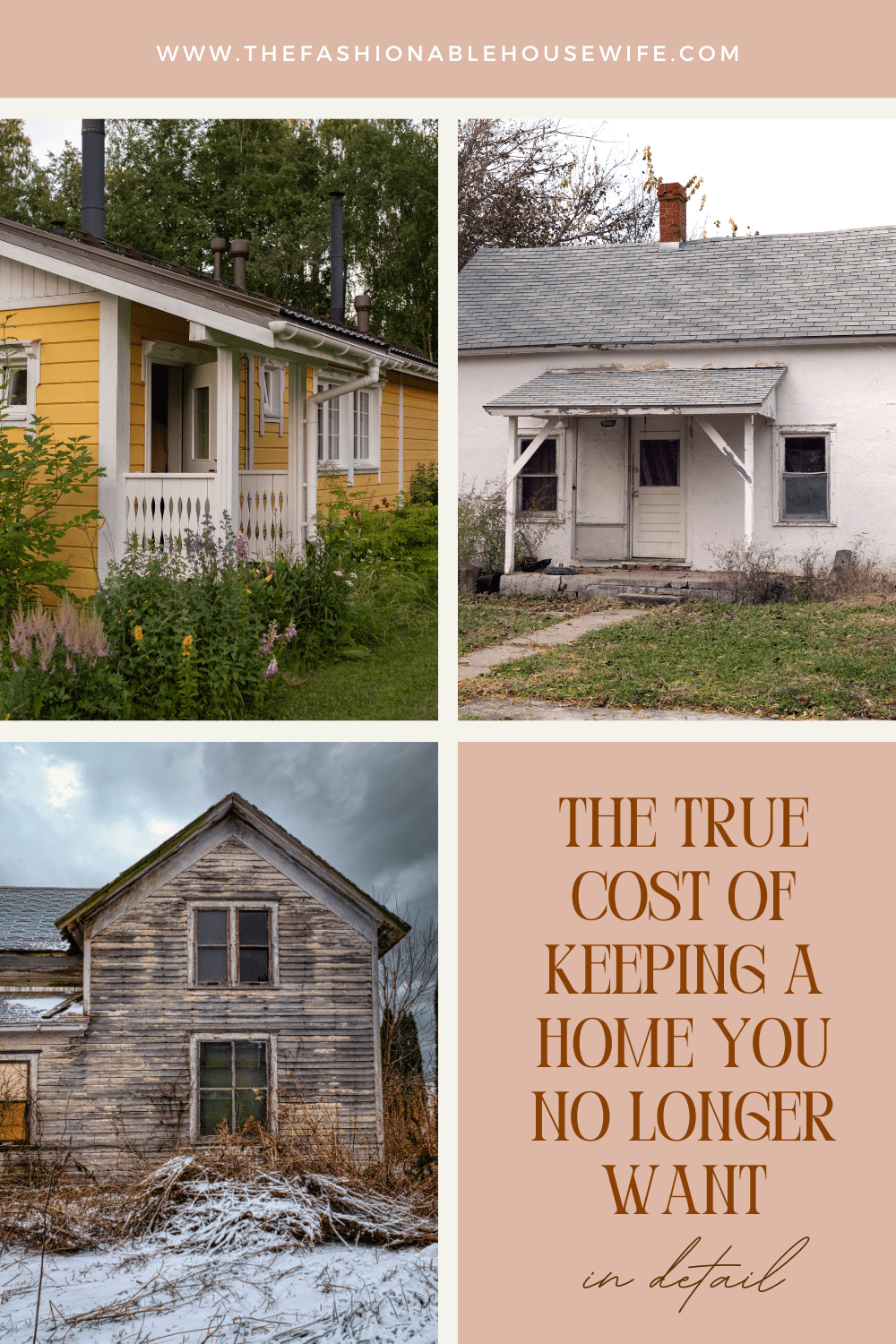
The True Cost of Keeping a Home You No Longer Want
Key Takeaways
- Retaining an unwanted home leads to ongoing visible and hidden financial costs.
- Maintenance, taxes, insurance, and market fluctuations can drain your finances.
- The emotional burden and opportunity costs are significant considerations.
- Evaluating these factors can help you make an informed decision about selling your house and moving.
Understanding the Hidden Costs of Holding an Unwanted Home
Having a property that no longer suits your needs can incur hidden costs such as property taxes, insurance, utilities, and repairs. Vacant or underused properties tend to deteriorate more quickly, raising expenses. These ongoing costs can outweigh the advantages, making it important to assess whether keeping the property aligns with your lifestyle and financial objectives.
For homeowners seeking a streamlined solution, resources like https://www.reliablecashhousebuyers.com/sell-my-house-fast-chesterfield-mo/ offer efficient ways to move forward. By exploring options for a quick sale, owners can reduce the hidden costs of lingering homeownership, freeing up both time and financial resources for other priorities. Making an informed decision helps minimize stress and ensures a smoother transition out of an unwanted property.
Property Taxes
Property taxes are a mandatory yearly expense, regardless of home occupancy. Local governments periodically reassess properties, and in growing areas, your tax bill might rise each year. Failing to make these payments can result in fees, penalties, or even foreclosure. Staying informed about your property’s assessed value and tax obligations can help you plan and avoid unexpected costs.
Maintenance and Repairs
Every property requires ongoing maintenance, encompassing tasks such as landscaping, gutter cleaning, HVAC system maintenance, and roof repairs. Neglecting these tasks can turn minor problems into costly issues; for example, a clogged gutter can lead to foundation damage and significant repair expenses. On average, homeowners spend approximately 1% of their home’s value annually on upkeep, and unexpected problems can increase this figure even further. For those who find the costs or time commitment overwhelming, resources like https://www.reliablecashhousebuyers.com/ can offer practical solutions, helping homeowners evaluate options to transition out of a property while avoiding the long-term financial strain of continuous maintenance.
Insurance Premiums
Homeowners insurance is non-negotiable. Even for vacant homes, insurance is required to guard against liabilities such as fire, vandalism, or natural disasters. In some cases, insurance rates are even higher for empty houses, as they’re deemed a greater risk. Failing to maintain coverage can leave you financially vulnerable to significant losses.
Utility Costs
An unoccupied property isn’t free from costs when it comes to utilities. Basic services, such as electricity for security systems, water for landscaping, and gas for temperature control, can become monthly expenses. Services like the internet or cable often require minimum commitments, which add to the drain.
Depreciation and Market Fluctuations
The real estate market is notoriously unpredictable. Home values can fluctuate due to local development, shifts in interest rates, or broader economic trends. If you decide to hold your property thinking it will appreciate, you risk facing a market downturn. Selling during a slump can result in a significant financial loss, negating any gains from waiting. According to the Federal Housing Finance Agency, house prices increased by only 0.1% in March 2024, a drop from the 1.2% rise in February, indicating a slowdown in house price inflation.
Opportunity Costs
Capital locked in an unwanted home is money that could be generating better returns elsewhere. Whether investing in stocks, starting a new business, or purchasing a property that aligns with your current lifestyle, holding onto a dormant asset can mean missing out on other lucrative opportunities. Evaluating what your money could be doing if it weren’t tied up in real estate is critical to making the most of your financial resources.
Emotional and Time Costs
Few homeowners account for the mental and emotional burden of maintaining a property that no longer serves their needs. Managing repairs, coordinating with tenants, or making difficult decisions about the home’s future can be draining. Left unaddressed, this ongoing stress can hurt your overall well-being.
Weighing Your Options
Holding onto an unwanted home comes with hidden costs—financial, emotional, and missed opportunities. From taxes and maintenance to market risks, these factors can outweigh the benefits of keeping the property. Considering a quick sale can free up resources, reduce stress, and allow you to focus on priorities that better align with your lifestyle and financial goals.